
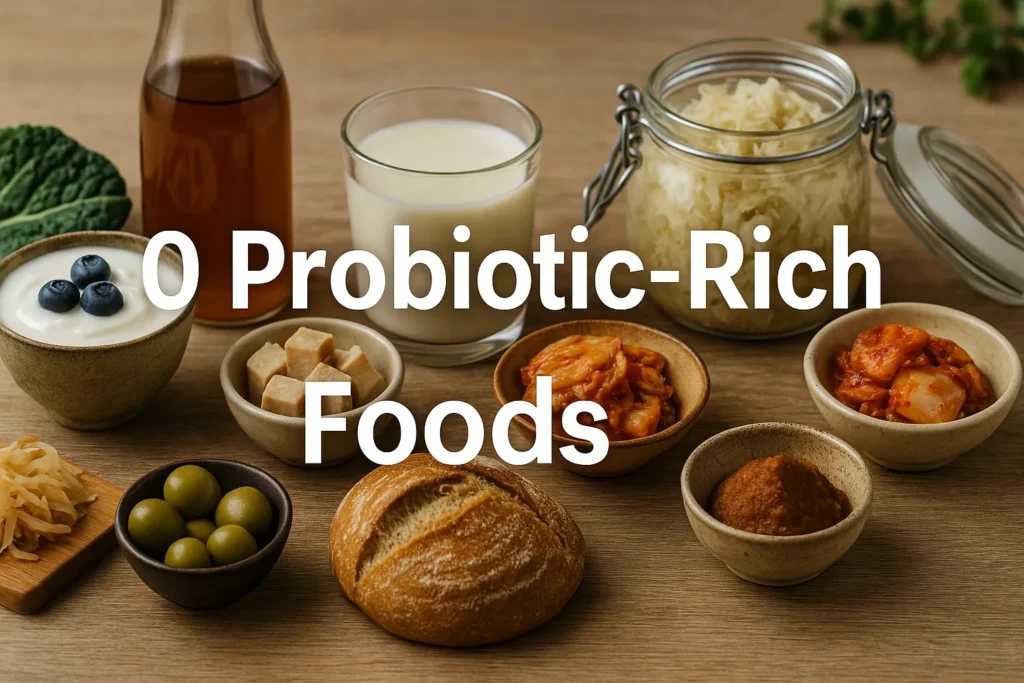
Gut health is no passing trend—it’s central to well-being. Your digestive tract is lined with trillions of bacteria that keep things moving, protect against harmful microbes, and even send signals to the brain. When the balance of this inner ecosystem tips the wrong way, problems appear: bloating, constipation, fatigue, mood swings, and more.
One of the most effective ways to restore harmony is by eating probiotic-rich foods. These contain live microorganisms that replenish the “good” bacteria in your intestines. While supplements exist, food sources deliver probiotics along with fiber, vitamins, and minerals. Let’s dive into 20 powerful foods that can transform your gut health.
1. Yogurt
Yogurt has been part of human diets for thousands of years. Created by fermenting milk with strains like Lactobacillus bulgaricus and Streptococcus thermophilus, it offers an easy, tasty probiotic boost.
- Why it’s good for you: Supports digestion, improves calcium absorption, and may reduce diarrhea after antibiotics.
- Best tip: Stick with plain yogurt. Sweetened versions add sugar, which can counteract gut benefits.
2. Kefir
Kefir is like yogurt but thinner, tangier, and often more potent. It’s fermented using “kefir grains”—a symbiotic mix of bacteria and yeasts.
- Probiotic power: Contains up to 30 strains, including yeasts not found in yogurt.
- Extra perk: Easier to digest for lactose-sensitive individuals since fermentation breaks down most of the lactose.
3. Sauerkraut
This humble German side dish is made by fermenting cabbage in brine.
- What it delivers: Probiotics plus vitamin C, vitamin K, and plenty of fiber.
- Note: Go for raw, unpasteurized versions kept in the refrigerator section. Heat-treated sauerkraut loses live cultures.
4. Kimchi
Korea’s iconic kimchi is a spiced-up cousin of sauerkraut. Napa cabbage, radish, garlic, ginger, and chili ferment into a tangy, fiery dish.
- Gut benefits: Provides probiotics, antioxidants, and bioactive compounds from garlic and ginger.
- Fun fact: Traditional kimchi fermentation takes weeks, allowing complex flavors and microbes to develop.
5. Miso
Miso is a Japanese paste made by fermenting soybeans (sometimes with barley or rice) using a mold called Aspergillus oryzae.
- Why it matters: Adds beneficial bacteria, umami flavor, and minerals like manganese and copper.
- How to use: Add a spoonful to soups or dressings, but don’t boil it—heat kills the probiotics.
6. Tempeh
This Indonesian staple transforms soybeans into a firm, nutty cake through fermentation.
- Probiotic edge: Packed with bacteria plus plant-based protein.
- Nutritional bonus: Fermentation reduces antinutrients in soy, making minerals more bioavailable.
7. Pickles (Fermented, Not Vinegar)
Not all pickles are created equal. Naturally fermented cucumbers in saltwater brine host probiotics, unlike vinegar-pickled ones.
- Why they’re helpful: Add beneficial bacteria while staying low in calories.
- Best tip: Look for “fermented” or “raw” on labels—those in shelf-stable jars usually lack live cultures.
8. Kombucha
This fizzy, slightly sour tea is made by fermenting black or green tea with a SCOBY (symbiotic culture of bacteria and yeast).
- What it brings: Probiotics, antioxidants, and a refreshing alternative to soda.
- Caution: Some commercial brands are loaded with sugar—choose carefully.
9. Buttermilk (Traditional)
Traditional buttermilk is the tangy liquid left after churning butter from cultured cream.
- Why it works: Contains lactic acid bacteria that aid digestion.
- Note: Modern “cultured buttermilk” may not contain probiotics, so check the label.
10. Natto
A Japanese favorite, natto is fermented soybeans with a sticky texture and strong flavor.
- Unique feature: Contains Bacillus subtilis, a probiotic linked to immune health.
- Nutritional edge: Exceptionally rich in vitamin K2, important for bone and heart health.
11. Lassi
This traditional Indian yogurt-based drink is made by blending yogurt with water, salt, or fruit.
- Gut boost: Provides live cultures in a refreshing, hydrating form.
- Cultural note: Savory lassi is used as a cooling digestive aid after spicy meals.
12. Kvass
Originating in Eastern Europe, kvass is a fermented beverage traditionally made from rye bread.
- Microbial content: Contains lactic acid bacteria and yeasts.
- Modern twist: Fruit- or beet-based kvass adds antioxidants along with probiotics.
13. Cottage Cheese (Cultured)
Not all cottage cheese has probiotics, but some brands add live cultures back after processing.
- Why include it: High in protein and calcium, with the bonus of gut-friendly bacteria if labeled “live cultures added.”
14. Apple Cider Vinegar (Raw, Unfiltered)
Raw apple cider vinegar contains the “mother”—a cloudy mix of proteins, enzymes, and friendly bacteria.
- Gut help: May support digestion and acid balance.
- How to use: Add a splash to salad dressings or dilute in water before meals.
15. Sourdough Bread
Made using natural fermentation of wild yeasts and lactic acid bacteria, sourdough is easier to digest than regular bread.
- Gut-friendly trait: Contains some probiotics while also lowering gluten content.
- Note: The baking process reduces live bacteria, but the prebiotic effects remain.
16. Fermented Cheeses
Certain aged cheeses like Gouda, cheddar, mozzarella, and Parmesan still contain live cultures.
- Bonus: These cheeses deliver calcium and protein alongside probiotics.
- Pro tip: Look for “raw milk” or “aged with live cultures” on labels.
17. Idli and Dosa (Fermented Rice & Lentils)
Popular in South India, idli and dosa batters are naturally fermented overnight.
- Gut-friendly edge: The fermentation introduces beneficial bacteria and makes proteins more digestible.
- Cultural richness: They’re staples in many traditional breakfast plates.
18. Fermented Soy Sauce
Authentic, naturally brewed soy sauce undergoes months of fermentation, producing umami depth and probiotics.
- Caveat: Many commercial versions are chemically processed and lack live cultures.
19. Beet Kvass
Distinct from bread kvass, beet kvass is made by fermenting beets in brine.
- What it delivers: Probiotics plus nitrates, which support circulation and blood pressure.
- Flavor: Earthy, salty, slightly sour.
20. Fermented Olives
Yes, your favorite olives can be probiotic-rich if traditionally cured in brine.
- Perks: Deliver probiotics, healthy fats, and antioxidants like polyphenols.
- Best choice: Unpasteurized, brined varieties from specialty markets.
How to Include Probiotic Foods in Your Routine
You don’t need to eat all 20. Instead, choose a mix from different categories:
- Dairy-based: Yogurt, kefir, lassi.
- Vegetable-based: Sauerkraut, kimchi, pickles, olives.
- Soy-based: Miso, tempeh, natto, soy sauce.
- Beverages: Kombucha, kvass, buttermilk.
Pair them with fiber-rich foods (prebiotics) like garlic, onions, oats, and apples. This creates the perfect environment for probiotics to flourish.
Final Thoughts
Probiotic foods do more than ease digestion—they strengthen immunity, support nutrient absorption, and influence mood. From tangy kimchi to creamy yogurt, fizzy kombucha to earthy beet kvass, there’s a wide variety to suit different palates.
Adding a few of these 20 probiotic-rich foods to your meals every week can reshape your gut health. Think of them as small, tasty investments in long-term wellness.