

Medically reviewed by Dr. A.S.M. Masum Billah, MBBS
We only recommend products we love and that we think you will, too. We may receive a portion of sales from products purchased from this article.

Your gut has one bad day, and your whole day follows. Bloating by 3 p.m. Gas that shows up uninvited.
Lactobacillus plantarum is one of the friendliest fixes on the probiotic shelf. It survives stomach acid, grips your gut lining, and helps keep the peace down there.
But the shelf is loud. One bottle shouts 100 billion, another mumbles 3 billion, a third is a powder with tiny spoons.
I’m a physician, and I read the labels most people scroll past. These are the 10 Best Lactobacillus Plantarum Supplements I’d actually point a patient toward — ranked by who they fit, not who ran the flashiest ad.
What It Does & What to Look For
Lactobacillus plantarum is not one magic ingredient. It is a probiotic species with many different strains, and the strain name matters more than the front-label CFU number. The NIH Office of Dietary Supplements explains that probiotic effects can be strain-specific, which is why a named strain like 299v earns more trust than a vague “L. plantarum blend.”
In practical terms, this species is usually chosen for digestive comfort, occasional bloating, bowel-pattern support, gut-barrier resilience, and microbiome balance. Some strains are also positioned for the gut-brain axis or immune signaling, but that does not mean every bottle will do every job.
My rule as a physician-reviewer is simple: match the strain to the goal, check dose and delivery, then look for obvious buying risks such as allergens, refrigeration requirements, vague labeling, or an overbuilt CFU claim that costs more without adding much value.
Evidence snapshot: what the research actually supports
The strongest digestive story in this list belongs to L. plantarum 299v. A placebo-controlled clinical trial found that L. plantarum 299v helped relieve IBS symptoms, especially abdominal pain and bloating, over a 4-week period. That does not turn it into an IBS treatment, but it does make 299v a more evidence-aligned choice for readers buying mainly for gut comfort.
The broader probiotic evidence is also nuanced. NCCIH’s probiotic overview notes that probiotics may be helpful for some conditions, but effects vary by organism, dose, and person. A newer strain-specific review of Lactiplantibacillus plantarum also reinforces the same point: the clinical promise is real, but the “right” strain depends on the target outcome.
So the honest takeaway is this: choose 299v for the best gut-comfort evidence, OM for a protein-digestion angle, PS128 for gut-brain interest, HK L-137 if you specifically want a postbiotic immune-support product, and generic plantarum only when price and basic digestive support matter most.
How I judged these products
Named strains beat generic labels because they connect the product to actual human data.
More CFU is not automatically better. I favored doses that make sense for the stated use case.
Delayed-release capsules, refrigeration, powder control, or postbiotic stability all matter.
A product is only “best” when it fits the reader’s goal, budget, tolerance, and lifestyle.
Who should consider L. plantarum?
It makes the most sense for adults who want targeted probiotic support for occasional bloating, gas, irregularity, gut sensitivity after diet changes, or a simpler alternative to huge multi-strain blends. It can also make sense if you already know multi-strain formulas make you feel too gassy and you want to test one organism at a time.
Who should avoid or be cautious?
Do not use probiotics casually without medical advice if you are immunocompromised, critically ill, have a central venous catheter, are pregnant, are buying for a child, or have red-flag symptoms such as blood in the stool, unexplained weight loss, persistent fever, severe abdominal pain, or new bowel changes after age 50.
How to choose the best one
- For IBS-type bloating: start with a 299v product such as Metagenics or Jarrow.
- For budget: Swanson is the cleanest low-cost entry point.
- For protein-heavy diets: BiOptimizers has the most specific positioning.
- For sensitive users: a powder like Foods For Gut lets you start tiny and titrate slowly.
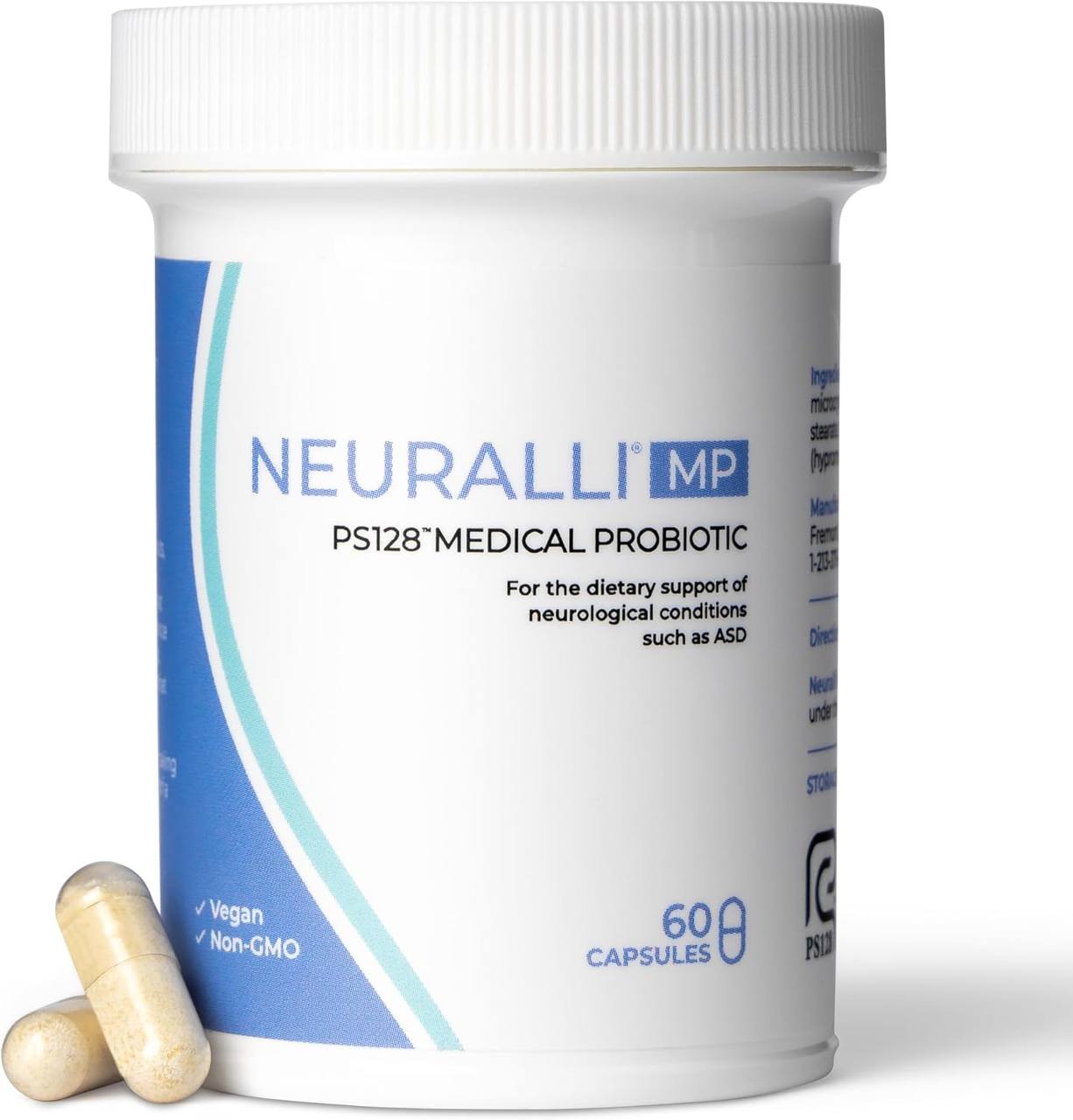
- For mood/gut-brain interest: Bened Life Neuralli MP is the specialized pick, but it is not a substitute for mental-health care.
Quick Picks
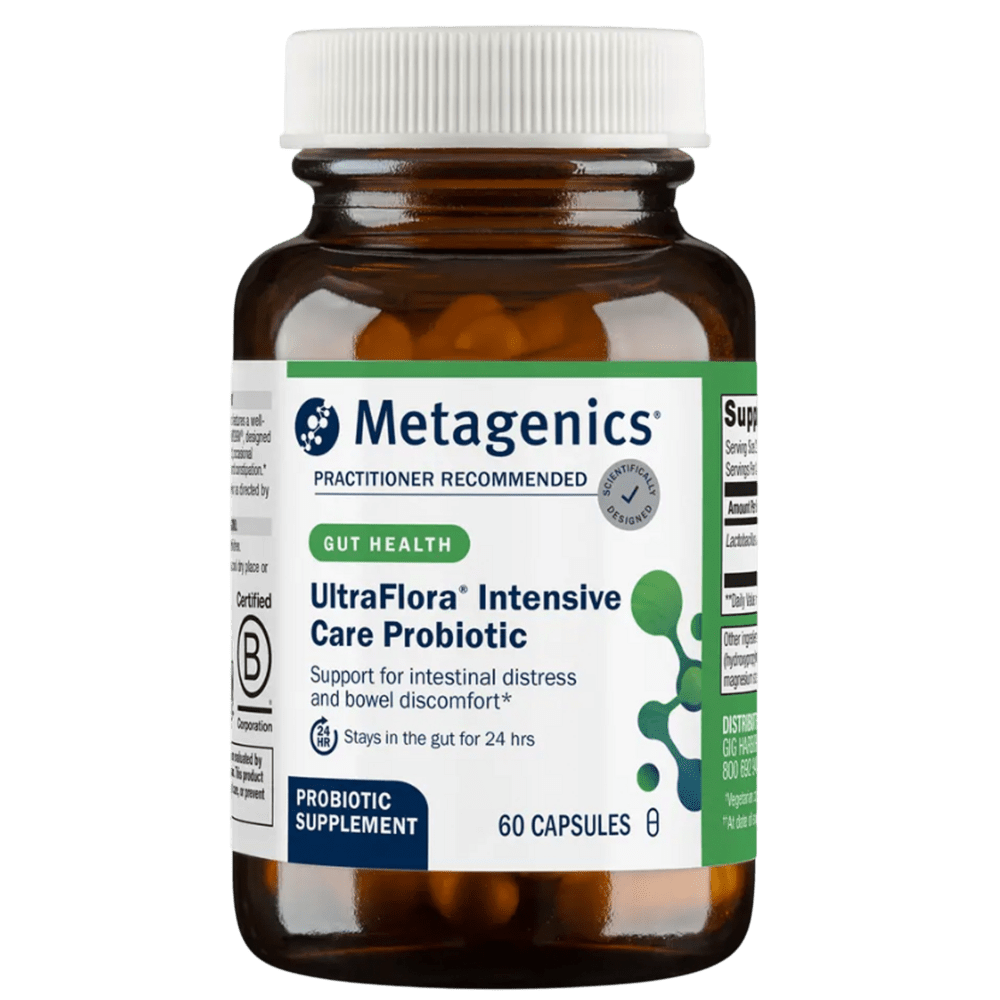
Metagenics UltraFlora Intensive Care
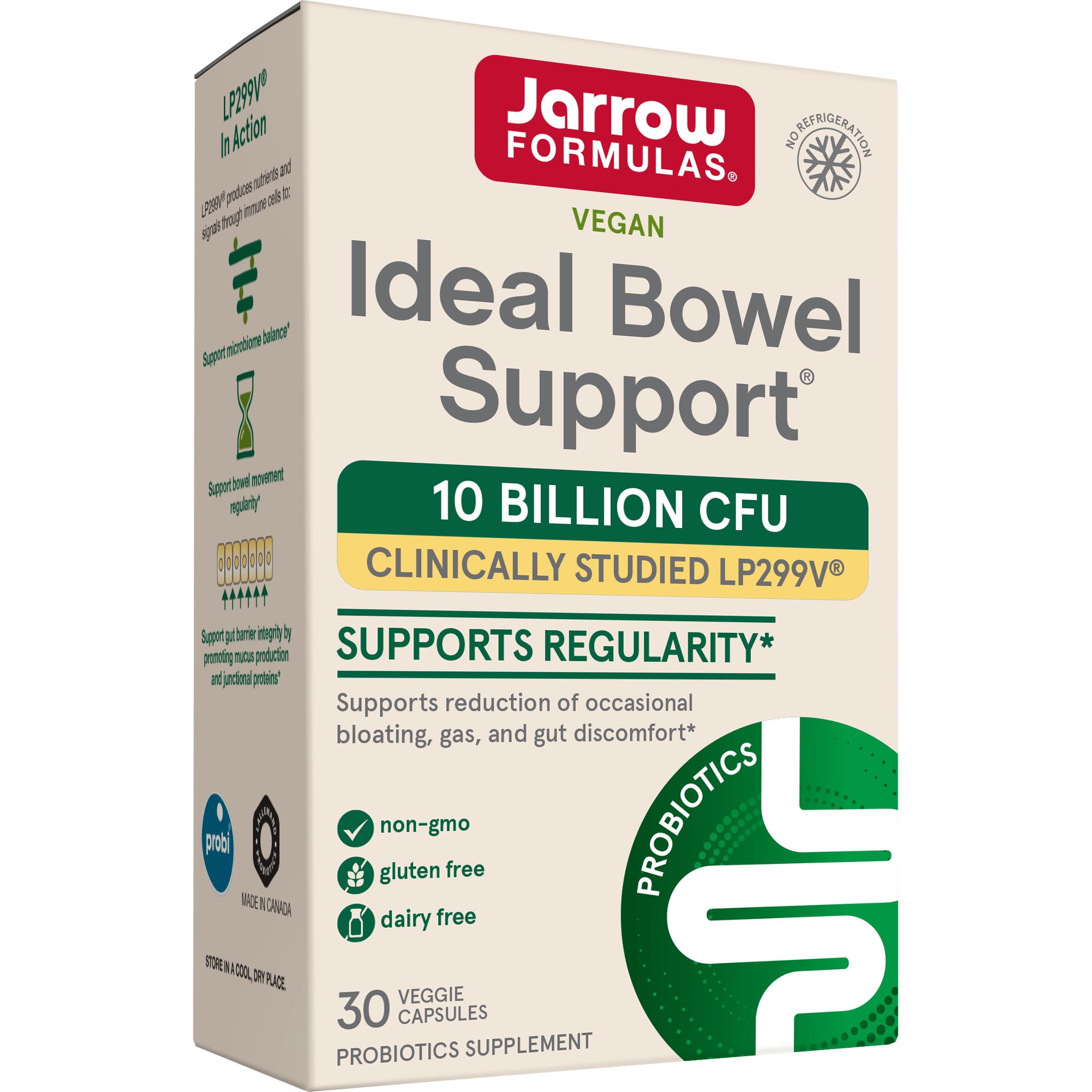
Jarrow Formulas Ideal Bowel Support
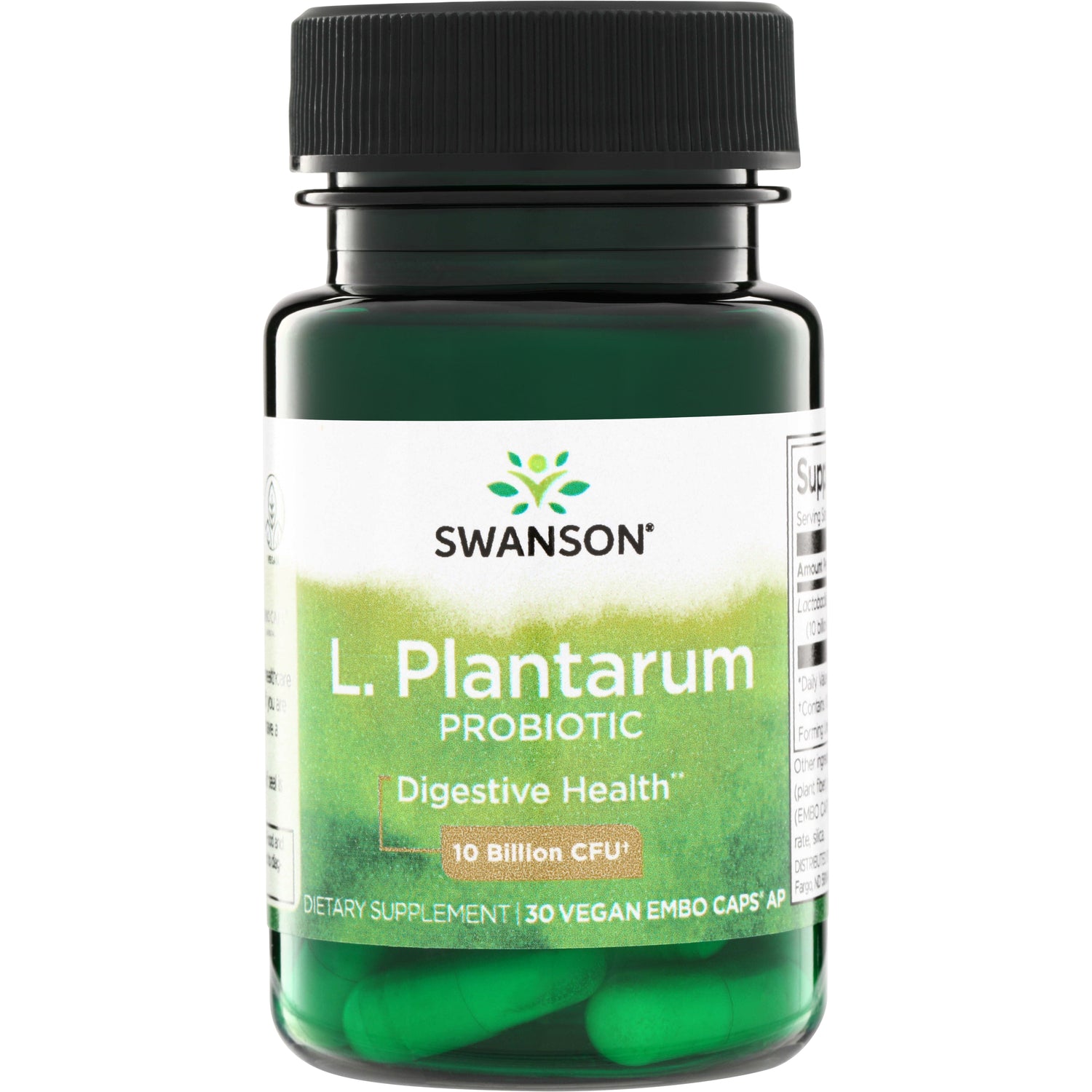
Swanson L. Plantarum
Bened Life Neuralli MP
| Product | Best for | Main strength | Main caution |
|---|---|---|---|
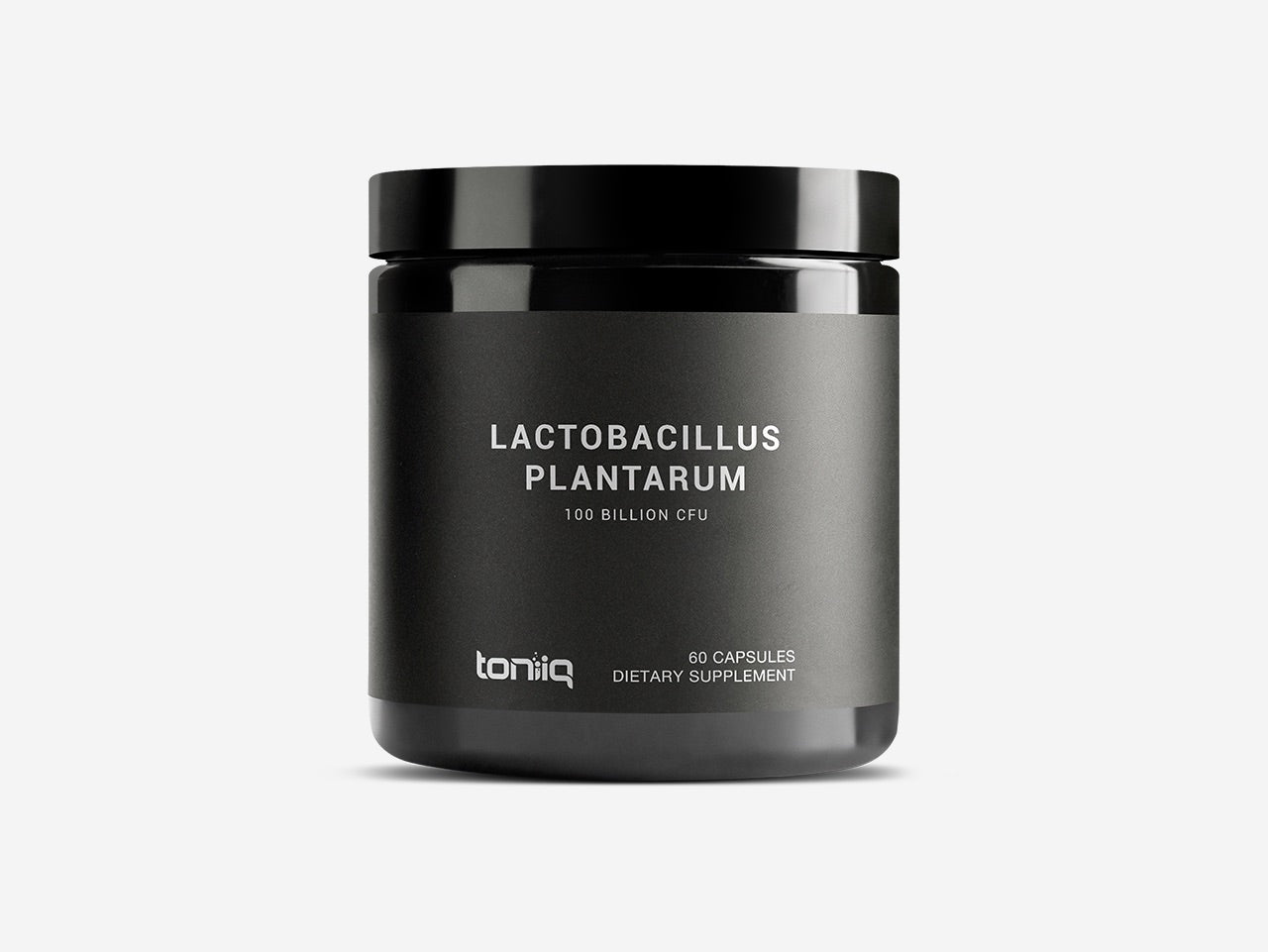
| Toniiq | High-potency users | 100B CFU + FOS | More potency than many need |
| Metagenics | Bloating/IBS-type comfort | LP299v evidence | Contains soy |
| BiOptimizers | Protein digestion | OM strain positioning | Lower CFU per capsule |
| Swanson | Budget buyers | Low cost, 10B CFU | Generic strain label |
| Jarrow | Best value 299v | Clinical strain at lower price | Trace soy |
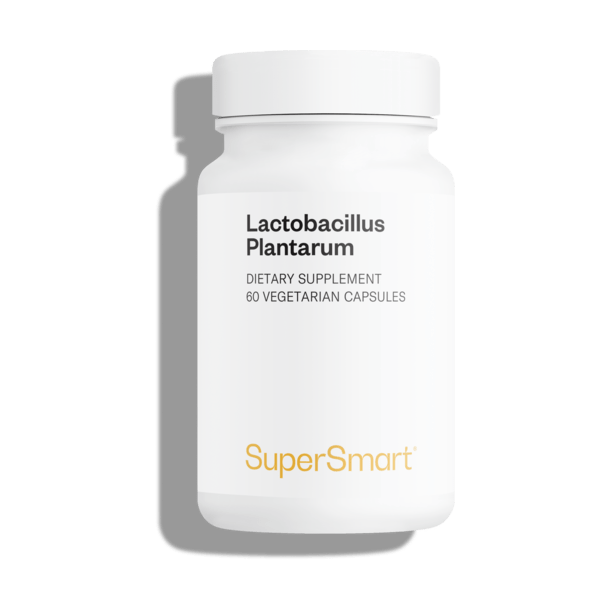
| Supersmart | Postbiotic immune support | Heat-killed HK L-137 | Not a live probiotic |
| Bened Life | Gut-brain support | PS128 psychobiotic | Premium price, refrigeration |
| Vitamatic | Everyday synbiotic | 20B CFU + inulin | Inulin may cause gas |
| Foods For Gut | Dose control | Pure powder | Less convenient |
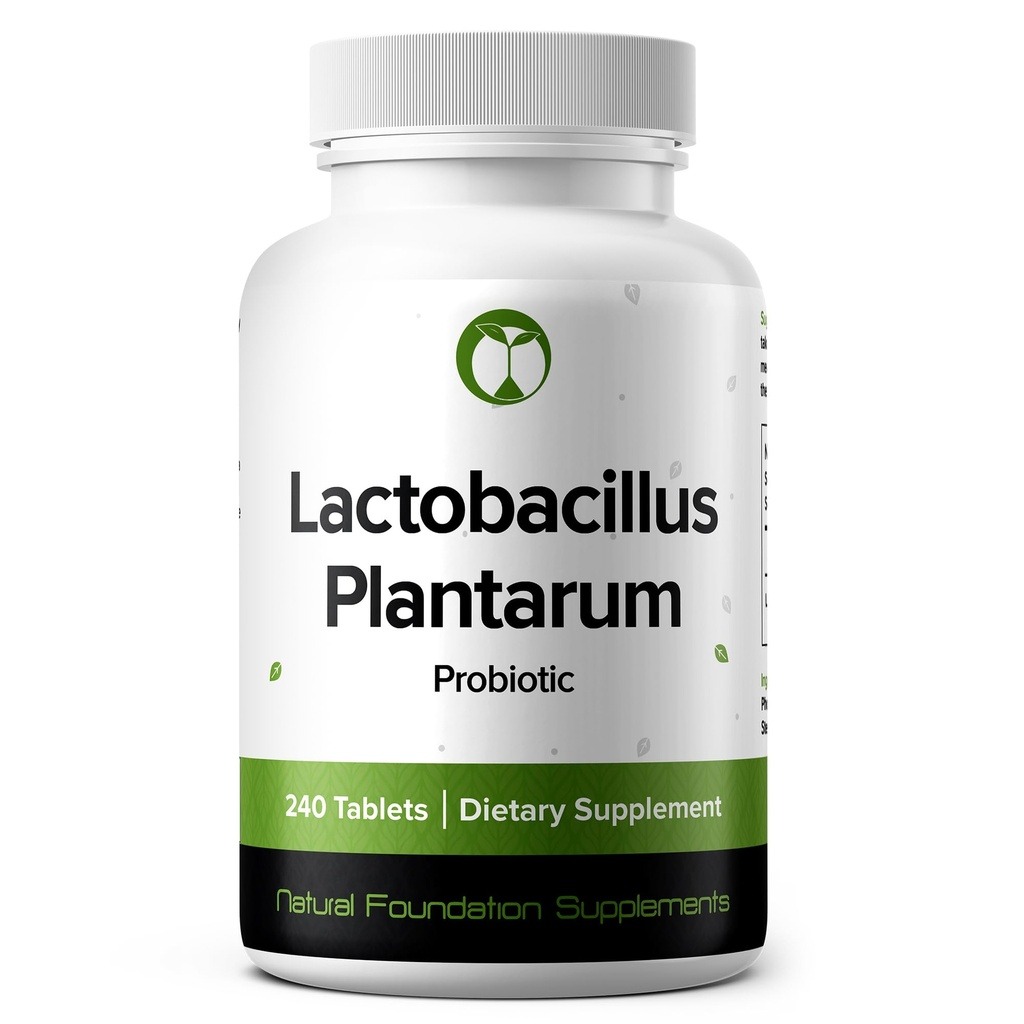
| LP90 | Bulk supply | 240 tablets | Lower dose per tablet |
The 10 Best Lactobacillus Plantarum Supplements



Common Buying Mistakes to Avoid
The probiotic aisle is designed to make people overbuy. Big CFU numbers, long strain lists, and shiny “clinically studied” badges can all look impressive while hiding the two questions that actually matter: which strain is this? and what problem am I trying to solve?
Mistake 1: buying only by CFU count
A 100-billion CFU product is not automatically five times better than a 20-billion CFU product. CFU tells you quantity, not strain quality, survivability, clinical relevance, or tolerance. For a bloating-focused reader, a moderate-dose 299v product can be more rational than a generic ultra-high-CFU capsule.
Mistake 2: ignoring prebiotics
Prebiotics such as FOS or inulin can make a formula stronger for some people and more irritating for others. If you are FODMAP-sensitive, easily bloated, or recovering from a gut flare, do not assume “synbiotic” means better. It may mean you need to start with a smaller dose or choose a no-prebiotic formula first.
Mistake 3: switching too quickly
Probiotics need time. If you switch products every three days, you will never know whether a strain was helping, hurting, or simply going through the normal adjustment phase. Unless symptoms clearly worsen, give one product a fair 3-4 week trial before judging.
Mistake 4: treating mood-focused probiotics like medication
Gut-brain products like PS128 are interesting, but they should be framed as supportive nutrition. They are not substitutes for diagnosis, therapy, prescription treatment, or urgent mental-health care. That distinction protects readers and keeps the recommendation medically responsible.
The more professional way to buy is boring but effective: choose one goal, choose one strain direction, check the allergen and storage notes, run one clean trial, then decide. This approach is slower than buying the loudest bottle, but it gives you a much better chance of learning what your gut actually tolerates.
For this particular roundup, I would not tell every reader to buy the same product. A healthy 35-year-old with occasional bloating, a 68-year-old on multiple medications, a high-protein athlete, and a sensitive low-FODMAP reader are not the same buyer. That is why the product cards below are framed by fit, not hype.
What Results Should You Expect?
A good L. plantarum supplement should not feel like a stimulant, laxative, or medication. The most realistic first signs are quieter gas, less after-meal pressure, more predictable stools, or fewer “my stomach feels off today” moments. Those changes are useful, but they are usually subtle and cumulative.
The first week is often the adjustment window. A little gas or rumbling does not automatically mean the product is bad; it can happen when bacteria, prebiotics, and your existing microbiome start interacting. But sharp pain, persistent diarrhea, fever, or blood in stool is not a normal probiotic adjustment and should be treated as a medical warning sign.
A practical 4-week trial plan
Start low if sensitive. Track gas, stool pattern, and bloating without changing five other things at once.
Move toward the label dose if tolerated. Keep meals steady so you can actually judge the product.
Look for pattern changes: less pressure after meals, easier stools, fewer flare days, or improved tolerance.
Decide. If nothing changed, switch strain type rather than blindly increasing CFU forever.
One more professional point: do not stack three probiotics, a prebiotic powder, digestive enzymes, and a new fiber supplement in the same week. If symptoms improve, you will not know which product helped. If symptoms worsen, you will not know which one caused the problem. A clean one-product trial is boring, but it gives you usable feedback.
For older adults, people with multiple medications, or anyone with a diagnosed digestive condition, the best supplement is the one that fits safely into the whole health picture. Probiotics can be helpful, but they should not delay evaluation for persistent symptoms.
Final Verdict: Which One Should You Buy?
If I had to simplify this whole list into one clinical decision tree, I would start with your main symptom. For bloating, IBS-type discomfort, and gut-comfort evidence, Metagenics UltraFlora Intensive Care is the best premium pick and Jarrow Ideal Bowel Support is the best value pick because both center on L. plantarum 299v.
If you are not symptom-driven and simply want a first probiotic, Swanson L. Plantarum is the easiest budget start. If you want the most aggressive high-potency bottle, Toniiq has the strongest CFU-per-serving profile, but I would not pay extra for 100 billion CFU unless you already know you tolerate probiotics well.
The specialist picks are where the list gets interesting: BiOptimizers P3-OM for protein-heavy diets, Supersmart Immuno-LP20 for postbiotic immune support, Bened Life Neuralli MP for gut-brain interest, Vitamatic for an everyday synbiotic, Foods For Gut for micro-dosing control, and LP90 for bulk value.
My practical recommendation
- Most readers: start with Jarrow if you want 299v at a sensible price.
- Most clinically cautious readers: choose Metagenics if you value practitioner-brand trust and do not mind the soy note.
- Most budget readers: choose Swanson first and reassess after 3-4 weeks.
- Most sensitive readers: consider Foods For Gut powder so you can start very low.
- Most specialized gut-brain readers: consider Bened Life Neuralli MP, but use it as supportive nutrition and keep your clinician involved.
Safety Notes Before You Start
Most healthy adults tolerate probiotics well, but “natural” does not mean risk-free. The safest approach is to introduce one probiotic at a time, start low if you are sensitive, and give your body a few weeks before judging the effect.
Stop and seek medical advice if symptoms get worse, you develop fever, blood in stool, severe abdominal pain, persistent diarrhea, or unexplained weight loss. Also ask a clinician first if you are immunocompromised, pregnant, critically ill, have a central line, or are giving probiotics to a child.
If you are taking antibiotics, many clinicians suggest spacing probiotics at least two hours away from the antibiotic dose. If you take immune-suppressing medication or have complex GI disease, do not self-prescribe probiotics based on an affiliate roundup.
Frequently Asked Questions
Is Lactobacillus plantarum safe to take every day?
For most healthy adults, yes, daily use is generally well tolerated. The common early complaints are mild gas, bloating, or stool changes during the first week. Use extra caution if you are medically fragile or immunocompromised.
What is the best Lactobacillus plantarum strain?
For digestive comfort and bloating, L. plantarum 299v has the strongest practical evidence in this roundup. Other strains can still be useful, but they should be matched to their specific use case rather than treated as interchangeable.
Can Lactobacillus plantarum help with bloating and IBS?
It may help some people, especially when the product uses 299v. The best way to frame it is “support for digestive comfort,” not a cure. IBS is multifactorial, and diet, stress, motility, FODMAP tolerance, sleep, and medications can all affect symptoms.
How long before I notice results?
Some users notice less bloating within days, but a fair trial is usually 3-4 weeks. If a product makes you consistently worse after the adjustment period, it may be the wrong strain, dose, or prebiotic blend for you.
Are higher CFU counts always better?
No. CFU count is only one piece of the puzzle. Strain quality, survivability, storage, expiration date, and your personal tolerance matter just as much. A 10-billion CFU 299v product may be a smarter buy than a generic 100-billion CFU product for some readers.
Should I take L. plantarum with food or on an empty stomach?
Follow the label first. If the label is flexible, many people do well before breakfast or before bed. If it causes nausea or gas, take it with food for the first week.
Can I take it with antibiotics?
Often yes, but space it away from the antibiotic by about two hours unless your clinician gives different instructions. If you are on antibiotics for a serious infection, ask your healthcare provider before adding any supplement.
Do I need to refrigerate Lactobacillus plantarum?
It depends on the formula. Shelf-stable capsules may not need refrigeration, while powders and certain live specialty strains often do. Heat, humidity, and long storage can reduce potency, so the label matters.
Is a postbiotic the same as a probiotic?
No. A probiotic contains live microorganisms. A postbiotic contains inactivated organisms, fragments, or metabolites that may still interact with the body. Supersmart’s HK L-137 product belongs more to the postbiotic side.
Can children take Lactobacillus plantarum?
Do not use adult probiotic products for children without pediatric guidance. Doses, strains, medical history, and product quality matter more in children.
Affiliate disclosure: DietaryHabit may earn a commission if you buy through links on this page, at no extra cost to you. This article is for educational purposes and is not medical advice. Statements have not been evaluated by the FDA; these products are not intended to diagnose, treat, cure, or prevent any disease. Talk with your healthcare provider before starting a new supplement.