

Medically reviewed by Dr. A.S.M. Masum Billah, MBBS
Sleep hits women differently. Shifting hormones, thinner deep-sleep stages after 40, and a stress load that rarely clocks out all stack the deck against a good night. So the best sleep supplements for women aren’t the ones with the flashiest label — they’re the ones with the right ingredient, at a dose that actually does something.
I reviewed these as a physician, not a hype machine. Every pick is real, currently on Amazon, and chosen on merit — with honest safety notes where they matter, especially for women on antidepressants or heading through perimenopause.
Here are ten natural sleep aids for women worth your money, ranked.
Outline
ToggleQuick Picks: Sleep Supplements for Women
- Best overall · Doctor’s Best Magnesium Glycinate Lysinate
- Best for stress & “tired but wired” · Integrative Therapeutics Cortisol Manager
- Best non-drowsy · NOW L-Theanine 200 mg
- Best low-dose melatonin · Nature Made Wellblends Back to Sleep
- Best for mood-linked sleeplessness · Dr. Emil 5-HTP Plus
- Best melatonin-free herbal · Thorne Valerian Root
What Actually Makes a Sleep Supplement Work for Women
Most “sleep aids for women” lean on one lever: melatonin. But melatonin is a timing signal, not a sedative — and most bottles dose it 5–10× higher than your body needs. More isn’t better here. It just leaves you groggy.
The picks below cover four different mechanisms, so you can match the fix to the problem:
- Calm the nervous system — magnesium, L-theanine, glycine, GABA.
- Lower a racing cortisol — ashwagandha, phosphatidylserine.
- Nudge your clock — low-dose melatonin, tart cherry.
- Support serotonin & mood — 5-HTP (with real cautions).
For a broader ingredient-by-ingredient comparison, visit our guide to the best supplements for better sleep.
A note that matters more for women: if you take an SSRI, SNRI, or MAOI antidepressant, be careful with serotonergic products like 5-HTP. Women are prescribed these medicines far more often than men, and the combination carries a real interaction risk. I’ve flagged it clearly on every product where it applies.
Pregnant or breastfeeding? Skip supplement sleep aids unless your own doctor signs off.
The 10 Best Sleep Supplements for Women
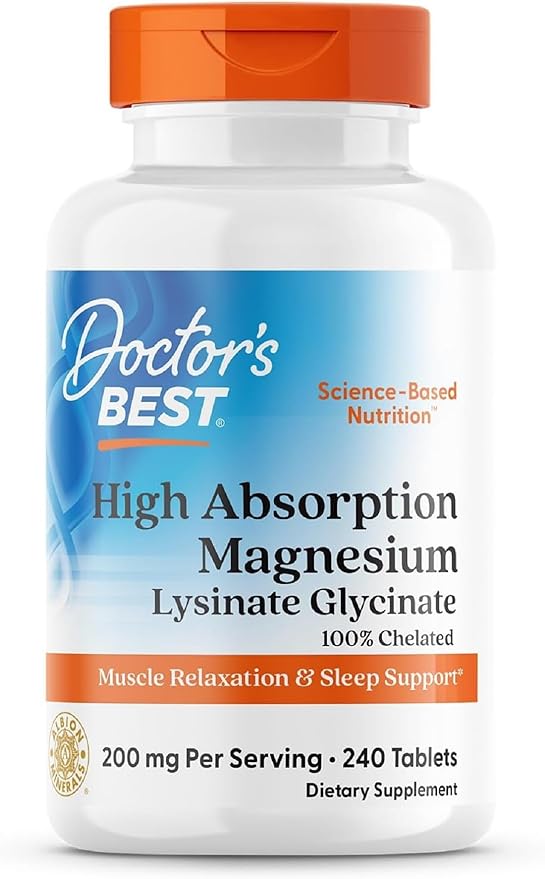
1. Doctor’s Best High Absorption Magnesium Glycinate Lysinate
If you buy one thing off this list, make it magnesium. It’s the quiet workhorse of women’s sleep — and Doctor’s Best gets the form right without charging a premium.
In the bottle
You get 200 mg of elemental magnesium per two tablets, from a TRAACS bisglycinate-lysinate chelate — the gentle, well-absorbed form that won’t send you running to the bathroom like cheap magnesium oxide does. That 200 mg sits at the entry of the clinical sleep range, which is exactly where you want to start before nudging upward.
Why it earns the top spot
Magnesium quiets the nervous system by supporting GABA and buffering cortisol — and women run low on it thanks to monthly losses and under-eating it to begin with. In a controlled trial in older adults with insomnia, 500 mg of magnesium daily improved sleep time, sleep latency, and insomnia severity scores (Abbasi et al., J Res Med Sci, 2012). Bonus for perimenopause: it eases the leg cramps and restlessness that flare at night.
Safety check
Very well tolerated. Loose stools are the main side effect and are rare at this dose in glycinate form. If you have kidney disease, clear it with your doctor first, and space it two hours from thyroid meds or certain antibiotics.
Dialing in the dose
Take two tablets 30–60 minutes before bed with a small snack. If sleep doesn’t budge in a week, you have room to climb toward 400 mg. Want the full comparison of chelates and brands? See our best magnesium glycinate supplements guide.
Ideal absorbable form, low cost per dose, gentle on the stomach, no melatonin hangover.
Two tablets per serving; not a knockout pill — it works best nightly over time.
“I stopped waking at 3 a.m. after about a week. No grogginess, which is why I stuck with it.” — representative customer sentiment
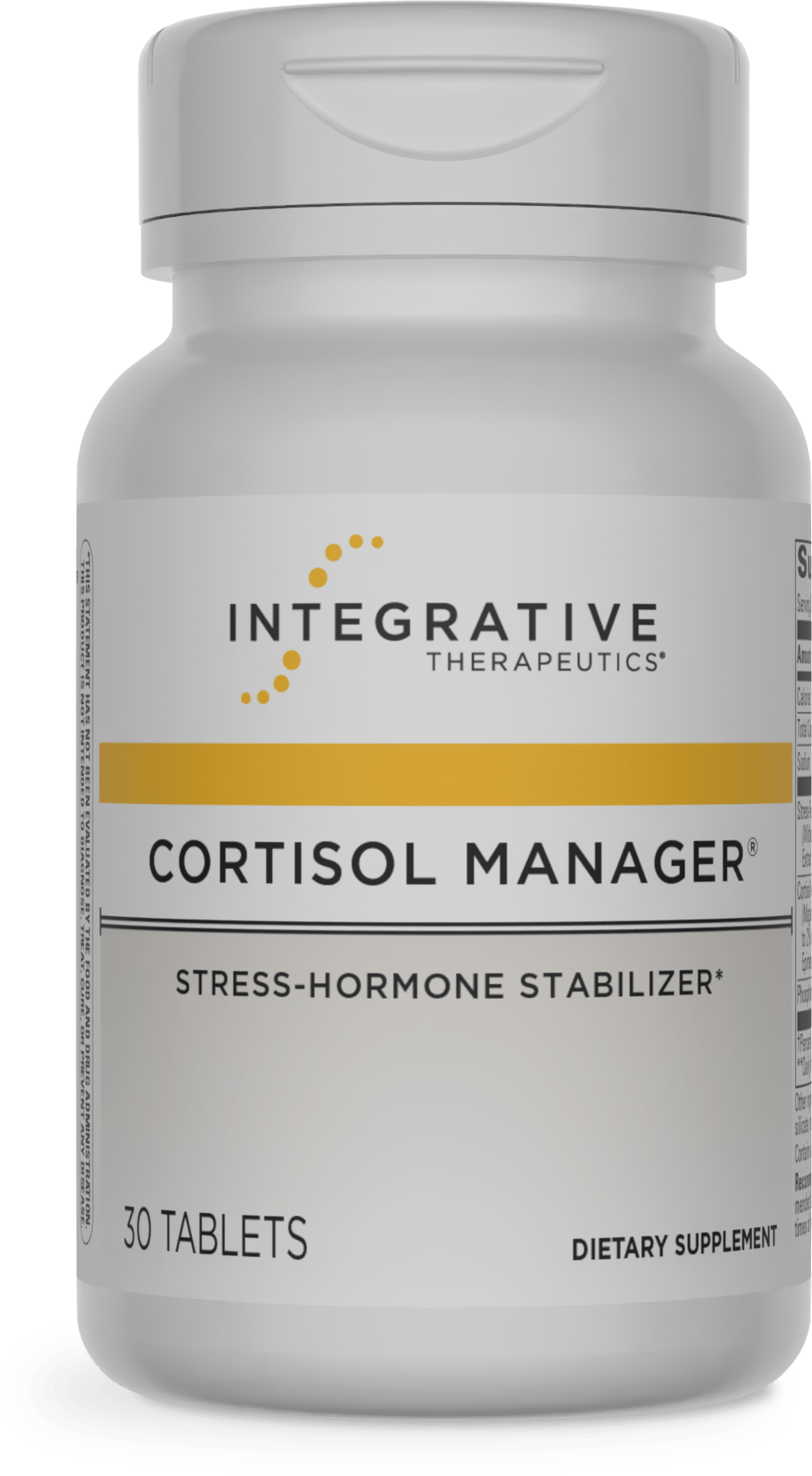
2. Integrative Therapeutics Cortisol Manager
Lie awake with a mind that won’t stop scrolling? That’s usually cortisol, not a melatonin shortage. Cortisol Manager targets the actual culprit — and it’s the practitioner-shelf staple for a reason.
In the bottle
A blend of Sensoril brand ashwagandha and L-theanine, plus magnolia, epimedium, and phosphatidylserine. Sensoril is a high-withanolide extract standardized for stress support, and the theanine layers on calm without sedation.
Why it earns its spot
Ashwagandha is one of the few botanicals with real trial data for sleep and stress: studies show it lowers cortisol and improves sleep onset and quality (Langade et al., 2019; Salve et al., 2019). For women juggling a mental load that peaks at bedtime, that “turn the volume down” effect is the whole point.
Safety check
The standard formula contains soy-derived phosphatidylserine — an Allergen Free version exists if that’s an issue. Skip ashwagandha if you have a thyroid condition without medical guidance, or an autoimmune disease, and don’t use it in pregnancy.
Dialing in the dose
One tablet about an hour before bed. Adaptogens build — give it two to three weeks of nightly use before you judge it.
Targets stress-driven insomnia, trusted clinical brand, non-drowsy, no melatonin.
Proprietary blend hides exact amounts; soy in the standard version; takes time to kick in.
“My brain finally shuts off at night. It’s not knock-you-out — more like the anxiety dial goes down.” — representative customer sentiment
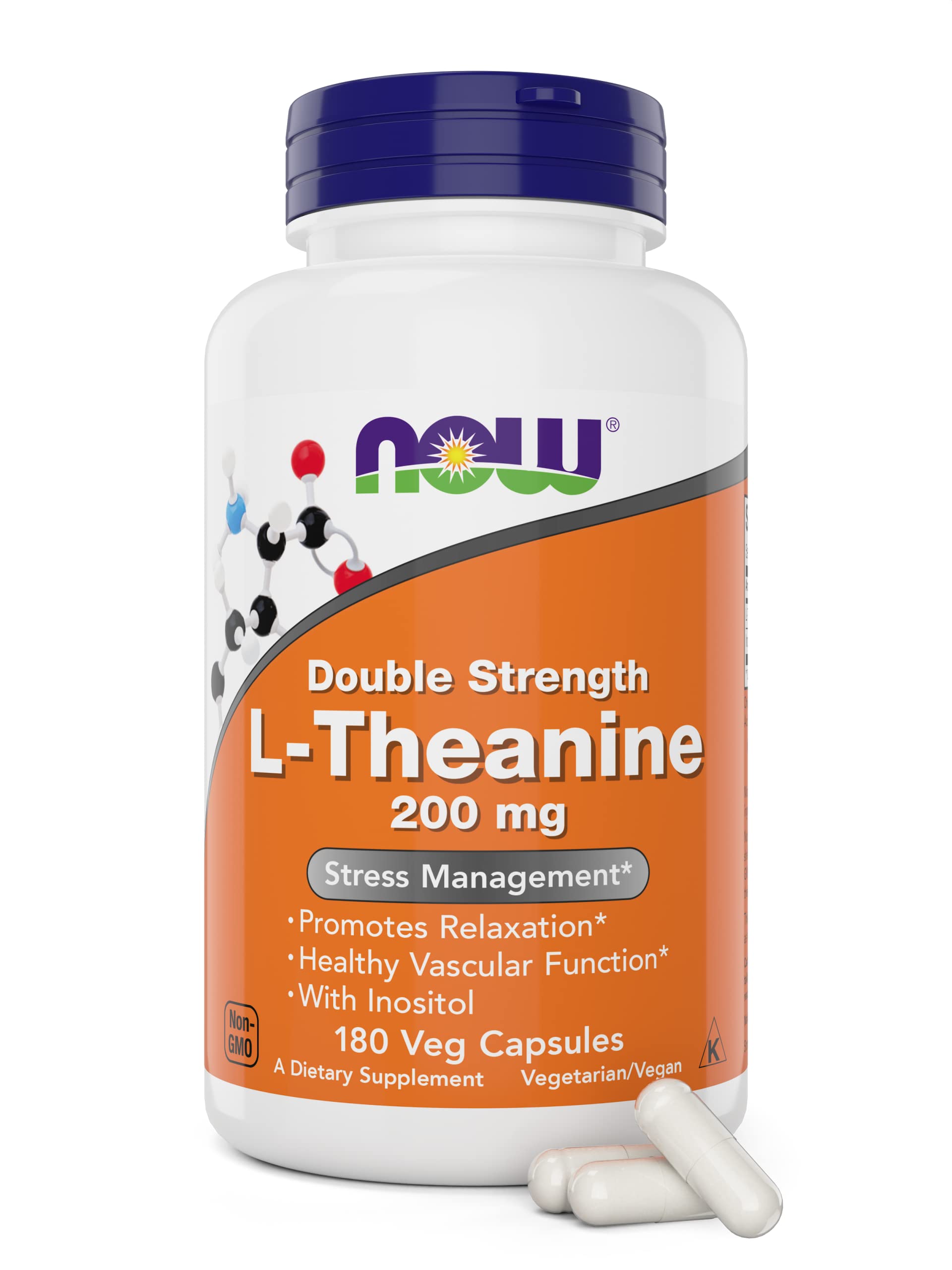
3. NOW L-Theanine 200 mg
If melatonin leaves you foggy and you just want your mind to settle, L-theanine is the gentle answer. It’s the “take the edge off” amino acid — and NOW’s version is clean and cheap.
In the bottle
200 mg of L-theanine — the amino acid from green tea — with 100 mg inositol. That’s the dose used in sleep and stress research, so you’re not paying for a token sprinkle.
Why it earns its spot
Theanine raises calming brain chemistry and alpha-wave activity without knocking you out. A daily 200 mg dose improved sleep quality and stress markers in a controlled study (Hidese et al., Nutrients, 2019). It’s a standout in perimenopause, where women report it helps them both fall asleep and stay asleep — with zero morning hangover.
Safety check
About as gentle as supplements get, with no known dependence. Safe to pair with magnesium. If you’re on blood-pressure medication, mention it to your doctor, as theanine can have a mild lowering effect.
Dialing in the dose
One capsule 30–45 minutes before bed. It also works mid-day for anxious tension without making you sleepy — a genuinely flexible pick. Compare other focused formulas in our best L-theanine supplements guide.
Non-sedating, no hangover, research-backed dose, very affordable, daytime-friendly.
Subtle — if you need a strong push into sleep, pair it with magnesium.
“Calms the racing thoughts without making me a zombie. I take it before stressful evenings too.” — representative customer sentiment
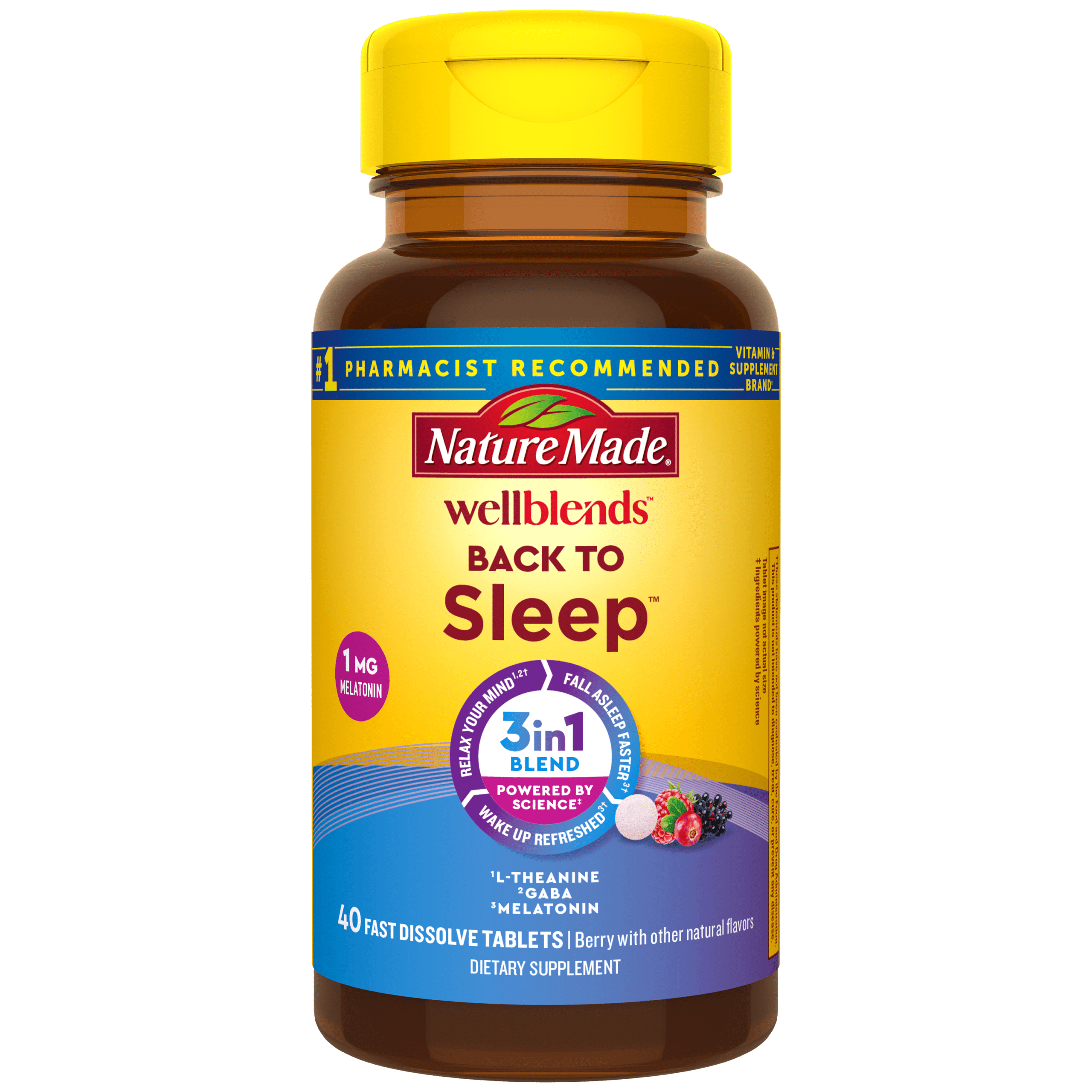
4. Nature Made Wellblends Back to Sleep
Here’s the melatonin most women should actually be taking: a smart, low dose — not the 10 mg sledgehammer that leaves you groggy till noon.
In the bottle
Just 1 mg of melatonin, paired with 100 mg L-theanine and 100 mg GABA in a berry fast-dissolve tab. The low melatonin dose is the headline feature, not a shortcoming.
Why it earns its spot
Melatonin is a clock-setter, and research shows lower, physiologic doses (around 0.3–1 mg) work as well or better than mega-doses — with fewer next-day effects. The theanine and GABA add a calm layer so it’s not just timing but settling too. It’s a smart entry point, and useful for the middle-of-the-night wake-ups that hit in perimenopause.
Safety check
Melatonin is best used occasionally, not as a nightly forever-habit. It can interact with blood thinners and some blood-pressure and diabetes medicines — check with your doctor if that’s you. Not for pregnancy.
Dialing in the dose
Let one dissolve 30 minutes before bed, at least four hours before you need to wake. Keep the room dark — light undoes melatonin’s signal.
Sensible 1 mg dose, USP-quality brand, no water needed, sugar-free, calming add-ins.
Melatonin isn’t for everyone; some prefer a fully melatonin-free option.
“Finally a melatonin that doesn’t make me feel hungover. The low dose was the difference.” — representative customer sentiment
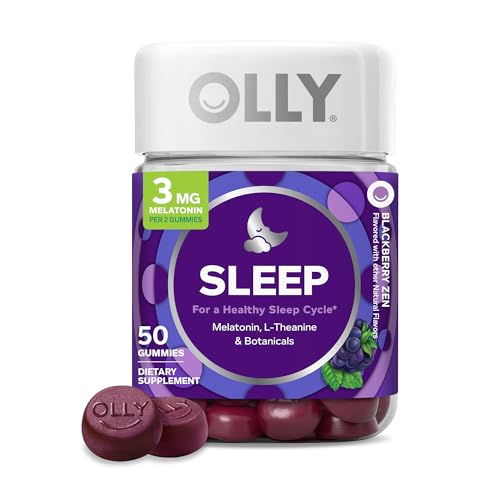
5. OLLY Sleep Gummy
New to sleep supplements and want something pleasant you’ll actually remember to take? This is the friendly on-ramp — a tasty gummy with a sensible formula.
In the bottle
3 mg melatonin with L-theanine, chamomile, and lemon balm in a blackberry gummy. It’s a modest, sane melatonin dose layered with calming botanicals — not a stimulant-loaded mystery blend.
Why it earns its spot
The appeal is behavioral: a supplement only helps if you take it, and a good-tasting gummy wins on consistency. Chamomile brings apigenin, which gently binds calming receptors, while theanine softens a busy mind.
Safety check
Same melatonin cautions as above — occasional use, and check interactions with blood thinners or BP meds. Chamomile can cross-react if you’re allergic to ragweed. It contains a little sugar, minor but worth knowing.
Dialing in the dose
Two gummies about 30 minutes before bed. Try one first — plenty of women find a single gummy is all they need.
Tastes great, easy habit, reasonable dose, calming botanicals, widely available.
Contains sugar; gummies are easy to over-take; not melatonin-free.
“The one supplement I never forget because it feels like a treat. One gummy does it for me.” — representative customer sentiment
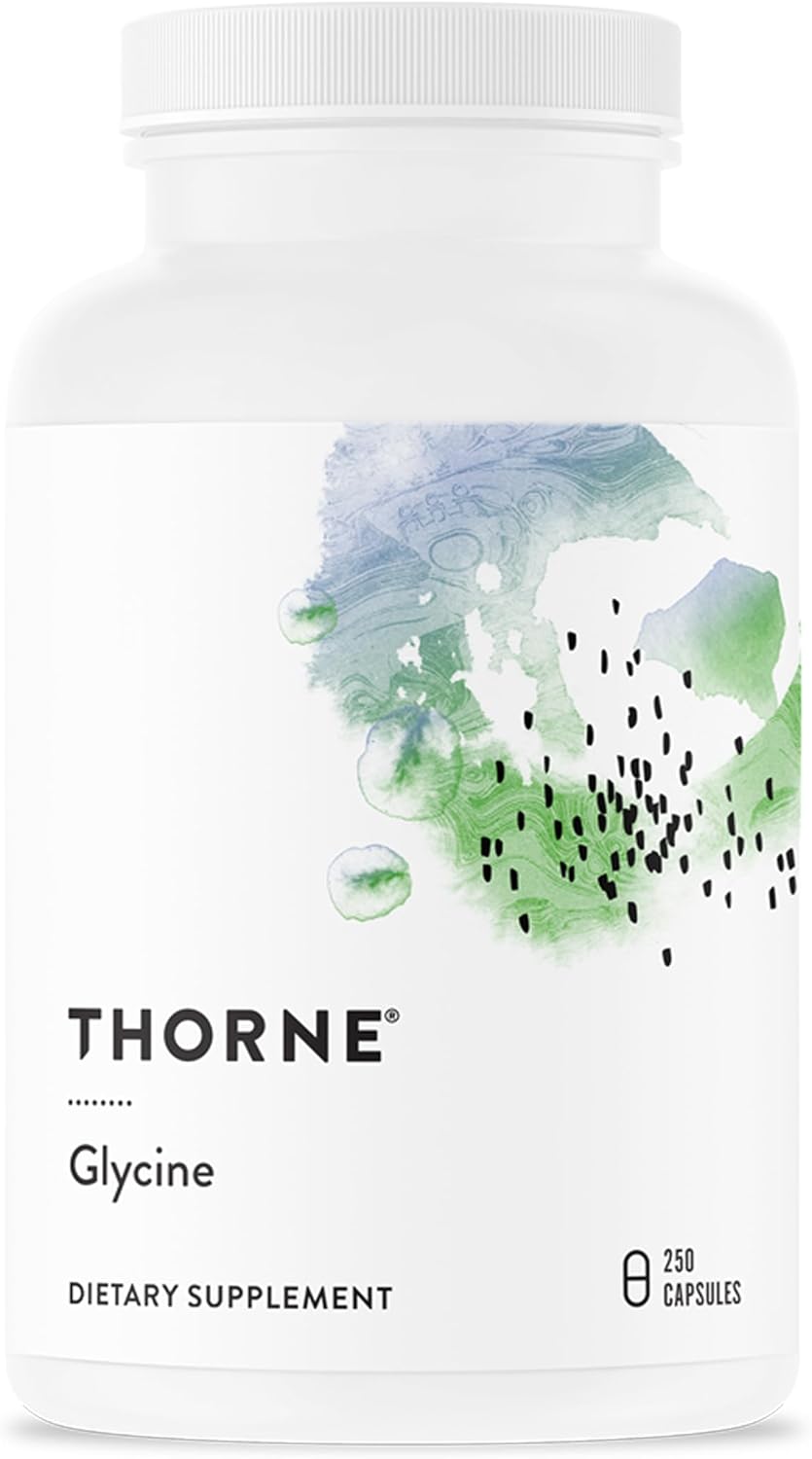
6. Thorne Glycine
Glycine is the under-the-radar amino acid that helps you drop into deep sleep faster — and Thorne’s is about as clean as supplements come.
In the bottle
1 gram of glycine per two capsules, with no fillers that get in the way of absorption. Thorne is third-party certified and trusted across clinical and pro-sports settings, so label accuracy isn’t a question mark.
Why it earns its spot
Glycine gently lowers your core body temperature — the physiological cue that tells your brain it’s time to sleep. In studies, 3 grams before bed improved subjective sleep quality and shortened the time to fall asleep (Yamadera et al., 2007). It’s a smart, melatonin-free choice, and it plays well stacked with magnesium.
Safety check
Glycine is a naturally occurring amino acid and is well tolerated, with mild stomach upset the only common complaint. No sedation hangover and no dependence.
Dialing in the dose
The research dose is 3 grams, so you’ll want six capsules here — or consider a glycine powder if capsule-counting isn’t your thing. Take it right before bed.
Deep-sleep support, spotless quality, no hangover, melatonin-free, great to stack.
The effective dose means several capsules; powder may be more practical.
“Deeper sleep is the best way I can describe it. I wake up feeling like I actually rested.” — representative customer sentiment
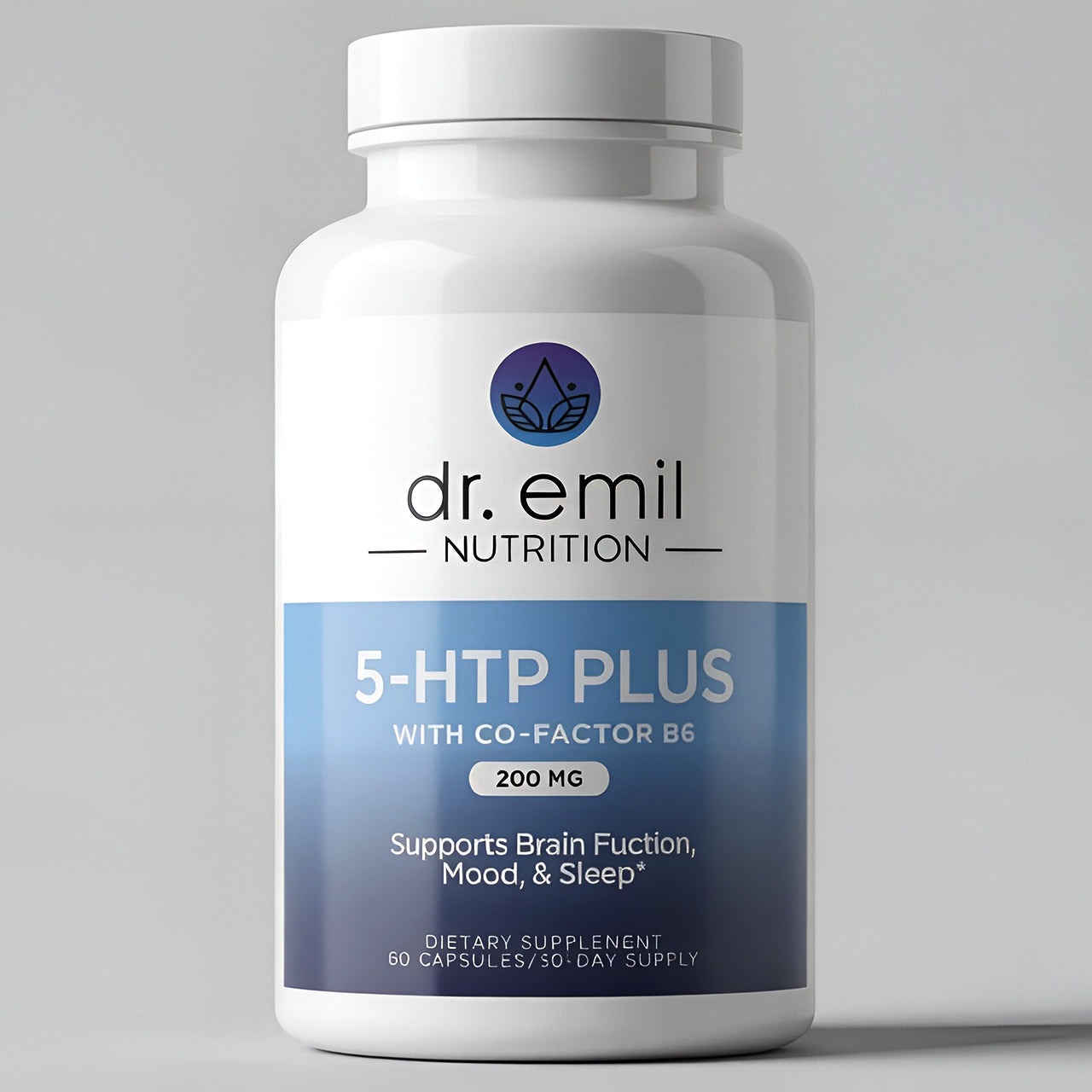
7. Dr. Emil 5-HTP Plus with SAM-e
When poor sleep rides shotgun with low mood, a serotonin-precursor approach can help — but this one comes with real cautions I want you to read before the praise.
In the bottle
200 mg of 5-HTP, plus 20 mg SAM-e, 20 mg L-tryptophan, and B6. That’s three serotonin-supporting compounds working together, with B6 as the conversion cofactor. It’s a purposeful formula for the serotonin pathway.
Why it earns its spot
5-HTP is a direct precursor to serotonin, which your body then converts to melatonin — so the mood-and-sleep link is biologically sound. For women whose sleeplessness is tied to a low, ruminative mood, it targets a different lever than magnesium or melatonin do.
Dialing in the dose
If it’s appropriate for you, take two capsules once daily. Start low and don’t run it indefinitely without medical input. For simpler single-pathway alternatives, see our best 5-HTP supplements guide.
Targets the mood-sleep connection, transparent label, added B6 cofactor.
Serious interaction risk with antidepressants; not for everyone; evidence for sleep is modest.
“Helped my mood and my sleep together — but I checked with my doctor first because I’d been on an SSRI.” — representative customer sentiment
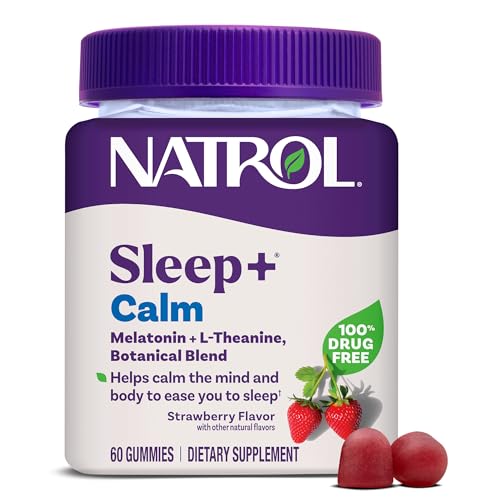
8. Natrol Sleep+ Calm
Want the melatonin-plus-calm combo without the premium price? Natrol packs a fuller botanical roster into an affordable, widely stocked gummy.
In the bottle
Melatonin with L-theanine, chamomile, lavender, and lemon balm — a broader calming stack than most single-note gummies, in a strawberry chew made with pure melatonin.
Why it earns its spot
It’s the value play: the clock-setting nudge of melatonin plus a layered “wind-down” blend — lavender and lemon balm have long traditional use for calm — at a cost per night that’s hard to beat.
Safety check
Standard melatonin cautions apply — occasional use and check with your doctor if you’re on blood thinners or an autoimmune or depressive condition, as the label itself advises. Ragweed allergy? Chamomile may bother you.
Dialing in the dose
Two gummies about 30 minutes before bed. As with any melatonin, keep the lights low afterward.
Affordable, rich botanical blend, tasty, easy to find, trusted brand.
Contains melatonin and a little sugar; blend amounts aren’t fully broken out.
“Does everything the fancy ones do for half the price. I keep a bottle on my nightstand.” — representative customer sentiment
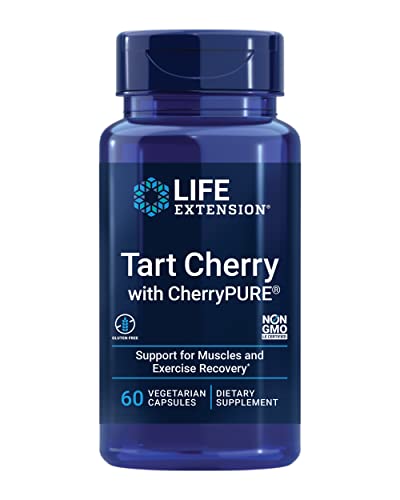
9. Life Extension Tart Cherry with CherryPURE
Prefer a food-first approach? Tart cherry is the whole-fruit option — a gentle, natural source of melatonin and antioxidants.
In the bottle
A standardized CherryPURE Montmorency tart cherry concentrate, from Life Extension — a brand known for tighter sourcing standards. You get the cherry’s naturally occurring melatonin plus anthocyanin antioxidants.
Why it earns its spot
Montmorency cherries are one of the few foods with real sleep data. In older adults with insomnia, tart cherry increased total sleep time by roughly 84 minutes versus placebo (Losso et al., Am J Ther, 2018). The effect is gentle, not sedating — ideal for women who dislike the idea of a “sleep drug.”
Safety check
Very well tolerated. The natural melatonin content is small, so interaction risk is low, but the same blood-thinner caution applies at higher intakes. A quiet double benefit: tart cherry also supports muscle recovery and uric-acid balance.
Dialing in the dose
Take as directed in the evening. Consistency matters more than a single big dose — give it a couple of weeks.
Whole-food source, gentle, antioxidant bonus, no grogginess, recovery perk.
Subtle and slow; not a fix for severe insomnia on its own.
“I like that it’s just cherries. Gentle, but I do sleep longer with it.” — representative customer sentiment
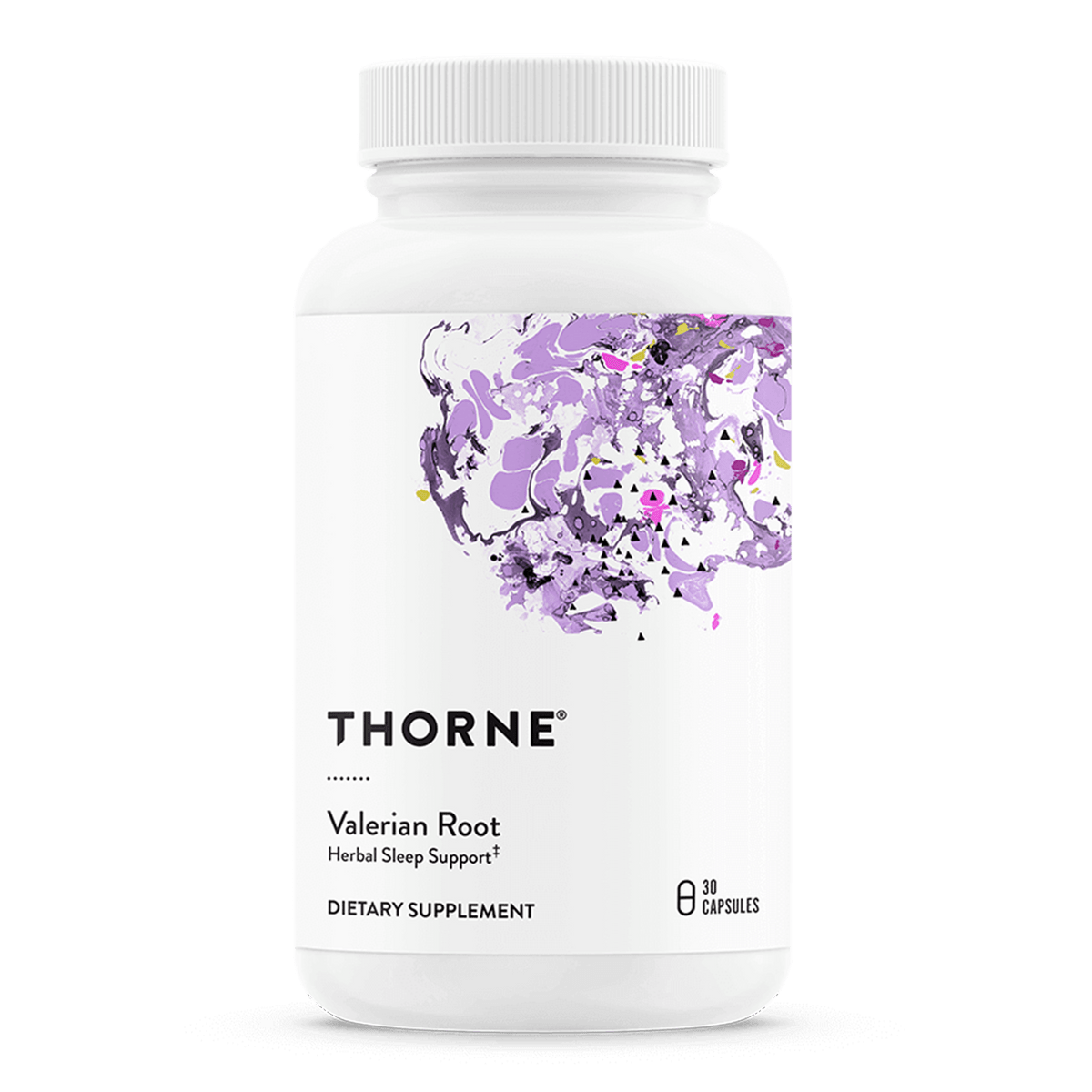
10. Thorne Valerian Root
Valerian is the classic herbal sleep root — and I’m including it with an honest asterisk: it helps some women a lot and others not at all. Thorne’s clean version is the one to test that on.
In the bottle
A straightforward, third-party-certified valerian root extract, free of the melatonin most herbal blends lean on. Thorne’s quality standards mean you’re getting what the label says.
Why it earns its spot
Valerian appears to support the same calming GABA system as prescription sleep aids, minus the hangover. The honest read on the science: a meta-analysis found it may improve sleep quality, though results are mixed across studies (Bent et al., Am J Med, 2006). It’s a fair melatonin-free option to trial when other routes fall short.
Safety check
Generally well tolerated. Don’t combine it with alcohol, sedatives, or benzodiazepines, and skip it in pregnancy. A minority of people feel more alert on it, oddly — if that’s you, it’s not your herb.
Dialing in the dose
Take 30–60 minutes before bed. Valerian tends to work better with steady nightly use over a week or two than as a one-off. Compare more options in our best valerian root supplements guide.
Traditional herbal route, melatonin-free, trusted brand, no grogginess for most.
Response is hit-or-miss; earthy smell; evidence is inconsistent.
“Works well for me on stressful nights. My sister felt nothing — so it really is individual.” — representative customer sentiment
What Didn’t Make Our Top 10
A few well-marketed products fell short. We cut hidden “proprietary blends” that bury doses, mega-dose 10 mg melatonin bottles, and standalone products stacking multiple serotonin agents.
Worth knowing: Yu Sleep (a direct-to-consumer option)
Yu Sleep is a liquid formula that some readers ask about. It’s a reasonable multi-ingredient blend, but a few things kept it out of the ranked list, and we’d rather be straight with you: it’s sold only on the brand’s own site, not Amazon, so third-party reviews and independent testing aren’t available to verify its claims. Its ingredient and dose reporting also varies between sources. And because it contains 5-HTP, the same antidepressant-interaction caution as our #7 pick applies.
If you’d like to explore it with those caveats in mind, here’s the official link.
Check Yu Sleep (official site) →Frequently Asked Questions
What is the best sleep supplement for women over 50?
For most women over 50, magnesium glycinate is the smartest starting point — it’s gentle, addresses a common deficiency, and eases the night-time restlessness of perimenopause. If a racing, stressed mind is the issue, an ashwagandha-based product like Cortisol Manager is often the better match.
Is it safe to take sleep supplements every night?
Magnesium, L-theanine, and glycine are fine for nightly use. Melatonin is better kept for occasional nights or short stretches rather than indefinitely. If you need something every night for weeks on end, that’s a conversation to have with your doctor.
Can I take sleep supplements with antidepressants?
Magnesium, glycine, and low-dose melatonin are usually compatible, but always confirm with your prescriber. Avoid 5-HTP, SAM-e, and L-tryptophan with SSRIs, SNRIs, or MAOIs — that combination carries a real serotonin-syndrome risk.
How much melatonin should a woman take?
Less than you’d think. A dose of 0.5–1 mg is often as effective as 5 or 10 mg, with far less morning grogginess. Start low, take it about 30 minutes before bed, and keep the lights dim.