
We only recommend products we love and that we think you will, too. We may receive a portion of sales from products purchased from this article.

Medically reviewed by Dr. A.S.M. Masum Billah, MBBS
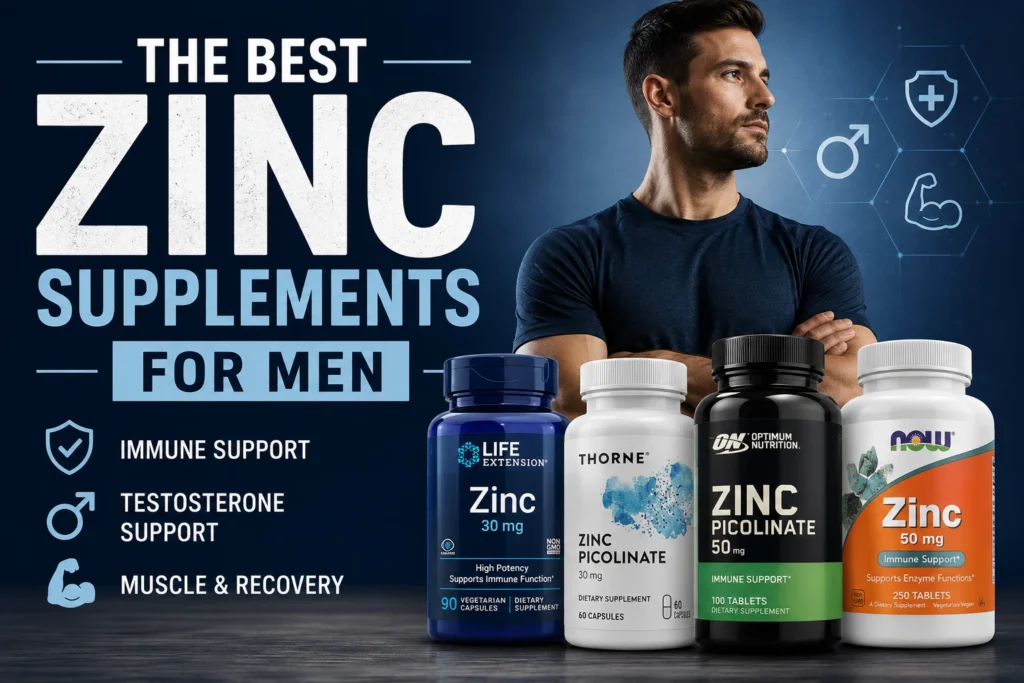
Zinc quietly runs over 300 enzymatic reactions in your body — touching testosterone production, immune defense, wound healing, and sperm motility. Most men are mildly deficient and don’t know it. Athletes sweat it out. Older men absorb less. And the supplement market is packed with cheap zinc oxide that your gut barely recognizes.
I reviewed these 10 best zinc supplements for men based on ingredient forms, clinical dosing, third-party testing, and real-world tolerability. Here’s who made the cut and why.
Best Zinc Picolinate Supplements
Best Zinc Supplements for Seniors
Signs You May Be Zinc Deficient
Zinc deficiency is often subclinical — meaning it doesn’t show up dramatically, but you feel it. Men are particularly vulnerable due to higher physiological demand, sweat losses, and lower dietary intake compared to women.
Common signs to watch for:
Frequent colds or slow immune recovery. Wounds that heal slower than they used to. Hair thinning or increased shedding. Reduced sense of taste or smell. Low libido or declining energy. White spots on fingernails (leukonychia). Brain fog or poor concentration. Skin issues — acne, dermatitis, or slow repair after minor cuts.
None of these alone confirms deficiency. But if three or more apply to you consistently, a serum zinc test through your doctor is worthwhile. Plasma zinc is the standard clinical test, though it can underestimate intracellular deficiency in some cases.
Who’s most at risk: Men over 50 (reduced intestinal absorption), athletes (sweat losses of 2–3 mg/session), vegetarians and vegans (phytates in plant foods block absorption), men with IBD, Crohn’s, or chronic diarrhea, and heavy alcohol consumers (alcohol increases urinary zinc excretion).
Zinc and Testosterone — The Science
The zinc-testosterone relationship is real but frequently overstated. Here’s what the evidence actually says.
Zinc is essential for the function of the hypothalamic-pituitary-gonadal (HPG) axis — the hormonal cascade that governs testosterone production. It also inhibits aromatase, the enzyme that converts testosterone to estradiol. Deficiency disrupts both ends of this system.
The landmark 1996 study by Prasad et al. (*Nutrition*, 1996) demonstrated that dietary zinc restriction in healthy young men reduced serum testosterone by nearly 75% over 20 weeks. Supplementation restored it. This is the most cited study in this area and it’s methodologically sound.
The important take: this effect applies to zinc-deficient men. Supplementation in men with already adequate zinc status does not push testosterone above normal physiological ranges. Zinc is not a testosterone booster — it’s a testosterone floor-raiser for those whose levels have been depressed by deficiency.
For men specifically concerned about testosterone, the most clinically relevant products on this list are Designs for Health Zinc Supreme (active B6 cofactor supports testosterone metabolism pathways) and Thorne Zinc Picolinate (used by elite athletes for hormonal maintenance).
Zinc Forms to Avoid
Not all zinc is worth buying. These are the red flags to look for on labels:
Zinc Oxide — The most common form in cheap multivitamins. Absorption rates as low as 5–10% in some studies. Your body barely recognizes it. Avoid as a primary zinc source.
Zinc Sulfate (in capsules) — Reasonably absorbed but notorious for causing nausea and gastric irritation, especially on an empty stomach. Fine in liquid ionic form (like Trace Minerals) where you can control the dose. In capsule form, it’s a poor choice.
Zinc Gluconate (as a standalone supplement) — Decent bioavailability, but significantly outperformed by picolinate, bisglycinate, and methionine forms. Acceptable in lozenges for short-term use; not ideal for daily systemic supplementation.
Proprietary blends hiding zinc dosage — If the label lists “Immune Complex — 200 mg (zinc, elderberry, vitamin C…)” without specifying elemental zinc amount, walk away. You have no idea how much zinc you’re actually getting.
Any product using zinc without disclosing the form — “Zinc 25 mg” with no form listed almost always means zinc oxide. A brand confident in their zinc form will tell you exactly what it is.
Quick buyer’s guide — best zinc supplements for men
Designs for Health Zinc Supreme
30 mg · Bisglycinate Chelate + Cofactors
Clinical formula with active P-5-P B6, taurine & molybdenum. The physician’s first choice.
Thorne Zinc Picolinate
30 mg · NSF Certified for Sport
Zero banned substances. Trusted by 100+ professional sports teams worldwide.
MegaFood Zinc
22.5 mg · Fermented Whole-Food
Fermented into organic spinach & broccoli. Safe on an empty stomach, zero nausea.
Triquetra Organic Zinc
25 mg · Organic Guava Fruit
100% plant-sourced, water-extracted. Zero synthetic isolates or fillers.
Nutricost Zinc Picolinate
50 mg · High-Potency Value
Premium picolinate form at half the price. Pair with copper beyond 4 weeks.
Pure Encapsulations
30 mg · Zinc Citrate
Hypoallergenic manufacturing. Free from all major allergens. 180-capsule supply.
NaturesPlus ImmunActin
10 mg · Lozenge + Botanicals
Dissolves at the throat. Zinc + elderberry + echinacea at first sign of illness.
Trace Minerals Ionic Zinc
50 mg · Liquid Drops
Drop-by-drop control. Copper built in. Mix into juice to mask the metallic taste.
Dosing by goal
3 rules to remember
Avoid zinc oxide at all costs
Absorption as low as 5–10%. If the label doesn’t specify the form, it’s almost certainly oxide. Put it back.
Anything above 30 mg needs copper
Zinc and copper compete for the same transporter. At 50 mg daily, add 1–2 mg copper to prevent a secondary deficiency.
Consistency is everything
Zinc doesn’t work in bursts. Daily supplementation builds and maintains status. Reactive dosing only when sick is not enough.
10 Best Zinc Supplements for Men – Full Reviews
1. Designs for Health – Zinc Supreme (30mg)
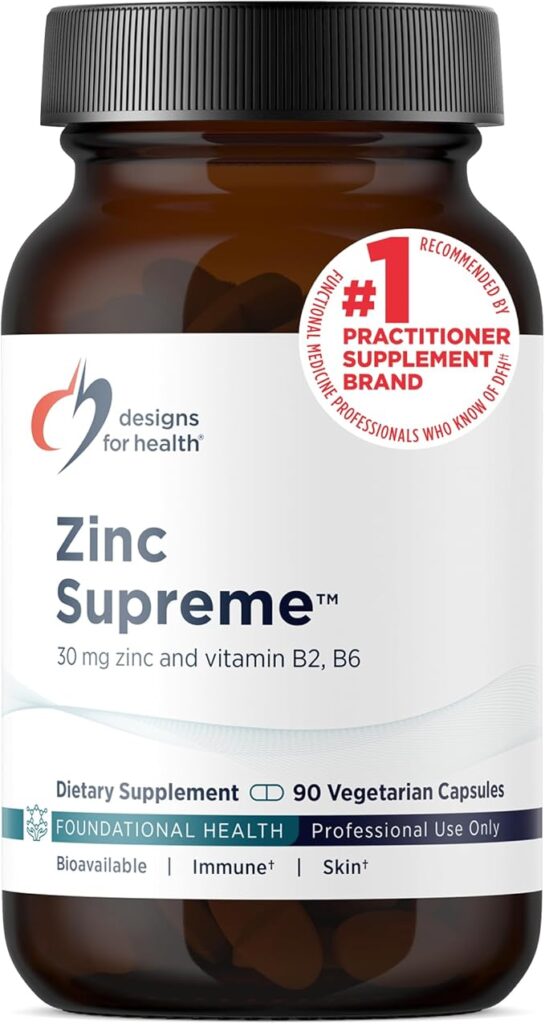
Key Ingredients
| Ingredient | Amount | Form |
|---|---|---|
| Zinc | 30 mg | Bisglycinate Chelate (Albion TRAACS®) |
| Vitamin B6 | 5.2 mg | Pyridoxal-5-Phosphate (active form) |
| Riboflavin B2 | 2.8 mg | Active cofactor |
| Molybdenum | 50 mcg | Bisglycinate Chelate |
| Taurine | 400 mg | Cellular osmoprotectant |
| Malic Acid | 200 mg | Energy cycle support |
1 capsule | 90 servings | Vegan, Non-GMO, Gluten-Free
Why It’s #1 for Men
This is what a physician-grade zinc actually looks like. The Albion TRAACS® bisglycinate chelate delivers superior mucosal absorption with minimal GI irritation — far above oxide or sulfate forms.
The cofactor stack is what truly separates it. B6 as P-5-P is the active, pre-converted form that directly drives zinc-dependent enzymatic processes including testosterone metabolism. Most brands use cheaper pyridoxine HCl that still needs liver conversion. Taurine at 400 mg is a clinically meaningful dose — not a token add-on — supporting testicular function and antioxidant enzyme activity. Molybdenum supports xanthine oxidase, a zinc-dependent enzyme central to purine catabolism.
At 30 mg, the dose sits within the clinical range for deficiency correction (25–45 mg/day) without approaching the 40 mg tolerable upper limit. Recommended by over 50,000 physicians, Designs for Health is the #1 practitioner brand per the 2023 Ipsos survey.
Safety & How to Take It
Take 1 capsule daily with a meal. Space 2+ hours from antibiotics or iron supplements. Bisglycinate chelate is among the most GI-friendly zinc forms — nausea risk is very low.
Pros & Cons
Pros: Albion TRAACS® chelate; active P-5-P B6; clinically designed cofactor stack; third-party tested; vegan and allergen-free.
Cons: Premium price; no copper included for extended use.
Customer Feedback
“Finally a zinc that doesn’t make me queasy — and I can feel a difference in my energy after two weeks.” — Verified Amazon buyer. Improved energy and immune resilience are the two most cited benefits.
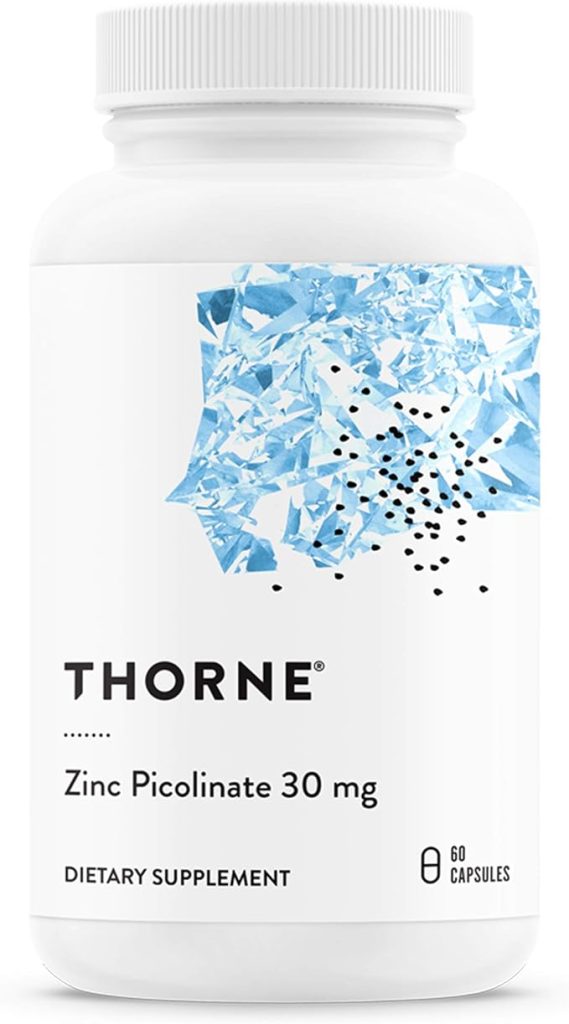
2. Thorne – Zinc Picolinate (30mg)
Key Ingredients
| Ingredient | Amount | Form |
|---|---|---|
| Zinc | 30 mg | Zinc Picolinate |
1 capsule | 60 or 180 servings | Gluten/Dairy/Soy-Free | NSF Certified for Sport
The Athlete’s Gold Standard
NSF Certified for Sport® means every batch is screened against 290+ substances banned by USADA and WADA. That’s independent verification, not a marketing claim. Trusted by 100+ professional sports teams and the #1 clinically recommended brand (2023 Health-Care Practitioner Seller Survey).
Picolinic acid — naturally produced from tryptophan — forms a charge-neutral complex with zinc that crosses intestinal epithelium efficiently. Research by Prasad et al. (*Nutrition*) confirmed that zinc-deficient men who supplemented showed significant testosterone restoration. At 30 mg, this formula stays in the optimal therapeutic window without triggering copper depletion.
Four ingredients total: zinc picolinate, microcrystalline cellulose, hypromellose, leucine, silicon dioxide. If you want to know exactly what you’re taking, nothing comes cleaner.
Safety & How to Take It
1 capsule daily. Athletes: take post-workout or with the evening meal — zinc supports overnight testosterone pulsatility and muscle recovery.
Pros & Cons
Pros: NSF Certified for Sport; hyper-pure formula; verified purity; no banned substances; 30 mg clinical dose.
Cons: No synergistic cofactors; no copper included.
Customer Feedback
“I’ve been on Thorne for 6 months. Recovery feels faster and I rarely get sick in winter.” — Amazon verified buyer. The NSF certification is the most cited trust factor across all reviews.
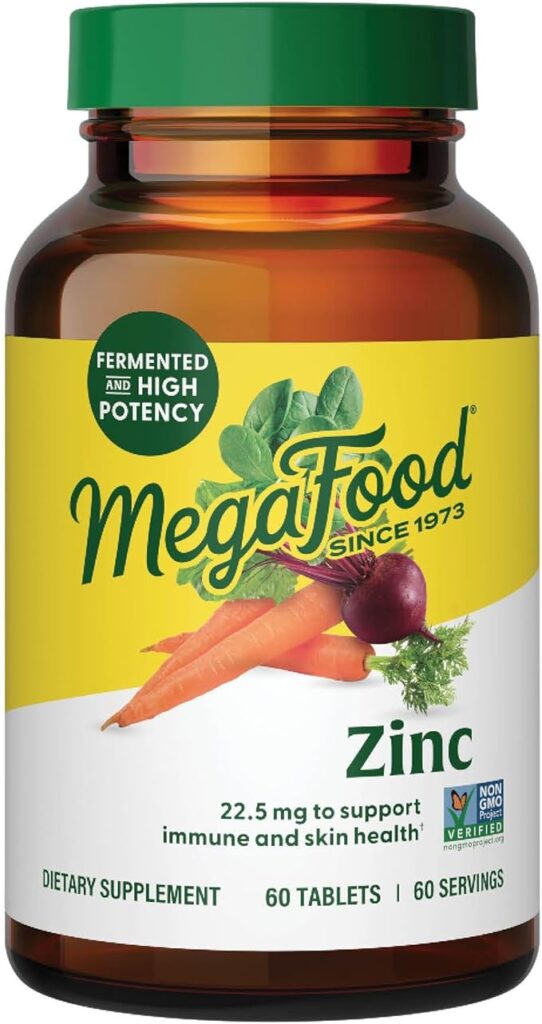
3. MegaFood – Zinc (22.5mg)
Key Ingredients
| Ingredient | Amount | Form |
|---|---|---|
| Zinc | 22.5 mg | Fermented Zinc Bisglycinate (whole-food matrix) |
| Nourishing Food Blend | 44 mg | Organic spinach, broccoli, carrot, brown rice, beetroot |
1 tablet | 60 servings | Vegan, Kosher, Gluten-Free | Safe on empty stomach
Zero Nausea, Real Food Delivery
MegaFood ferments zinc bisglycinate into an organic whole-food matrix — your body processes it like actual food. The result: virtually zero zinc nausea, even on an empty stomach. That’s genuinely rare, and it’s the single biggest pain point this formula solves.
At 22.5 mg, this is calibrated for long-term daily maintenance, not aggressive deficiency correction. The food blend adds spinach and broccoli phytonutrients, and beetroot supports nitric oxide pathways relevant to men’s cardiovascular health.
Safety & How to Take It
1 tablet daily with any beverage, any time of day — even without food. This is the only zinc on this list that legitimately supports that claim.
Pros & Cons
Pros: Fermented whole-food delivery eliminates nausea; empty stomach safe; organic food matrix adds phytonutrient value; vegan and kosher.
Cons: Lower dose not ideal for significant deficiency correction; no isolated cofactors like B6.
Customer Feedback
“I’ve tried 4 zinc supplements. This is the only one I can take without feeling sick.” — Verified buyer. The no-nausea claim dominates every review thread.
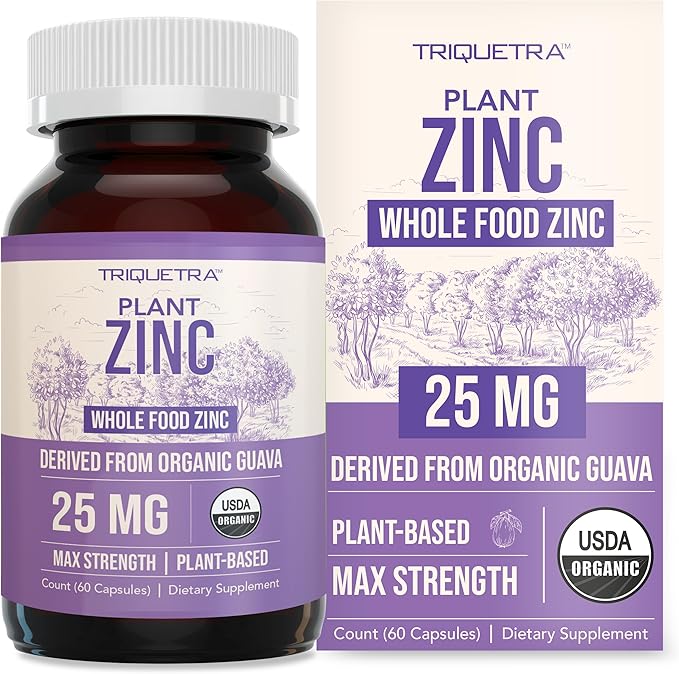
4. Triquetra Health – Organic Zinc (25mg)
Key Ingredients
| Ingredient | Amount | Form |
|---|---|---|
| Zinc | 25 mg | Water-extracted from certified organic guava fruit |
1 capsule | 60 servings | Vegan, Non-GMO, Gluten-Free | Organic pullulan capsule
The Clean-Label Purist’s Pick
No synthetic mineral chemistry here. Triquetra uses water-based extraction from certified organic guava fruit, delivering zinc bound to native flavonoids, polyphenols, and beta-sitosterol — the way the plant carries it. Guava leaves (Psidium guajava) are validated in ethnopharmacological research as a zinc-rich source with bioactive co-compounds. Beta-sitosterol shows preliminary evidence supporting androgen activity — relevant for men focused on hormonal health.
At 25 mg, it bridges the gap between MegaFood’s maintenance dose and Thorne’s full clinical dose — suitable for both daily maintenance and moderate deficiency correction. Zero stearates, organic pullulan capsule, no fillers. GMP-certified; third-party tested for purity and potency.
Safety & How to Take It
1 capsule daily with or without food. Plant-derived zinc is gentle on digestion. Monitor copper balance with extended long-term use above 25 mg daily.
Pros & Cons
Pros: 100% plant-sourced organic guava; native co-factors retained; cleanest capsule ingredients on this list; third-party tested.
Cons: Not widely available on Amazon; whole-food zinc bioavailability is less studied than picolinate or bisglycinate chelate.
Customer Feedback
Customers consistently highlight zero digestive discomfort and trust in the brand’s clean-label integrity. Triquetra is trusted by over 2 million customers globally.
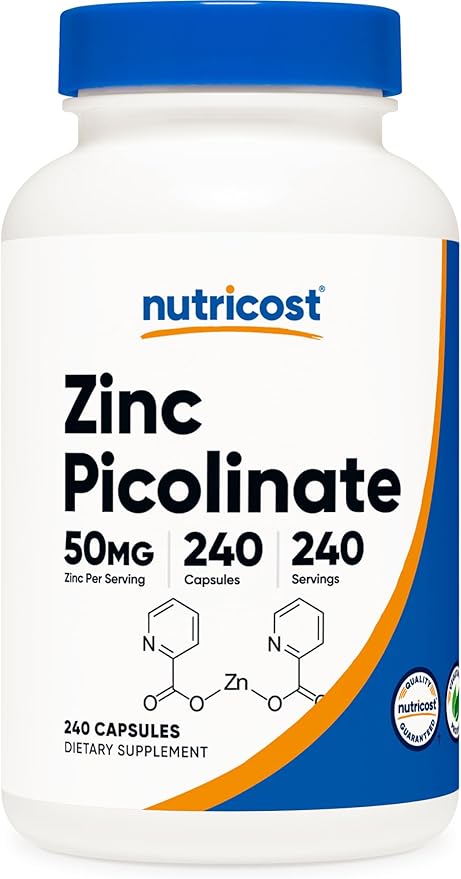
5. Nutricost – Zinc Picolinate (50mg)
Key Ingredients
| Ingredient | Amount | Form |
|---|---|---|
| Zinc | 50 mg | Zinc Picolinate |
Other ingredients: Rice Flour, Hypromellose Capsule, Vegetable Magnesium Stearate | 120 servings | Non-GMO, Gluten-Free | GMP-compliant
Budget Pick That Doesn’t Cut Corners on Form
Nutricost skips zinc oxide — the cheap, poorly absorbed form used by most budget brands — and uses zinc picolinate instead. Same highly bioavailable chelated form as Thorne, at nearly half the price per serving. The formula is minimal and clean: picolinate zinc, rice flour, hypromellose capsule. GMP-compliant manufacturing and non-GMO certification.
The 50 mg dose needs a clinical disclaimer: this is a therapeutic dose, not a daily maintenance dose. For long-term daily use, consider splitting into 25 mg twice daily. At 50 mg daily beyond 4 weeks, copper supplementation of 1–2 mg/day is essential to prevent secondary deficiency — the NIH’s explicit guidance for this dose range.
Safety & How to Take It
Always take with food at this dose. If using beyond 4 weeks, add a copper supplement (1–2 mg/day). Consider splitting the dose for better tolerance and absorption efficiency.
Pros & Cons
Pros: Premium picolinate form at a budget price; clean minimal formula; non-GMO; GMP-compliant; 120-capsule supply.
Cons: 50 mg needs copper pairing for extended use; no cofactors; not ideal as a standalone long-term daily supplement.
Customer Feedback
“Solid quality, neutral taste, no side effects for me. It has become a staple in my routine.” — iHerb verified reviewer. The value-for-quality ratio is the top cited positive across platforms.
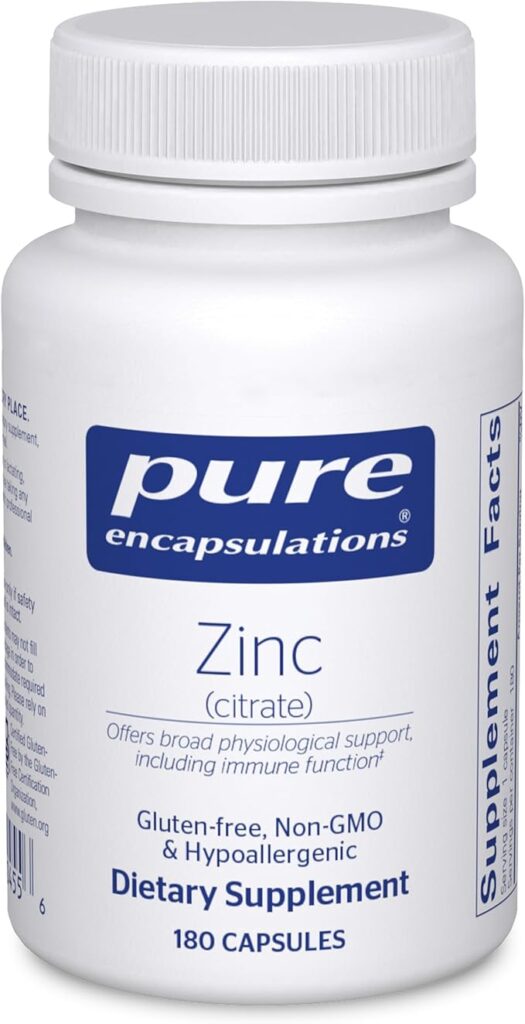
6. Pure Encapsulations – Zinc Citrate (30mg)
Key Ingredients
| Ingredient | Amount | Form |
|---|---|---|
| Zinc | 30 mg | Zinc Citrate |
Other ingredients: Hypoallergenic plant fiber (cellulose), vegetarian capsule, ascorbyl palmitate | 180 servings | Vegan, Non-GMO, allergen-free manufacturing
When Purity Isn’t Optional
Men with severe food sensitivities, IBD, or hyperreactive digestion gravitate here — and the formula earns that trust. Zinc citrate is a reliably absorbed organic salt — significantly superior to oxide or gluconate, and consistently well-tolerated. The ascorbyl palmitate (vitamin C ester) used as an antioxidant stabilizer also modestly supports zinc absorption.
Pure Encapsulations operates under hypoallergenic manufacturing protocols — no artificial additives, GMOs, or allergen cross-contamination. At 180 capsules per bottle, it’s also one of the best per-serving values among premium brands at 30 mg.
Safety & How to Take It
1 capsule daily with a meal. Outstanding tolerability profile — one of the least likely to cause GI discomfort on this list.
Pros & Cons
Pros: Hypoallergenic manufacturing; free from all major allergens; 180-capsule supply; vegan; no unnecessary excipients.
Cons: Zinc citrate slightly less studied than picolinate for absorption; no cofactors or copper included.
Customer Feedback
“Does the job without the junk found in competing brands. Professional grade, no compromises.” — Amazon verified buyer. Practitioners and patients with digestive conditions consistently rate it among the most reliable zinc options available.
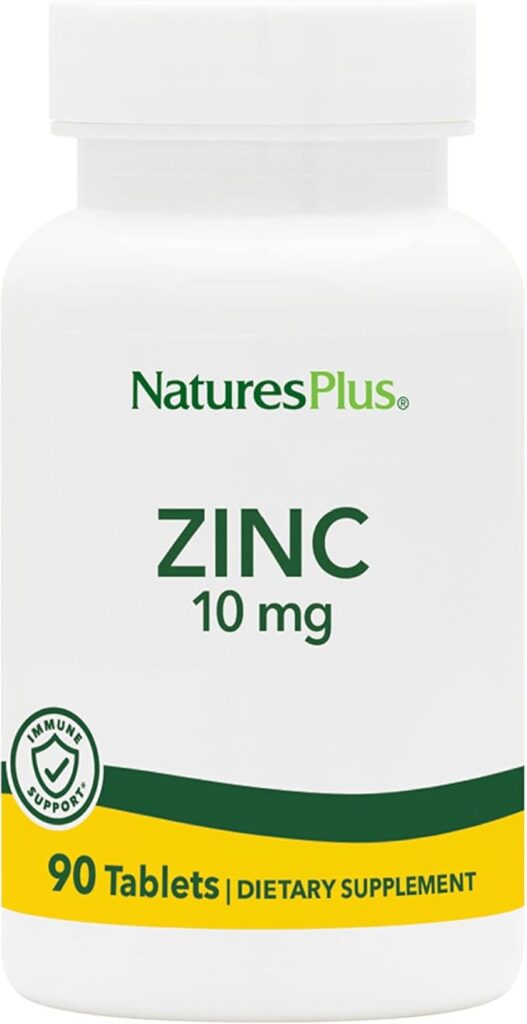
7. NaturesPlus – ImmunActin Zinc Lozenges (10mg)
Key Ingredients
| Ingredient | Amount | Notes |
|---|---|---|
| Zinc (as Zinc Aspartate) | 10 mg | Per lozenge; up to 3x daily |
| Echinacea, Elderberry, Olive Leaf, Goldenseal, Astragalus | Proprietary blend | Immune botanicals |
Form: Lozenge (Wild Cherry) | 60 lozenges | Vegan, Gluten-Free | NSF registered facility
Acute Respiratory Defense — Not an Everyday Supplement
This fills a specific role and fills it well. A Cochrane Review meta-analysis confirmed zinc lozenges reduce cold duration when initiated within 24 hours of symptom onset. By dissolving in the mouth, zinc ions directly reach oropharyngeal mucosa — exactly where rhinoviruses attach — before systemic absorption even occurs. That’s a mechanistically different benefit than swallowing a capsule.
The botanical stack adds real value: elderberry (Sambucus canadensis) has RCT evidence for shortening respiratory infections; echinacea activates innate immune responses; olive leaf oleuropein has antiviral properties. At up to 3 lozenges daily, you reach 30 mg during acute illness — appropriate for short-term immune response.
Safety & How to Take It
Dissolve slowly in the mouth — do not chew. Begin at first symptom sign; continue 4–5 days. Not for chronic daily use as a primary zinc source. Goldenseal is unsuitable during pregnancy.
Pros & Cons
Pros: Clinically appropriate lozenge delivery; immune botanical stack; localized throat and sinus protection; NSF-registered facility; vegan.
Cons: Too low a dose for systemic zinc maintenance; contains cane sugar and fructose; proprietary blends obscure individual herb doses.
Customer Feedback
“I keep these in my desk. The moment I feel a scratch in my throat, I start one. I rarely get full colds anymore.” — Amazon buyer. Rapid-response immune use is the consistent theme across all reviews.
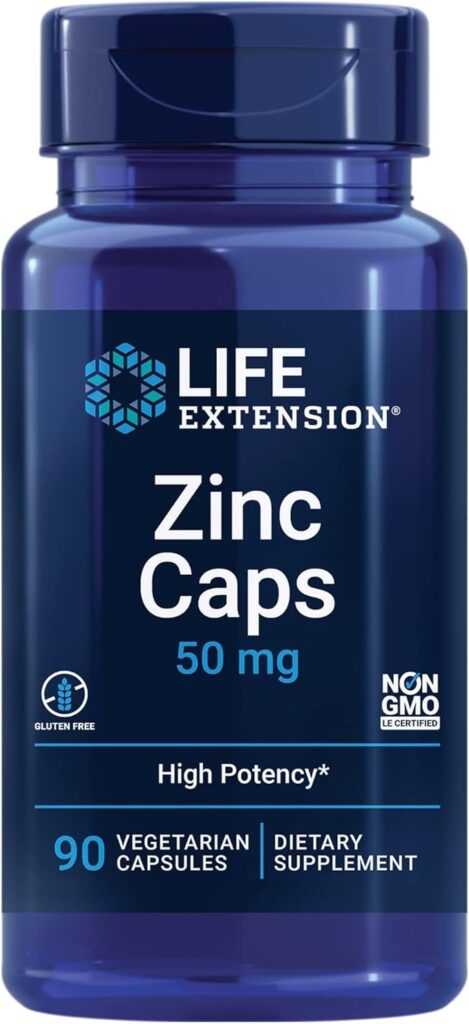
8. Life Extension – Zinc Caps (50mg)
Key Ingredients
| Ingredient | Amount | Form |
|---|---|---|
| Zinc | 50 mg | OptiZinc® (zinc monomethionine) + Zinc Citrate |
1 capsule | 90 servings | Vegan, Non-GMO, Gluten-Free
Dual-Pathway Absorption for High Oxidative Stress
Life Extension combines OptiZinc® (zinc monomethionine) — a Lonza-patented form with documented superior blood-level retention — with zinc citrate for complementary intestinal absorption via different transporter pathways. The result may deliver better total zinc retention than either form alone.
OptiZinc® is a key cofactor for superoxide dismutase (SOD), the body’s primary intracellular antioxidant enzyme. Men with high oxidative stress from intense training, chronic illness, or aging stand to benefit meaningfully. Life Extension’s own labeling carries a clinical note: take 2 mg of copper if using 50 mg zinc daily for more than 4 weeks. That transparency reflects a brand that takes clinical responsibility seriously.
Safety & How to Take It
1 capsule daily with a meal. Add 1–2 mg copper bisglycinate for use beyond 4 weeks. Best for short-term therapeutic protocols or men with documented deficiency and elevated oxidative stress.
Pros & Cons
Pros: Dual-form OptiZinc® + citrate for complementary absorption; strong SOD/antioxidant support; transparent clinical labeling; non-GMO.
Cons: No copper included despite clinical need at 50 mg; high dose requires supervision for extended use.
Customer Feedback
“Life Extension explains the science behind their products, which is why I keep coming back. This zinc has been part of my routine for years.” — Amazon buyer. Older men particularly report visible improvements in immune resilience.
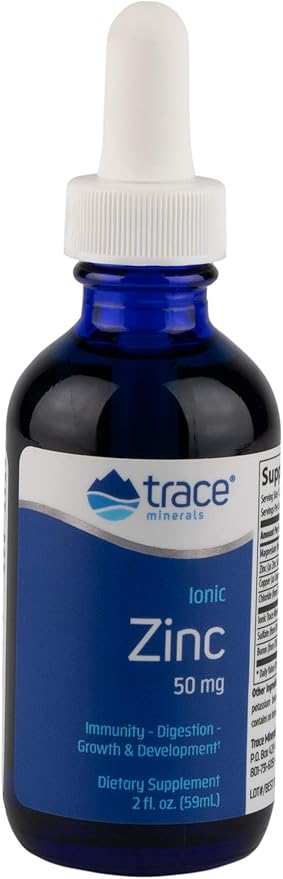
9. Trace Minerals – Ionic Zinc (50mg)
Key Ingredients
| Ingredient | Amount | Notes |
|---|---|---|
| Zinc (as Zinc Sulfate) | 50 mg | Ionic liquid form |
| Copper | 2 mg | 100% RDA — balances zinc |
| ConcenTrace® Trace Minerals | Variable | Full-spectrum ionic mineral complex |
Liquid drops | ~45 servings per 2 fl oz | Vegan, Gluten-Free, third-party tested
Precise Liquid Dosing With Copper Built In
Drop-by-drop control — each drop delivers ~2 mg of ionic zinc sulfate, letting you dial in your exact daily intake. Ionic zinc retains its active electrical charge in solution, making it immediately bioavailable without the dissolution steps that limit tablet and capsule forms.
This formula also includes 2 mg of copper per serving — exactly what’s needed to offset zinc-induced copper depletion at 50 mg. That makes it one of the few high-dose products that proactively manages mineral balance. The ConcenTrace® complex adds magnesium, chloride, and full-spectrum trace minerals — broader mineral support than most dedicated zinc products provide.
The main obstacle is palatability. Zinc sulfate has a sharp, metallic flavor. Mixing into juice is essentially mandatory for most users.
Safety & How to Take It
Take 1.25 mL (¼ tsp) spread throughout the day in juice or a smoothie. Take on a full stomach to reduce nausea risk. Third-party tested for heavy metals — important for liquid mineral products.
Pros & Cons
Pros: Precise micro-dosing flexibility; copper included (proactive mineral balance); immediate ionic absorption; full-spectrum trace minerals; third-party tested.
Cons: Strong metallic taste; less convenient than capsules; zinc sulfate less studied for bioavailability than picolinate or bisglycinate.
Customer Feedback
“The taste is very unpleasant — but this is one of the most effective zinc supplements I’ve used. Mixing it with lemon juice helps a lot.” — iHerb reviewer. Adjustable dosing is the most praised feature among health-conscious users.
10. Jarrow Formulas – Zinc Balance (15mg)
Key Ingredients
| Ingredient | Amount | Form |
|---|---|---|
| Zinc | 15 mg | Zinc L-Methionine Sulfate (L-OptiZinc®) |
| Copper | 1 mg | Copper Gluconate (15:1 zinc-to-copper ratio) |
1 capsule | 100 servings | Vegan, Gluten-Free, allergen-free | GMP facility
The Smart Every-Other-Day Option
Jarrow gets one thing right that almost nobody else bothers with: copper is built into the formula at the correct 15:1 ratio. Zinc L-methionine sulfate (via L-OptiZinc®) resists absorption interference from phytates and dietary fiber — a real advantage for men eating high-fiber, plant-heavy diets where zinc bioavailability from food is already compromised.
At 15 mg, this is the most conservative dose on this list. That’s a feature, not a flaw — it makes Jarrow Zinc Balance ideal for men who eat reasonably zinc-rich diets and want to fill gaps without overshooting. The every-other-day dosing protocol acknowledged right on the label is a sign of clinical self-awareness rare in the supplement industry. Both zinc and copper support superoxide dismutase (SOD) activity, contributing to the body’s endogenous antioxidant defense.
Safety & How to Take It
1 capsule daily or every other day with a meal. Avoid taking with nuts, seeds, legumes, or grains — phytic acid in these foods can blunt zinc absorption even from high-quality forms.
Pros & Cons
Pros: Copper included at correct ratio; L-OptiZinc® resists phytate interference; 100-serving supply; excellent value; allergen-free; vegan.
Cons: 15 mg too low for deficiency correction; not suitable as the primary therapeutic zinc for men with significant depletion.
Customer Feedback
“I’ve been using Jarrow Zinc Balance for years. The copper inclusion is why I keep coming back — I don’t want to create a new deficiency fixing the old one.” — Amazon verified buyer. Long-term daily users who’ve tried multiple zinc products consistently return to this one for its balanced formulation.
Last Words
Choosing the best zinc supplement for men comes down to three things — the right form, the right dose, and the right cofactors.
Zinc oxide is out. Bisglycinate, picolinate, and methionine forms are in. Anything above 30 mg needs copper. And consistency beats occasional high-dose supplementation every time.
Whether you’re optimizing testosterone, shoring up immune defenses, recovering faster from training, or simply filling a dietary gap — there’s a formula on this list built for exactly that goal.
Start with Designs for Health Zinc Supreme if you want the full clinical package. Go Thorne if you’re an athlete. Go MegaFood if your stomach protests everything else.
The right zinc supplement, taken daily, is one of the highest-return minerals you can add to your routine. Your immune system, hormones, and skin will all quietly thank you for it.
FAQs – Zinc Supplements for Men
What is the best form of zinc for absorption?
Zinc bisglycinate chelate and zinc picolinate consistently rank highest in comparative bioavailability studies. Both cross intestinal mucosa efficiently and are gentle on the GI tract. Zinc oxide — found in most cheap multivitamins — has absorption rates as low as 5–10% and should be avoided.
How much zinc do men need daily?
The RDA for adult men is 11 mg/day. The tolerable upper intake level (UL) is 40 mg/day. Therapeutic supplementation for confirmed deficiency uses 25–45 mg/day under clinical guidance for 3–6 months.
Does zinc raise testosterone?
In zinc-deficient men, yes. Prasad et al. (*Nutrition*) demonstrated that zinc restriction significantly lowered serum testosterone, and supplementation reversed it. In men with adequate zinc status, additional supplementation does not push testosterone above normal physiological ranges.
Does zinc deplete copper?
Yes. Zinc and copper compete for the same intestinal transporter (DMT1/ZIP family). At doses above 25–30 mg/day used long-term, pair with 1–2 mg copper daily. At 50 mg doses, this is essential — not optional.
Disclaimer: Written by a licensed physician for informational purposes only. Not medical advice. These statements have not been evaluated by the FDA. Consult your healthcare provider before starting any supplement.