
We only recommend products we love and that we think you will, too. We may receive a portion of sales from products purchased from this article.

Medically reviewed by Dr. A.S.M. Masum Billah, MBBS

Aging doesn’t just affect your joints and memory. It also dials down your body’s ability to absorb and use essential minerals like zinc—a nutrient involved in immune function, wound healing, and even brain health. Seniors are especially prone to zinc deficiency due to poor diet, reduced gut function, or medications that interfere with absorption.
But not all zinc supplements are created equal.
Some forms absorb better. Some are easier on the stomach. Some provide just the right amount—others go overboard. This guide breaks down top 10 best zinc supplements for seniors , analyzing their ingredients, benefits, and how well they serve the needs of people over 60.
Best Zinc & Magnesium Supplements
Why Zinc Supplement Matters More With Age
Zinc isn’t just another trace mineral buried in your multivitamin. After age 60, your body’s ability to absorb and regulate zinc diminishes. This leads to a laundry list of symptoms that often fly under the radar: slower healing, poor immunity, fading taste, and brain fog.
Best Multivitamins for Seniors
Here’s why consistent zinc intake can be a game-changer for seniors:
- Immune strength: Zinc supports T-cell function, helping your immune system fight infections more effectively.
- Skin repair: As you age, skin loses collagen faster. Zinc assists in rebuilding skin integrity and reducing inflammation.
- Cognitive support: Some evidence links zinc deficiency with impaired memory and focus.
- Eye protection: Zinc helps transport vitamin A to the retina—critical for preventing age-related macular degeneration.
If you’re over 60, it’s no longer optional—it’s fundamental.
What to Look For in a Zinc Supplement for Seniors
Buying zinc isn’t as simple as picking the cheapest bottle on Amazon. Here’s what actually matters:
1. Absorption-friendly forms
Zinc picolinate, methionine, or mixed forms like acetate/orotate are easier on older digestive systems. Avoid oxide-only formulas unless they’re part of a blend.
2. The right dosage
The sweet spot for daily zinc intake: 10–30 mg elemental. Anything above 40 mg daily long-term? You’re risking copper depletion.
3. Add-ons that work
Look for supportive ingredients like copper or probiotics that either offset imbalances or enhance delivery.
4. Fewer fillers
Older adults often react poorly to artificial dyes, magnesium stearate, and lactose in low-grade supplements.
5. Real-world convenience
Capsules are easier to digest. Liquids are best for those with swallowing issues. And count matters—some bottles run out in 3 weeks, while others last you till next spring.
Who Should Avoid Zinc Supplements?
While zinc is safe for most, it isn’t for everyone:
- People on antibiotics: Zinc can reduce antibiotic effectiveness—always space doses apart.
- Copper deficiency patients: High-dose zinc worsens this issue.
- Those on chelation therapy: Zinc-copper balance must be monitored closely.
- With kidney or GI conditions: High doses may cause nausea or worsen symptoms.
If you’re unsure, consult a healthcare provider—especially if you’re managing multiple medications or chronic illnesses.
Signs You Might Be Low on Zinc
Seniors are at elevated risk for deficiency, especially if diets are light on meat, legumes, or seeds. Look for these red flags:
- Frequent colds or respiratory infections
- Slow healing cuts or scrapes
- Loss of taste or appetite
- Diarrhea or poor digestion
- Skin conditions (eczema, acne, thinning skin)
- Memory slips, concentration issues
You don’t need to have them all—but even two or three might suggest it’s time to test your levels or consider a low-risk supplement.
Doctor’s Note
With age, our nutritional needs evolve—quietly, but significantly. Zinc is one of those minerals that too often slips under the radar, despite playing a vital role in immune function, wound healing, cognitive clarity, and cellular repair.
For seniors, the challenge is twofold: absorption decreases, while the risk of deficiency increases. But that doesn’t mean higher doses are always the answer. Long-term high-dose zinc can cause copper deficiency, affect iron levels, and even impair immune balance if taken without guidance.
As a physician, I recommend looking for supplements with well-absorbed forms like zinc picolinate or zinc methionine, staying within the safe range of 10–30 mg elemental zinc per day, and considering brief supplement breaks every few months. Used smartly, zinc supplements can be a powerful ally in healthy aging. But like all good things—balance is key.
— Dr. Ethan Caldwell, MD
Board-Certified Internal Medicine Physician
Specialist in Geriatric & Nutritional Health | Seattle, WA
Top 10 Best Zinc Supplements for Seniors Reviews
1. PurePremium Zinc 50 mg – 100 Tablets
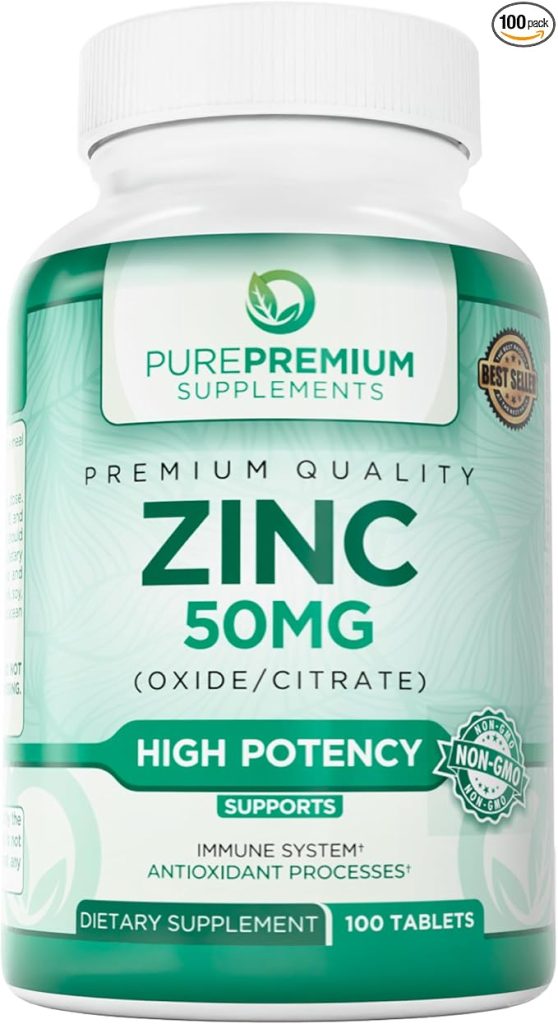
What’s Inside the Bottle
This supplement contains zinc citrate and zinc oxide, delivering 50 mg of elemental zinc per tablet. It’s made in the USA in a certified GMP facility, third-party tested, and free from dairy, soy, and GMOs. Vegan-friendly too.
Why Seniors Might Prefer This
It’s strong. At 50 mg, it’s well above the recommended daily allowance for adults (8 mg for women, 11 mg for men). For seniors with weak immunity or recovering from illness, this kind of high-dose support can be a short-term boost. The dual zinc blend (oxide and citrate) aims to balance potency with absorption.
That said, it’s not for everyone. Prolonged use at this level can mess with copper or iron absorption unless counterbalanced by diet or other supplements.
Where It Really Helps
- Immune Defense: Helps ward off seasonal infections and speeds up recovery.
- Energy & Mood: Users often report feeling a little more energetic and mentally sharp.
- Skin & Wound Healing: May assist in skin regeneration, especially useful for older adults with slower healing.
Best Way to Take It
- One tablet daily with food.
- Avoid pairing it with calcium-heavy meals.
- Take breaks every few weeks or monitor copper levels if using long-term.
Quick Take: Pros and Cons
Pros
- Strong immune support in one pill.
- Clean formula with solid third-party testing.
- Affordable bottle lasts over 3 months.
Cons
- Might be too much zinc for everyday use.
- Some users experience nausea if taken without food.
2. Global Healing Organic Zinc Liquid – 2 Fl Oz
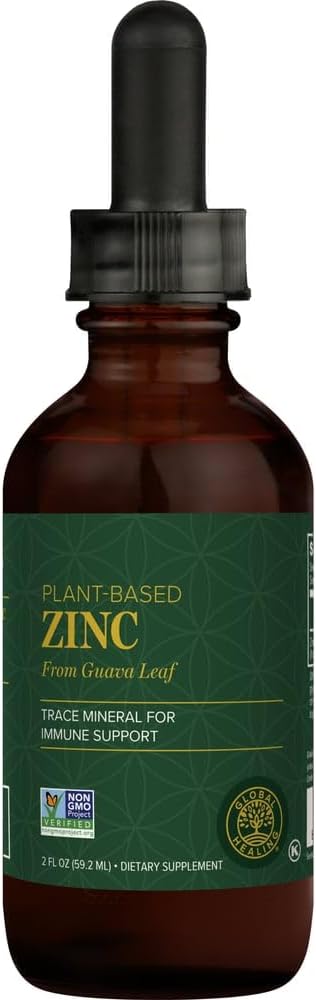
What’s Inside the Dropper
Each 1 mL drop provides 7.5 mg of zinc, derived naturally from guava leaf extract. It’s USDA certified organic, vegan, and also includes trace elements from ormus minerals. The base contains plant glycerin and structured water—no synthetic binders or preservatives.
Why Seniors Might Prefer This
Not everyone wants another pill. For those with digestive issues or difficulty swallowing, this liquid form is a winner. It’s gentle on the stomach, has mild taste, and gives users the flexibility to adjust their dose up or down.
Its zinc is plant-derived, which may make it easier to absorb and less likely to cause side effects. Plus, it’s one of the cleanest ingredient lists out there.
Where It Really Helps
- Digestive Comfort: Zinc oxide often irritates the stomach. This doesn’t.
- Daily Maintenance: Great for staying in the healthy range without risk of overdose.
- Mild Support for Skin & Hormones: A few users noted clearer skin and better mood.
Best Way to Take It
- Start with 1 mL per day (7.5 mg zinc).
- Can be increased to 2–3 mL if needed, but no more than 4 mL per day.
- Shake well before use and take with or without food.
Quick Take: Pros and Cons
Pros
- Ideal for sensitive stomachs.
- Fully organic, plant-based, and adjustable.
- No pills, no binders.
Cons
- Lower strength—may need multiple doses.
- Higher cost per mg compared to tablets or capsules.
3. Double Wood Zinc Picolinate 50 mg – 300 Capsules

What’s Inside the Capsule
Each capsule delivers 50 mg of zinc picolinate, one of the most bioavailable forms of zinc. But here’s the trick: only about 10 mg of that is elemental zinc, which is what your body actually uses. That makes this supplement smartly dosed—right near the RDA for most seniors.
The product is made in the USA, gluten-free, and Non-GMO. Third-party tested with published Certificates of Analysis. The capsule is gelatin-based, so not vegan.
Why Seniors Might Prefer This
This one’s all about absorption. Zinc picolinate is chelated—meaning it’s bonded to a natural acid that improves how much your body actually uses. It’s especially helpful for older adults who struggle with nutrient absorption.
The dose is on point, the form is superior, and the supply is generous (a single bottle lasts nearly a year).
Where It Really Helps
- Cognitive Health: Efficient zinc delivery supports memory and focus.
- Immune Regulation: Strong enough to be effective, but not excessive.
- Everyday Maintenance: Covers daily needs without throwing your mineral balance out of whack.
Best Way to Take It
- One capsule daily with food.
- Pair with copper-rich meals like mushrooms, seeds, or beans.
- Store in a cool, dry place—300 capsules go a long way.
Quick Take: Pros and Cons
Pros
- Gentle dose with superior absorption.
- One capsule covers most daily needs.
- Great long-term value.
Cons
- Capsule contains gelatin (not vegetarian).
- No supporting minerals like copper or selenium.
4. Bronson Zinc Triple Play 30 mg – 100 Vegetarian Capsules

Key Features
- Contains 30 mg zinc, sourced equally from acetate, picolinate, and orotate.
- Vegetarian, non‑GMO, gluten‑ and soy‑free; cGMP-tested in New York. Includes microcrystalline cellulose, magnesium stearate, and silicon dioxide.
Why It’s Best for Seniors
Combining three forms of zinc offers a broader absorption profile. Seniors with variable digestion or nutrient uptake may benefit from this multi-route delivery. Plus, 30 mg keeps intake below the upper limit (UL) while delivering immune-grade strength.
How It Helps
- Immune defense: Acetate boosts immune activation; picolinate enhances absorption; orotate contributes antioxidant benefits.
- Skin health: Orotate’s antioxidant effects may reinforce skin’s barrier function.
- Verified reviews mention fewer seasonal illnesses and quicker healing time.
How to Use
- One capsule daily with food.
- Since it’s below UL, it’s safe for long-term use.
- Pair with copper-rich foods occasionally to balance out trace minerals.
Pros & Cons
Pros
- Multi-form zinc boosts absorption and efficacy.
- Vegan‑friendly capsule, moderate dosage.
- Budget-friendly and well-reviewed.
Cons
- Contains fillers (cellulose, stearate).
- Lacks supporting minerals like copper or vitamin C.
5. Ancient Nutrition Zinc + Probiotics – 20 mg Zinc, 30 Capsules
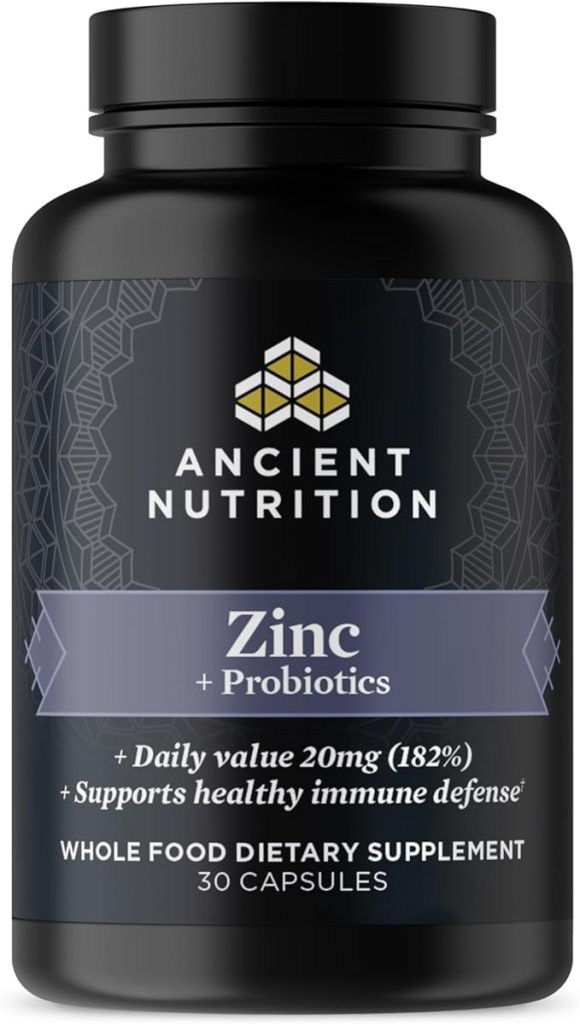
Key Features
- Delivers 20 mg enzyme-activated zinc and 2 billion CFU Bacillus subtilis (soil-based probiotic).
- Vegan, gluten-free capsule with organic acacia gum and plant wax; third-party tested.
Why It’s Best for Seniors
Combines gut and immune support—critical for seniors whose immunity heavily relies on gut microbiome health. The synergistic formula addresses digestive absorption and common age-related gut changes.
How It Helps
- Digestive resilience: Bacillus subtilis supports nutrient absorption and balanced gut flora.
- Immune system: Zinc strengthens immune cell production, while probiotics bolster mucosal defenses.
- Users highlight improved digestion and fewer bloating episodes.
How to Use
- Take one capsule with a beverage daily.
- No food required, but pairing with a meal may enhance probiotic survival.
- Rotate monthly: one month on, a few weeks off, to maintain gut diversity.
Pros & Cons
Pros
- Dual action—supports gut and immune together.
- Enzyme-activated zinc is easily absorbed.
- Clean, plant-based formula.
Cons
- Only 30 capsules—monthly supply.
- Lower zinc dose might require supplementing elsewhere.
6. NutriFlair Zinc Picolinate 50 mg – 120 Capsules
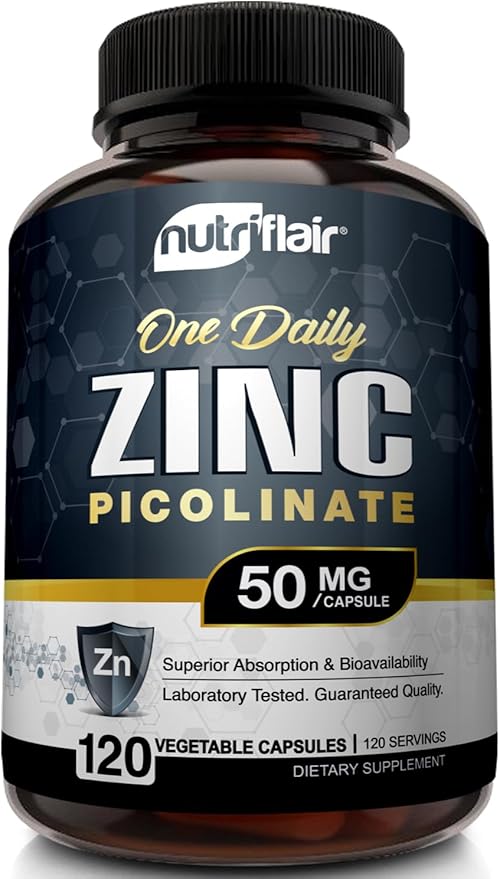
Key Features
- Each capsule contains 50 mg zinc picolinate, a highly absorbable chelated form. Gluten-free, non-GMO.
- Compare to citrate, gluconate, and oxide for better uptake.
Why It’s Best for Seniors
Picolinate is one of the most bioavailable zinc forms—ideal for seniors facing digestive challenges. Delivers potent yet efficient nutrient support.
How It Helps
- Cognitive clarity: Zinc is critical for neurotransmitter production and brain function.
- Immune reinforcement: High-quality chelate form gives steady immune support.
- Users often cite improved clarity and fewer cold symptoms.
How to Use
- One capsule daily with food.
- Safest to consume every other day to stay near UL thresholds.
- Alternate months with a copper-inclusive multivitamin to avoid deficiency.
Pros & Cons
Pros
- Superior absorption.
- Good balance between potency and safety.
- Large bottle provides a 4-month supply.
Cons
- Gelatin capsule—not vegetarian.
- High dose requires deliberate intake scheduling.
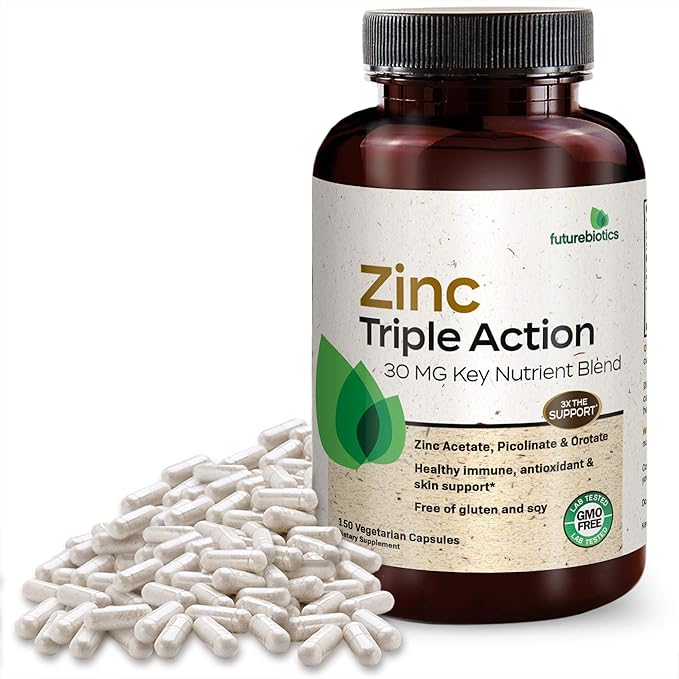
7. Futurebiotics Zinc Triple Action 30 mg – 150 Vegetarian Capsules
Key Features
- Delivers 30 mg zinc via acetate, picolinate, and orotate in a vegetarian capsule. Independent QC testing performed.
Why It’s Best for Seniors
Offers multi-route zinc uptake with a moderate dosage that’s safe for long-term use. High capsule count supports sustainable supplementation.
How It Helps
- Balanced mineral delivery: mirrors Bronson’s approach, but in larger quantity.
- Consistent coverage with daily dose under UL.
- Customer feedback shows less fatigue and fewer minor infections.
How to Use
- One capsule once a day with a meal.
- Keep daily intake close to 30 mg, with periodic copper checks.
Pros & Cons
Pros
- Multi-form zinc for robust absorption.
- Good value: 150 capsules per bottle.
- Vegetarian and tested.
Cons
- Includes standard veggie capsule fillers.
- No additional nutrients like vitamin C.
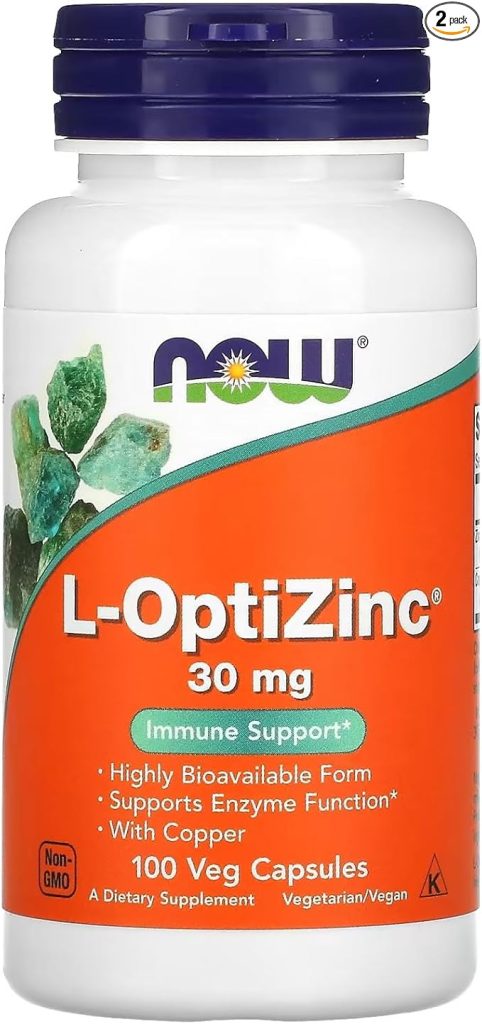
8. NOW Foods Zinc Methionine – 200 Capsules
Key Features
- Zinc chelated with methionine, an amino acid that enhances uptake. Includes copper to support enzyme function. One capsule daily.
Why It’s Best for Seniors
Methionine-chelate targets high absorption in older adults. Added copper helps maintain mineral equilibrium—critical for seniors prone to imbalances.
How It Helps
- Superior absorption: Methionine binding facilitates uptake even in suboptimal digestive conditions.
- Trace mineral balance: Copper inclusion mitigates common depletion during zinc use.
How to Use
- One capsule per day, preferably with breakfast.
- No more than 40 mg elemental zinc intake total.
- Monitor yearly with a healthcare provider.
Pros & Cons
Pros
- Chelated for high bioavailability.
- Contains copper—targets mineral synergy.
- Capsule supply lasts over six months.
Cons
- Methionine form less commonly studied than picolinate.
- Contains copper—consult provider if on chelation therapy.
9. Nature’s Bounty Zinc 50 mg – 250 Vegetarian Caplets

Key Features
- 50 mg zinc gluconate per caplet (~455% DV).
- Vegetarian caplet; free from gluten, milk, soya, artificial colors/flavors.
- 250-count bottle offers long-term supply at a budget-friendly cost.
Why It’s Best for Seniors
For those seeking a straightforward, no-frills solution with high-dose zinc, this delivers exactly that. Its large quantity supports consistent supplementation, and the vegetarian formula is accessible.
How It Helps
- Immune and antioxidant support: High-dose zinc gluconate helps combat infections and oxidative stress.
- Skin integrity: Supports collagenase, aiding skin repair—a valuable benefit for aging skin.
How to Use
- Take one caplet daily with a meal.
- Consider cycling (e.g., 8 weeks on, 2 weeks off) to prevent excessive zinc buildup.
- Eat copper-rich foods (nuts, seeds) on off weeks to maintain balance.
Pros & Cons
Pros
- Cheap per dose; excellent for budget-conscious consumers.
- Large supply reduces frequent reordering.
- Vegetarian and free from common allergens.
Cons
- High dose exceeds UL—long-term use requires supervision.
- Basic formulation (gluconate only) lacks enhanced absorption features.
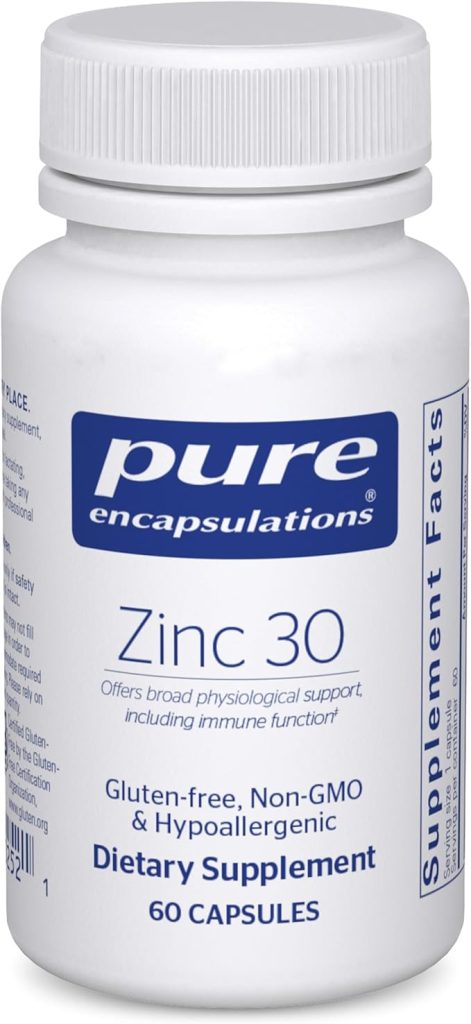
10. Pure Encapsulations Zinc 30 mg – 60 Capsules
Key Features
- 30 mg zinc picolinate per capsule (~273% DV), a highly bioavailable form.
- Vegan, allergen-free, with minimal base ingredients and no unnecessary fillers.
- Made with strict purity standards; verified by third-party testing.
Why It’s Best for Seniors
Provides a focused, high-quality dose in a clean, patient-friendly delivery. Ideal for older adults concerned about absorption and ingredient purity.
How It Helps
- Immune maintenance: Picolinate supports enzymes vital for immune responses.
- Metabolic processes: Zinc aids digestion and energy production; picolinate enhances tissue uptake.
- Tissue health: Backed by research highlighting picolinate in supporting collagen and skin repair.
How to Use
- One capsule daily, ideally with food or between meals.
- Use in cycles (e.g., 6–8 weeks, then break), per label guidance.
- Avoid other zinc supplements during cycles to prevent overconsumption.
Pros & Cons
Pros
- Clean formula with excellent absorption.
- Moderate dose—effective but safe.
- Vegan capsule and strong lab testing.
Cons
- Higher per-capsule cost limits supply to two months.
- Requires cycling to maintain ideal mineral status.
Final Verdict
- Best overall value: Nature’s Bounty delivers high-dose zinc gluconate in bulk—great for immune boosts, but requires mindful cycling.
- Best purity and absorption: Pure Encapsulations offers clean, picolinate-form zinc ideal for seniors who prioritize gut comfort and nutrient uptake.
- Best multi-route absorption: Bronson and Futurebiotics (from earlier segments) leverage mixed zinc forms; these are practical long-term options just under UL.
- Best gentle option: Global Healing liquid remains best for those avoiding pills; though low-dose, it’s easiest on digestion.
- Best gut-immune blend: Ancient Nutrition excels for those needing probiotic support alongside zinc.
Can Zinc Supplements Replace Diet?
Short answer? No. The best zinc supplements for seniors support a zinc-friendly diet—they don’t override it.
Some of the best natural sources of zinc include:
- Oysters (by far the richest source)
- Beef, lamb, turkey
- Lentils, chickpeas, pumpkin seeds
- Cashews, almonds
- Quinoa, fortified cereals
For vegetarians and older adults with reduced appetite, even the best meals may fall short—which is exactly where a good supplement comes in.
How to Rotate or Cycle Zinc Safely
Zinc isn’t meant to be taken at high doses year-round.
Here’s a rotation approach that works for most seniors:
- Mild supplementation (≤15 mg/day): Safe for ongoing use without breaks
- Moderate (30 mg/day): Take for 8–12 weeks, then 2–4 weeks off
- High dose (≥50 mg/day): Use for 4–6 weeks, only during stress or illness, and re-evaluate with a provider
Always check if your multivitamin or other supplements already include zinc before adding another.
Frequently Asked Questions (FAQs)
1. Is it safe to take zinc every day if I’m over 60?
Yes, but dose matters. The recommended dietary allowance (RDA) for zinc is 11 mg/day for men and 8 mg/day for women. Occasional use of 20–30 mg is generally safe, but exceeding 40 mg of elemental zinc daily over a long period can lead to copper deficiency and impaired immunity. Always consider zinc from all sources—supplements, multivitamins, and food.
2. Which form of zinc is best for absorption in seniors?
Zinc picolinate and zinc methionine are often considered the most bioavailable forms. These are easier for older adults to absorb due to age-related changes in digestion. Zinc acetate and zinc orotate also perform well, particularly in immune-focused blends. Avoid relying on zinc oxide alone, as it’s poorly absorbed unless part of a formula.
3. Should I take zinc with food or on an empty stomach?
Always with food. Zinc—especially in higher doses—can cause nausea, stomach cramps, or even vomiting if taken without a meal. A light breakfast or lunch is ideal. Avoid combining with calcium, iron, or fiber supplements at the same time, as these can compete for absorption.
4. Can zinc improve my memory or brain health?
There is emerging evidence linking zinc deficiency to poor memory, reduced cognitive speed, and mood disorders in older adults. While zinc isn’t a magic bullet, it does play a supporting role in neurotransmitter function and brain tissue repair. Supplementation may help, especially if your levels are low, but it’s not a substitute for managing blood pressure, sleep, and exercise.
5. How long should I take zinc supplements?
That depends on the dose and your reason for taking it:
- Low doses (10–15 mg): Can be used continuously
- Moderate (30 mg): Safe for up to 12 weeks, then take a short break
- High doses (50 mg+): Only take for 4–6 weeks unless under medical supervision
Seniors should reassess every 3 months, especially if they also take multivitamins or have dietary changes.
6. What are signs I might be getting too much zinc?
Watch for subtle signs of zinc overload, especially with daily high-dose intake:
- Nausea or vomiting
- Metallic taste in the mouth
- Fatigue or headaches
- Lowered immunity (from copper depletion)
- Gastrointestinal upset or frequent diarrhea
These symptoms often disappear when zinc intake is reduced or cycled off. If symptoms persist, consult your doctor and test copper levels.
Final Thoughts
Choosing the best zinc supplement after 60 means weighing dose, absorption, and ingredient purity. Whether your priority is immune boost, skin resilience, digestion, or nutrient availability, there’s a clear top option:
- Go high-dose piont with Nature’s Bounty (watch cycles).
- Go clean and targeted with Pure Encapsulations.
- Lean into multi-form absorption with Bronson/Futurebiotics.
- Opt for gentle if digestion is an issue.
Stick to expert-recommended cycling. Monitor overall diet to maintain trace mineral equilibrium. With this round-up, seniors can supplement confidently—without overthinking it.