
If weight loss has been a long, emotionally draining journey for you, I want to start here—not with ingredients, not with claims, and not with promises.
Most people who search for weight-loss supplements are not careless or uninformed. They are tired. Tired of hunger that never quiets down. Tired of seeing the scale refuse to cooperate despite effort. Tired of being told that “discipline” is the missing ingredient.
From a professional standpoint, this is the truth:
Weight loss difficulty is almost never a motivation problem.
It is a physiology problem influenced by modern life—stress, poor sleep, metabolic adaptation, insulin resistance, muscle loss, and appetite dysregulation.
Supplements do not force fat loss.
They support systems that allow fat loss to occur without constant struggle.
That distinction is the foundation of this entire article.
Best Nagano Lean Body Tonic for Weight Loss
How to Think About Weight-Loss Supplements Without Being Misled

Before discussing supplement types, it’s important to reframe expectations.
Supplements are not solutions.
They are supportive tools.
They work best when one or more of the following is true:
- Hunger feels excessive for your calorie intake
- Cravings derail otherwise reasonable eating
- Blood sugar swings leave you drained
- Stress drives emotional or night-time eating
- Sleep is poor
- Muscle mass is declining during dieting
Every effective supplement category targets one or two of these barriers. None address all of them.
If a product claims to do everything, it usually does nothing well.
Protein Supplements — The Cornerstone of Sustainable Fat Loss
If this article could only recommend one supplement category, protein would be it. Not because it is trendy—but because it is reliably effective across age groups, sexes, and dieting styles.
Why protein matters during weight loss
When calories are reduced, the body adapts in predictable ways:
- Hunger hormones increase
- Energy expenditure decreases
- Lean muscle mass is lost
Protein intake helps blunt all three responses.
Adequate protein:
- Increases satiety hormones (PYY, GLP-1)
- Reduces spontaneous calorie intake
- Preserves lean muscle tissue
- Slows metabolic slowdown
These effects are consistently supported by nutrition research.
Who benefits the most from protein supplementation
- People who feel hungry again shortly after meals
- Adults over 30–35, when muscle loss accelerates
- Anyone losing weight but also losing strength
- People skipping breakfast or eating low-protein meals
What protein supplements are — and are not
Protein supplements do not burn fat.
They do something far more valuable: they make eating less tolerable without misery.
For many people, that is the difference between temporary weight loss and long-term success.
Fiber Supplements — Appetite Control Without Stimulation
Fiber is one of the most overlooked tools in weight management, particularly in people consuming modern, processed diets.
How fiber supports weight loss
Fiber influences weight through several quiet but powerful mechanisms:
- Slows gastric emptying, extending fullness
- Increases food volume without calories
- Reduces post-meal blood sugar spikes
- Feeds gut bacteria associated with metabolic health
Low fiber intake keeps hunger signals loud, even after eating enough calories.
Who benefits most from fiber supplements
- Frequent snackers
- People who struggle with portion control
- Individuals with blood sugar fluctuations
- Anyone consuming few vegetables or whole foods
A note on tolerance
Fiber should be increased gradually. Temporary bloating is not a failure—it’s a sign your gut microbiota is adapting.
GLP-1 and Satiety-Supporting Supplements
GLP-1 is a gut hormone that slows digestion, enhances fullness, and reduces appetite. Prescription medications act strongly on this pathway. Supplements act subtly.
What supplements in this category may do
Certain nutrients and plant compounds may:
- Support natural GLP-1 release after meals
- Help you feel full sooner
- Reduce overeating episodes
Who this category suits best
- People who overeat despite structured meals
- Those who feel hungry again too quickly
- Individuals struggling with portion awareness
Honest expectations
These supplements do not replicate medication effects. Their value lies in small but meaningful improvements in appetite signaling.
For some people, that shift changes everything.
Blood Sugar and Insulin-Support Supplements

Weight loss becomes significantly harder when insulin signaling is impaired—even in people without diabetes.
When insulin resistance is present:
- Fat storage increases
- Energy crashes occur after meals
- Hunger returns quickly
- Carb cravings intensify
How these supplements may help
Certain compounds may:
- Improve insulin sensitivity
- Reduce glucose spikes after meals
- Support metabolic flexibility
Who should pay attention here
- Central or abdominal weight gain
- Strong cravings for refined carbohydrates
- Fatigue after eating
- Family history of metabolic disorders
These supplements work gradually. They are not dramatic—but they often make progress possible where it previously felt stalled.
Thermogenic Supplements — Useful for Some, Problematic for Others
Thermogenics aim to increase energy expenditure, usually through stimulants.
Potential benefits
- Slight increase in daily calorie burn
- Improved workout intensity
- Reduced perceived fatigue during dieting
Real-world limitations
- Tolerance develops quickly
- Sleep quality may worsen
- Anxiety may increase
- Appetite suppression often rebounds
Who should approach cautiously
- Individuals with anxiety
- Poor sleepers
- High-stress lifestyles
- Sensitivity to caffeine
If stress is already driving eating behavior, stimulants often worsen outcomes rather than improve them.
Stress-Support Supplements — Often the Missing Link
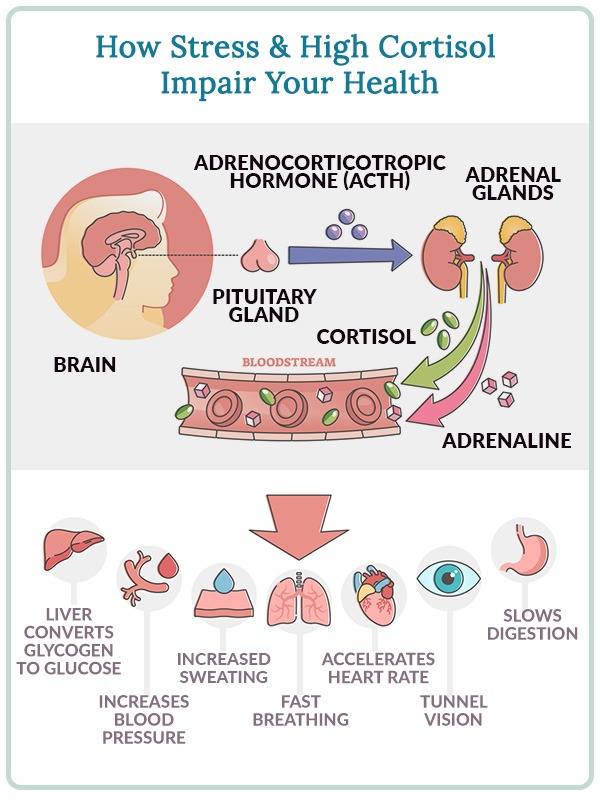
Chronic stress elevates cortisol. Elevated cortisol promotes fat storage, particularly in the abdominal region.
Many people don’t overeat because they’re hungry.
They eat because they are mentally exhausted.
How stress-support supplements may help
- Improve stress resilience
- Reduce emotional eating
- Support nervous system balance
- Indirectly improve sleep quality
Who benefits most
- Night eaters
- Stress-driven snackers
- People dieting aggressively
- Those experiencing burnout
Addressing stress is not indulgent—it is metabolically relevant.
Sleep-Support Supplements — Fat Loss Continues at Night
Sleep deprivation disrupts nearly every hormone involved in appetite and metabolism.
When sleep suffers:
- Hunger hormones increase
- Satiety hormones decrease
- Insulin sensitivity worsens
- Muscle recovery declines
How sleep-support supplements may help
- Improve sleep onset or quality
- Reduce late-night eating
- Support hormonal recovery
These supplements do not cause fat loss—but they remove a major physiological barrier to it.
Muscle-Preserving Supplements — Protecting Your Metabolism
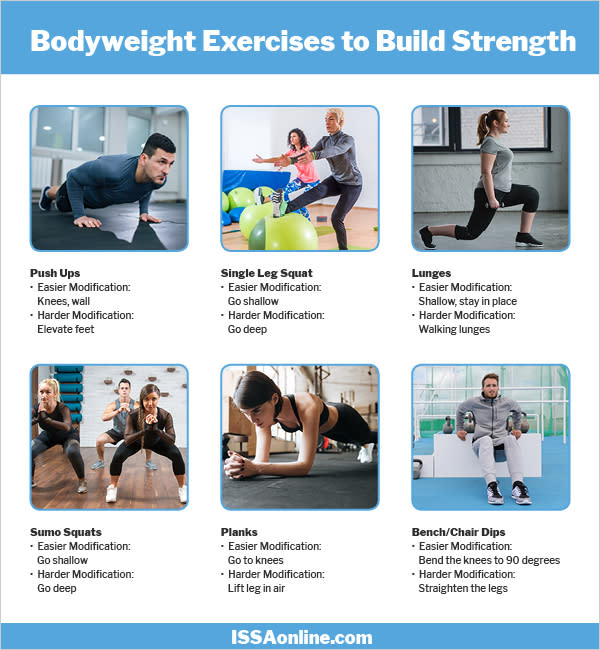
Muscle is metabolically active tissue. Losing muscle during weight loss slows metabolism and increases regain risk.
Why muscle preservation matters
- Higher resting energy expenditure
- Better glucose handling
- Improved body composition
- Greater long-term weight stability
Who should prioritize this category
- Adults over 40
- People losing strength during dieting
- Those engaging in resistance training
- Individuals dieting for extended periods
Weight loss without muscle preservation is often temporary.
Combining Supplement Types Thoughtfully
More supplements do not equal better results.
A thoughtful approach focuses on your primary struggle:
- Hunger → Protein + fiber
- Blood sugar → Insulin-support + protein
- Stress → Stress-support + sleep support
- Fatigue → Protein + micronutrient support
Layering supplements without purpose usually leads to disappointment.
A Professional Closing Perspective
If there is one message I want you to leave with, it is this:
You do not need punishment. You need support.
Weight loss works best when biology is respected, not bullied. Supplements are not miracles—but chosen wisely, they can make healthy behavior sustainable instead of exhausting.
That is where lasting change begins.