
We only recommend products we love and that we think you will, too. We may receive a portion of sales from products purchased from this article.

Medically reviewed by Dr. A.S.M. Masum Billah, MBBS
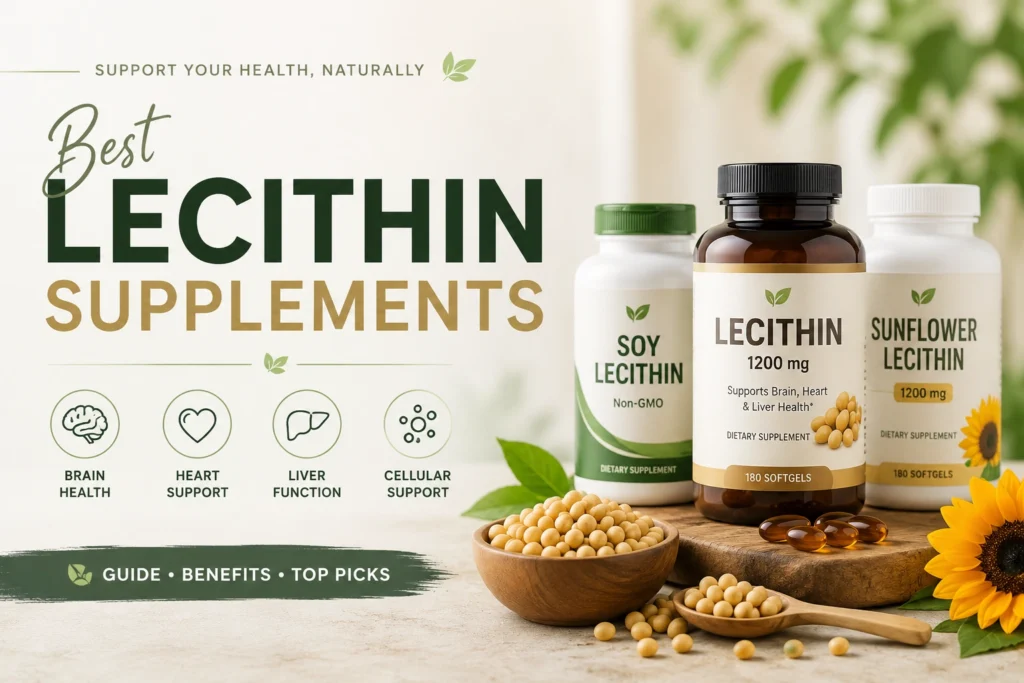
Lecithin is one of those quiet workhorses your body leans on every single day. It’s a family of phospholipids — mostly phosphatidylcholine — that helps emulsify fat, build cell membranes, and supply choline, a nutrient your liver and brain genuinely depend on.
People reach for the best lecithin supplement for different reasons. Some want help keeping cholesterol in a healthy range. Others are after liver or cognitive support. Breastfeeding moms use sunflower lecithin to keep milk flowing. And plenty just want a clean, soy-free source of choline.
Best Sunflower Lecithin Supplements
Here’s where most “best lecithin” lists fall short: they copy the label and move on. I did the doctor part instead — checking whether the dose in the bottle actually matches what the research uses, where a product is smart, and where it’s selling you a big number that shrinks once you read the serving size.
A quick honesty note before we dig in: lecithin may help support heart, liver, and brain health, but it’s a supplement, not a cure. I’ll flag what the evidence supports and what’s still anecdotal.
Best Phosphatidylserine Supplements
What Is Lecithin, and Why Should You Care?
Lecithin isn’t one thing — it’s a group of fats called phospholipids, led by phosphatidylcholine. Your cells are literally built with them, and they hand your body choline, a nutrient your liver and brain lean on daily.
You’ll find it naturally in egg yolks, soybeans, and sunflower seeds. As a supplement, people take it because it may help support:
- Healthy cholesterol already in the normal range
- Liver function, by helping move and metabolize fat
- Brain and focus, via choline and acetylcholine
- Breastfeeding comfort, by easing the “stickiness” of milk
- Skin and digestion, thanks to its emulsifying nature
A fair caution from your doctor: lecithin is a supportive nutrient, not a cure. The strongest science sits behind its role as a choline source; the cholesterol and breastfeeding benefits are promising but more modest in the evidence.
Soy vs. Sunflower vs. Egg-Derived: Which Source Is Right for You?
This is the question I get most, so let’s settle it.
- Soy lecithin — the most studied and most affordable. The catch is GMO and allergen concerns, so look for identity-preserved, non-GMO soy (NOW, Swanson, DR Vitamin Solutions all qualify).
- Sunflower lecithin — naturally non-GMO and soy-free, usually cold-pressed, and the favorite for clean-label shoppers and nursing moms. Pricier, but cleaner (NatureBell, Micro Ingredients, Nutricost, NOW Sunflower).
- Egg-derived — a genuine niche for people avoiding both soy and sunflower, but it isn’t vegan and delivers less actual lecithin per serving (NaturesPlus Egg Yolk).
My rule of thumb: if you tolerate soy and want value, soy is fine. If you’ve got allergies, GMO worries, or you’re breastfeeding, go sunflower.
How to Choose the Best Lecithin Supplement
Here’s the label-reading checklist I’d use myself:
- Source — soy, sunflower, or egg, based on the section above.
- Actual phosphatidylcholine — the real active. A few brands (like NatureBell) print it; most hide it behind a big “lecithin” number.
- Serving size — watch this one. Many “1,200 mg” or “2,400 mg” claims are per three softgels, not per pill.
- Form — softgels for convenience, granules or powder for higher phospholipid loads and kitchen use.
- Certifications — non-GMO, GMP facility, and third-party testing separate the serious brands from the cheap ones.
- Diet fit — soy and egg are allergens; gelatin softgels aren’t vegan; powders usually are.
Master those six and you’ll never be fooled by a flashy front label again.
How Much Lecithin Should You Take?
There’s no official daily requirement, which trips people up. In practice:
- Softgels: most people land around 1,200–2,400 mg per day.
- Granules/powder: 1–2 tablespoons daily, stirred into food.
- Breastfeeding (clogged ducts): lactation consultants often suggest about 1,200 mg, three to four times daily — though this use is based on clinical practice, not large trials.
Start at the low end, always take it with food (it absorbs better with fat), and build up only if you feel good. And please loop in your own doctor before high doses, especially if you’re pregnant, nursing, or managing a health condition.
Safety, Side Effects & Who Should Be Careful
Good news first: lecithin is generally well tolerated. Most people feel nothing but the benefits.
At higher doses, some notice:
- Mild stomach upset, nausea, or loose stools
- Occasional sweating or a faint fishy odor (from choline)
Who should pause and check with a professional:
- Anyone with a soy or egg allergy (match your source accordingly)
- Pregnant or nursing readers — some lactation products specifically say not for use during pregnancy
- Anyone on medication or with a chronic condition
Lecithin doesn’t have major known drug interactions, but I’d rather you ask and be sure. It supports your health; it doesn’t replace your doctor.
Doctor’s Top Picks
The Best Lecithin Supplements at a Glance
NOW Lecithin 1200 mg
Proven, affordable and third-party tested — the safe bet for almost everyone.
1,200 mg • Soy • Non-GMO
NatureBell Sunflower 2400 mg
High-dose sunflower that actually prints its phosphatidylcholine content.
2,400 mg • Sunflower • 360 mg PC
Swanson Non-GMO 520 mg
Dependable soy lecithin, 250 softgels, for about the price of a coffee run.
520 mg • 250 ct • Non-GMO
Nutricost Sunflower Powder
Gelatin-free powder that blends into smoothies, baking or homemade liposomal C.
Powder • Vegan • Soy-Free
dietaryhabit.com
The 10 Best Lecithin Supplements, Reviewed
1. NOW Lecithin 1200 mg — Best Overall
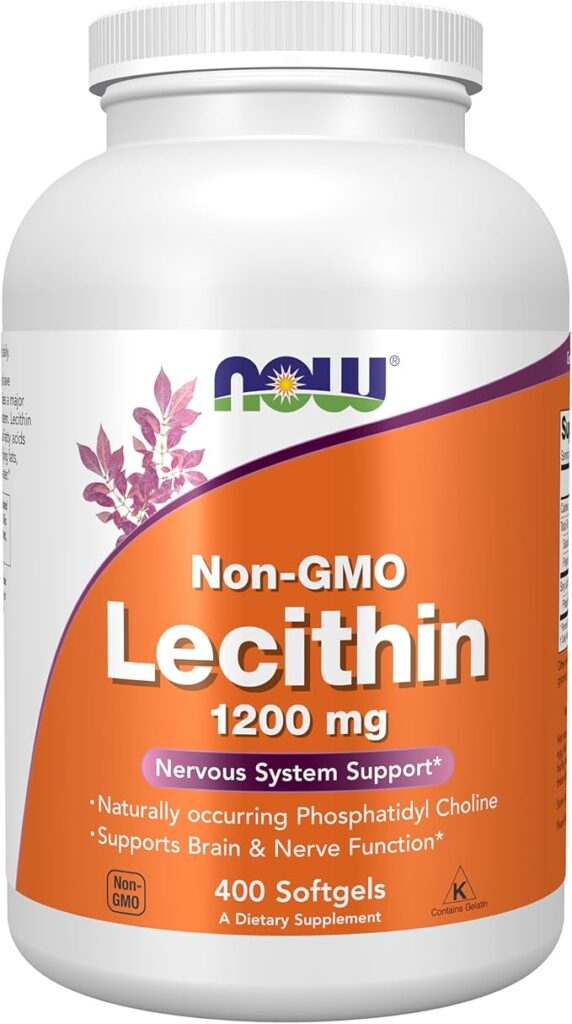
If you said, “Doc, skip the lecture, just tell me which one” — I’d point here. NOW is the bottle I’d hand my own family. Proven, affordable, made by a company that tests what it sells. It won’t dazzle you. It’ll quietly do its job.
Key Ingredients & Dosage
- 1,200 mg soy lecithin per softgel, with naturally occurring phosphatidylcholine
- Non-GMO; bovine-gelatin softgel
- Real serving = 3 softgels (3,600 mg)
The label only whispers that three-softgel serving, so dose like you mean it — one pill a day isn’t what the research is built on.
What Sets It Apart (and How It Helps You)
NOW runs GMP A-rated facilities with their own ISO-accredited labs plus third-party testing — pharmacist-grade quality control, not a marketing badge. The phosphatidylcholine inside is exactly what your body uses to break down fat, support the liver, and build acetylcholine, the messenger tied to memory.
Safety & Side Effects
It contains soy, so it’s off the table if you’re soy-allergic, and the gelatin cap isn’t vegetarian. Overdo it and your stomach may grumble — at a sensible dose, most people feel fine.
How to Take It
Three softgels with a meal. Lecithin loves fat, so food helps absorption. Clip it to breakfast so it never gets skipped.
Pros & Cons
- Pros: trusted name, third-party tested, hard-to-beat price
- Cons: three-softgel serving, soy-based, not vegan
The Bottom Line
Thousands of buyers keep reordering for the reason I keep recommending it — it’s trustworthy and cheap. If you want one safe bet today, drop this in your cart.
2. NatureBell Sunflower Lecithin 2400 mg — Best High-Dose Sunflower
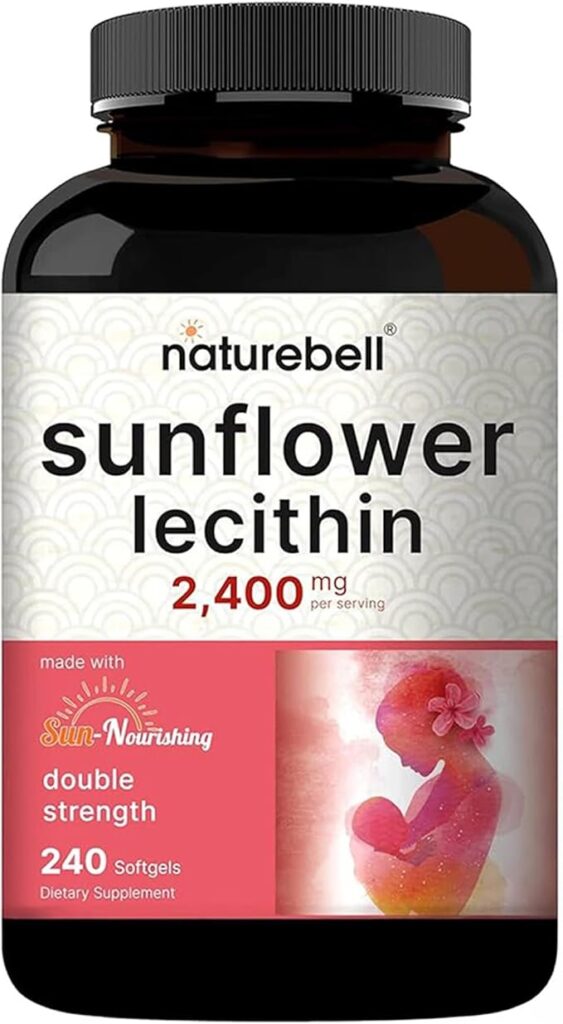
Avoiding soy but don’t want to sacrifice strength? This is your pick. NatureBell is potent, clean, and does something most brands won’t — it prints exactly how much phosphatidylcholine you’re getting.
Key Ingredients & Dosage
- 2,400 mg cold-pressed sunflower lecithin per serving (3 softgels)
- 360 mg phosphatidylcholine disclosed — a rarity
- 240 softgels (80 servings); non-GMO, gluten-free, soy-free
That printed PC number is the green flag here. Phosphatidylcholine is the part doing the real work, and most labels keep you guessing.
What Sets It Apart (and How It Helps You)
The “Sun-Nourishing” base uses sunflower seed oil instead of corn or soy oil — a cleaner carrier your body absorbs well. For anyone steering clear of GMO soy, that matters. The phospholipids may help support liver function, cell health, and steady choline supply.
Safety & Side Effects
Soy-free, which clears the biggest allergen hurdle. The softgel uses gelatin, so it isn’t vegan. Generally easy on the stomach.
How to Take It
Three softgels with food. Spreading them across the day is gentler on digestion.
Pros & Cons
- Pros: soy-free, discloses PC content, clean oil base, high potency
- Cons: three-softgel serving, not vegan
The Bottom Line
Nursing moms and everyday users alike reach for it, and the easy-to-swallow softgels earn repeat praise. If soy is a dealbreaker for you, this is the strong, honest choice.
3. Swanson Lecithin Non-GMO 520 mg — Best Value Soy Softgel
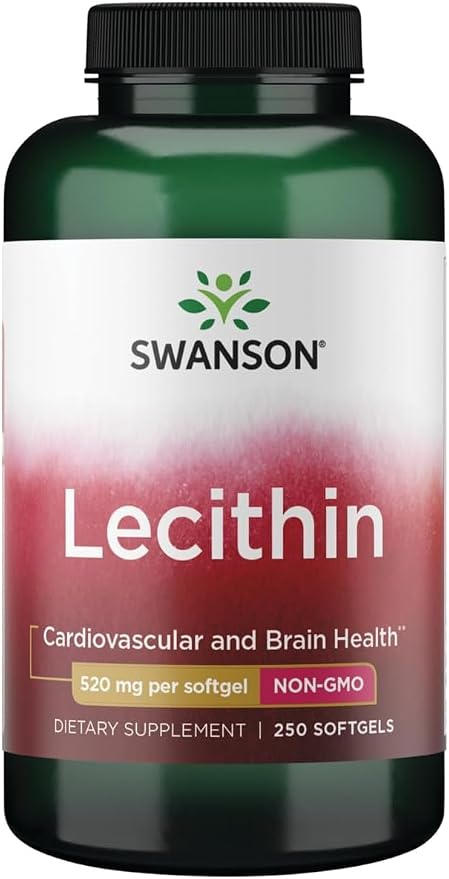
The budget champion. Want straightforward soy lecithin for heart and brain support without overpaying? Around twenty dollars buys you 250 softgels here.
Key Ingredients & Dosage
- 520 mg soy lecithin per softgel, from identity-preserved non-GMO soybeans
- Suggested serving: 3 softgels (1,560 mg)
- 250 softgels per bottle
The smaller per-softgel size is a quiet perk — it lets you fine-tune your dose instead of being locked into a big 1,200 mg pill.
What Sets It Apart (and How It Helps You)
“Identity-preserved” means the soy traces back to verified non-GMO crops — a genuine quality marker at this price. Its phospholipids may help support cholesterol already in the normal range, plus choline for liver and nerve function.
Safety & Side Effects
Contains soy; gelatin softgel. The usual mild-GI caution at higher intakes, nothing dramatic.
How to Take It
The label allows three softgels one to three times daily. Start low, take with water or food, build up only if you feel good on it.
Pros & Cons
- Pros: excellent price, non-GMO verified, flexible dosing
- Cons: soy-based, multiple softgels per serving
The Bottom Line
A 4.8-star average and a wall of reviews calling it dependable value. If you’re testing the waters with lecithin, this is the low-risk place to start.
4. Micro Ingredients Sunflower Lecithin 1600 mg — Best Bulk Value
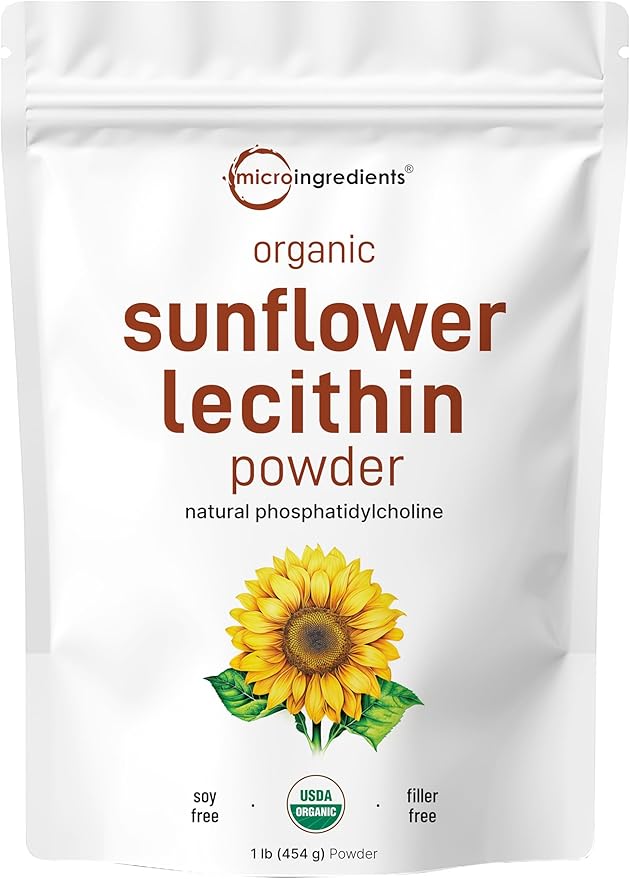
For the committed. If lecithin is becoming part of your daily routine, buying it 300 softgels at a time is how you stop overpaying.
Key Ingredients & Dosage
- 1,600 mg sunflower lecithin per serving, rich in phosphatidylcholine
- 300 softgels — months of supply
- Cold-pressed, sustainably farmed, soy-free, non-GMO
That count gives you the lowest cost-per-serving on this list.
What Sets It Apart (and How It Helps You)
Cold-pressing protects the delicate phospholipids better than heat-and-solvent methods, so you’re getting cleaner sunflower lecithin. The phosphatidylcholine may help support brain, liver, and cell-membrane health over the long haul — which is the point if you’re in it for the months, not the week.
Safety & Side Effects
Soy-free and well tolerated. Gelatin softgel, so not vegan. Ease in if your stomach is sensitive.
How to Take It
Take with a meal, consistently. The big bottle rewards daily users, so build the habit.
Pros & Cons
- Pros: unbeatable cost-per-serving, cold-pressed, soy-free
- Cons: large bottle is overkill for a quick trial; not vegan
The Bottom Line
This is the pick I’d hand the person who already knows they want lecithin in their life. Buy once, stop thinking about it for a season.
5. DR Vitamin Solutions Lecithin 1200 mg — Best One-a-Day Softgel
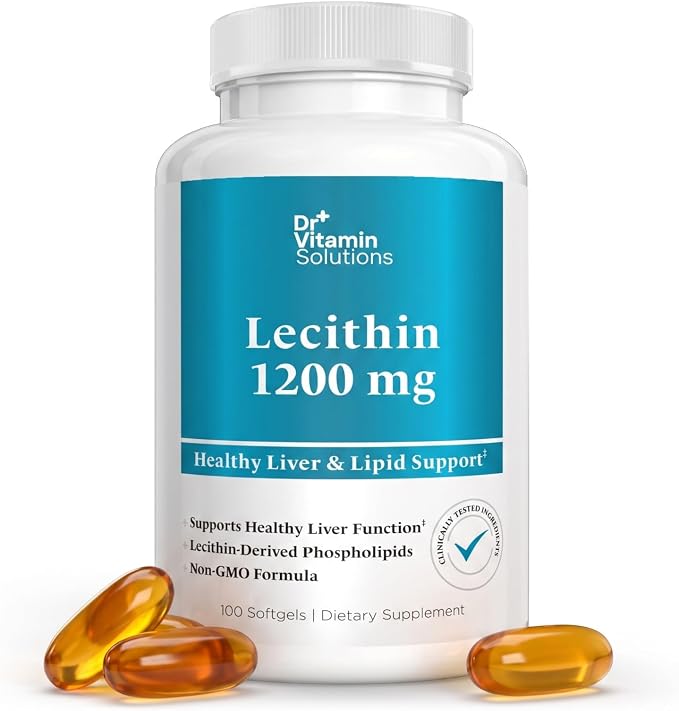
Hate swallowing handfuls of pills? Here’s your relief. This one packs a full dose into a single softgel.
Key Ingredients & Dosage
- 1,200 mg soy lecithin in one softgel
- Non-GMO, high-potency, with phosphatidylcholine
- 100 count
One softgel, full dose — that’s the whole appeal, and it’s a real one for anyone who skips supplements they find fiddly.
What Sets It Apart (and How It Helps You)
Convenience is an underrated form of effectiveness — the dose you actually take beats the one you abandon. The phosphatidylcholine and choline may help support liver health, fat metabolism, and cognitive function, all from a single daily capsule.
Safety & Side Effects
Contains soy; gelatin softgel. Standard mild-GI caution at higher doses.
How to Take It
One softgel daily with food. Simple by design.
Pros & Cons
- Pros: full dose in one pill, non-GMO, easy adherence
- Cons: soy-based; per-phospholipid breakdown isn’t published
The Bottom Line
If “one and done” is what keeps you consistent, this is your match. The best supplement is always the one you’ll actually keep taking.
6. Nutricost Sunflower Lecithin Powder — Best Vegan Pick
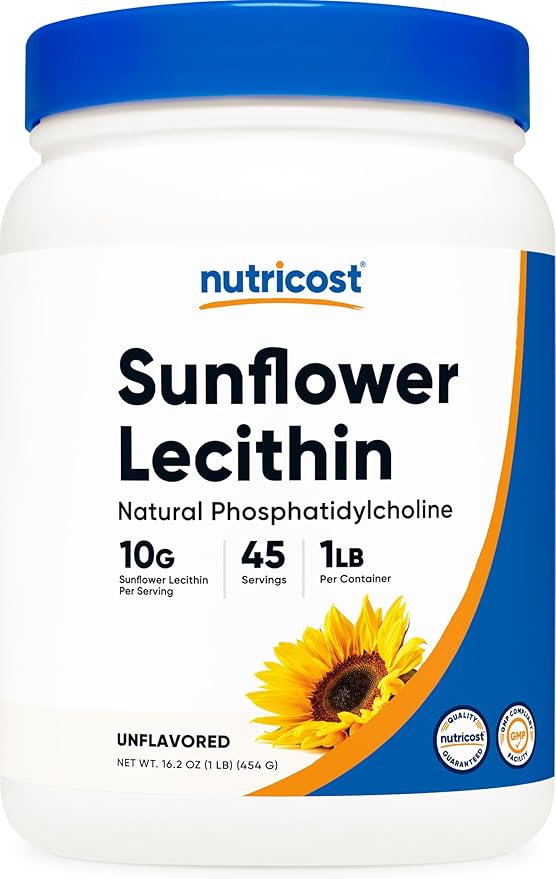
Plant-based and tired of gelatin softgels? This is the one for you. A clean sunflower powder you can blend into anything.
Key Ingredients & Dosage
- Pure sunflower lecithin powder, 1-pound bag
- Natural phosphatidylcholine
- Vegan, gluten-free, GMO-free — no gelatin
Powder gives you full control of your dose and a truly vegan option, which the softgels can’t offer.
What Sets It Apart (and How It Helps You)
This is the multitasker. Stir it into a smoothie, use it to make liposomal vitamin C at home, or add it to baking as a natural emulsifier. The phospholipids may help support cell and liver health while pulling kitchen duty too.
Safety & Side Effects
Soy-free and vegan-friendly. The texture takes a little getting used to — blend it well rather than spooning it dry.
How to Take It
Mix a measured scoop into liquid or food daily. Start small and adjust to taste.
Pros & Cons
- Pros: vegan, soy-free, flexible dosing, kitchen-friendly
- Cons: powder is messier than a pill; flavor isn’t for everyone
The Bottom Line
For plant-based readers and DIY-smoothie types, nothing else here competes. It’s the most versatile bottle on the list.
7. NaturesPlus Lecithin Granules — Best High-Phosphatide Granule
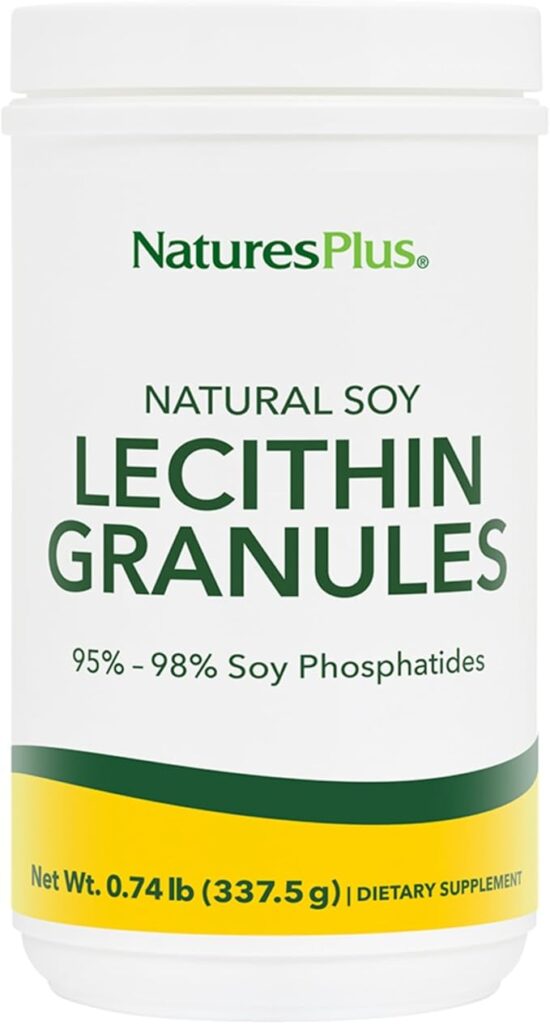
Want the most phospholipid per scoop? This is it. Granules deliver a payload no softgel can match.
Key Ingredients & Dosage
- Non-GMO soybean lecithin, 95–98% soy phosphatides
- Naturally rich in choline and inositol
- Oil-free; serving 7.5–15 g (1–2 tablespoons); made in USA
A single tablespoon carries far more total phospholipids than a fistful of softgels — that’s the real story here.
What Sets It Apart (and How It Helps You)
That 95–98% phosphatide concentration is genuinely high, and the added inositol is a bonus most products skip. If your goal is serious choline and phospholipid intake — for liver or cognitive support — this delivers more raw material per dose than the pills.
Safety & Side Effects
Contains soy. Granules can feel heavy on the stomach if you start at a full tablespoon, so ramp up slowly.
How to Take It
Stir a teaspoon (working up to a tablespoon) into juice, yogurt, or cereal. The flavor is mild and nutty.
Pros & Cons
- Pros: highest phospholipid concentration, adds inositol, oil-free
- Cons: soy-based; granule texture isn’t for pill-lovers
The Bottom Line
This is the pick for the reader who wants maximum phospholipids, not minimum effort. Serious nutrition, served by the spoon.
8. Fearn Natural Foods Liquid Lecithin, 16 Ounce — Best Liquid Lecithin for Cooking
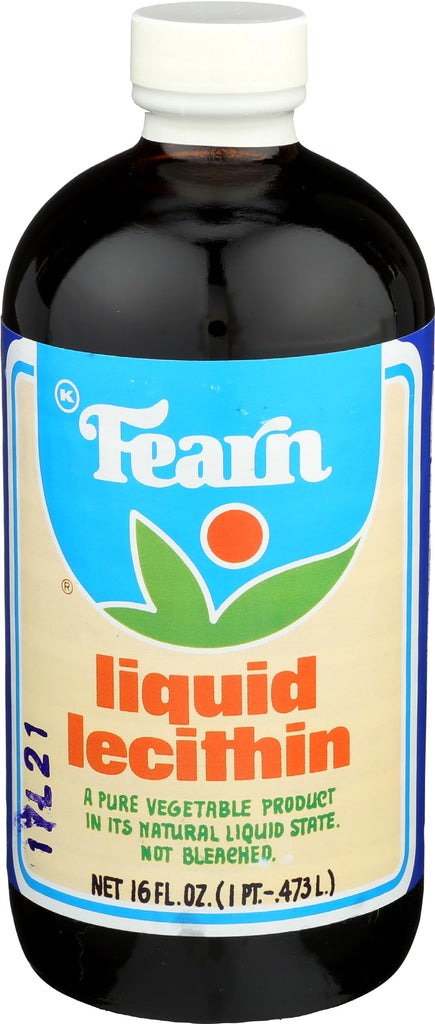
Prefer a pourable lecithin you can use in food instead of swallowing more capsules? Fearn is the practical liquid pick. It is thicker than a softgel routine, but far more versatile in the kitchen.
Key Ingredients & Dosage
- Liquid soy lecithin in a 16 fl oz bottle
- Typical serving is about 1 tablespoon, mixed into food or liquids
- Often used in sauces, dressings, gravies, smoothies, and baking recipes
One tablespoon gives you a concentrated liquid lecithin serving without needing to take several small pearls or softgels.
What Sets It Apart (and How It Helps You)
The main advantage is format. Fearn works well for readers who want lecithin as a food ingredient as much as a supplement. Because it blends into everyday recipes, it can be easier to use consistently if you already make shakes, sauces, or baked foods at home.
Safety & Side Effects
This is soy-based, so skip it if you avoid soy or have a soy allergy. Liquid lecithin can also feel rich or heavy at first, so start smaller than a full tablespoon if your stomach is sensitive.
How to Take It
Mix about 1 teaspoon to 1 tablespoon into smoothies, sauces, salad dressings, gravies, or baked recipes. Stir thoroughly because liquid lecithin is naturally thick and sticky.
Pros & Cons
- Pros: versatile liquid format, useful for cooking and baking, concentrated serving
- Cons: soy-based; messy compared with capsules; texture is not for everyone
The Bottom Line
Fearn is the better fit if you want lecithin you can actually cook with. It is less convenient than a softgel, but much more useful for readers who want a liquid emulsifier in the pantry.
9. Swanson 100% Pure Lecithin Granules — Best for Cooking
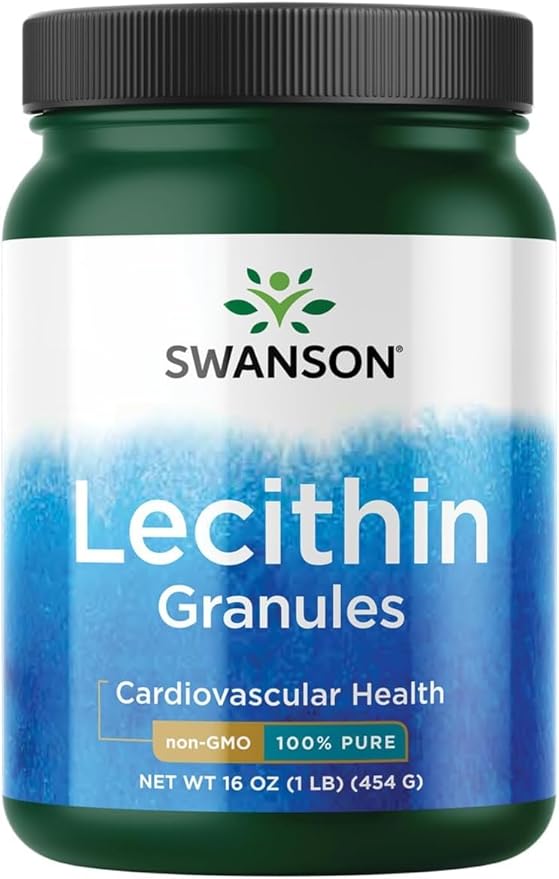
Love cooking and want your supplement to multitask? Meet your new pantry staple.
Key Ingredients & Dosage
- 100% pure soy lecithin granules, non-GMO identity-preserved
- Serving: 1 tablespoon (~6.5 g)
- GMP-certified with independent third-party testing; 16 oz and 3 lb sizes
Built to sprinkle and stir, this is lecithin that lives in your kitchen, not just your medicine drawer.
What Sets It Apart (and How It Helps You)
Swanson backs it with GMP facilities and outside lab testing — quality you don’t always get in a budget granule. As a natural emulsifier it blends into smoothies, sauces, and baking, while its phospholipids may help support healthy cholesterol already in the normal range.
Safety & Side Effects
Contains soy. Start with a teaspoon to let your gut adjust before a full tablespoon.
How to Take It
One tablespoon a day, mixed into food or a shake. Refrigerate after opening to keep it fresh.
Pros & Cons
- Pros: third-party tested, bulk sizes, kitchen-friendly
- Cons: soy-based; granules need mixing
The Bottom Line
For home cooks and smoothie regulars, this is the most useful bottle here — a supplement that earns its shelf space twice over.
10. NaturesPlus Egg Yolk Lecithin — Best Soy-Free, Egg-Derived Option
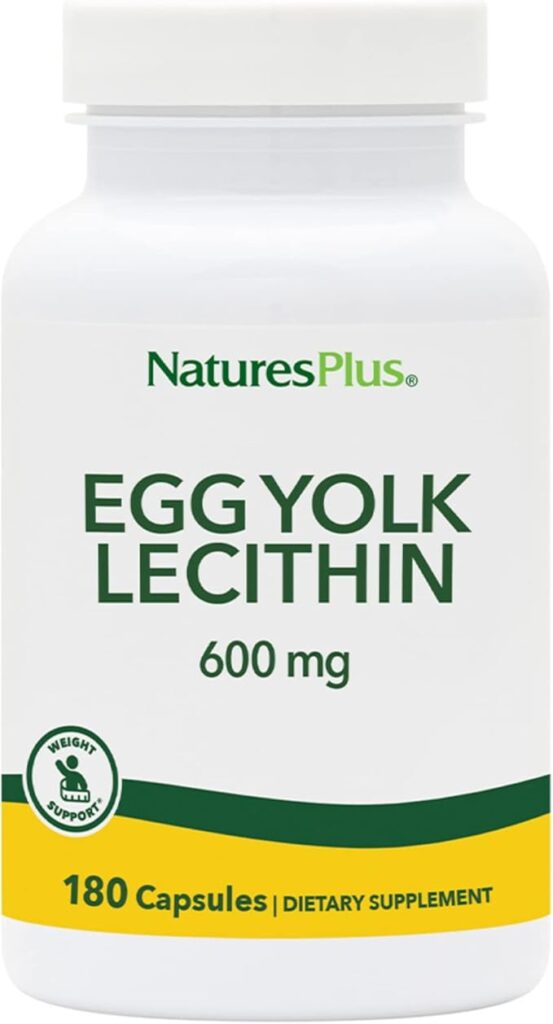
Avoiding both soy and sunflower? This is the rare egg-based option — and I’ll be straight with you about its trade-offs.
Key Ingredients & Dosage
- 600 mg egg-yolk concentrate per serving
- Actual lecithin phospholipids: only about 55–78 mg (≈60 mg phosphatidylcholine)
- Soy-free, gluten-free, vegetarian capsule; NSF-GMP
Read that second bullet carefully — the big “600 mg” is egg concentrate, not pure lecithin. The real lecithin dose is modest.
What Sets It Apart (and How It Helps You)
Its niche is genuine: an egg-derived source for people who can’t do soy or sunflower. The phospholipids may help support digestion, liver function, and cholesterol balance — just at a gentler dose than the softgels above.
Safety & Side Effects
Contains egg, so it’s off-limits for egg allergies, and it isn’t vegan. Long-time buyers have flagged a reformulation that leaned toward whole-egg powder, lowering the real lecithin content — worth knowing before you commit.
How to Take It
One capsule twice daily, or sprinkle the opened capsule onto food.
Pros & Cons
- Pros: soy- and sunflower-free, vegetarian capsule, gentle dose
- Cons: low actual lecithin per serving; egg allergen; reformulation concerns
The Bottom Line
Buy this only if you specifically need an egg-derived, soy-free source — and go in clear-eyed that you’re paying for convenience, not a high lecithin dose.
Your Quick Buyer’s Cheat-Sheet
Short on time? Match yourself to a pick:
- Just want the safe, proven bet: NOW Lecithin 1200 mg
- Allergic to or avoiding soy: NatureBell or NOW Sunflower
- Tightest budget: Swanson Non-GMO 520 mg
- Daily long-term user: Micro Ingredients (buy in bulk)
- Hate multiple pills: DR Vitamin Solutions one-a-day
- Vegan: Nutricost Sunflower Powder
- Maximum phospholipids: NaturesPlus Granules
- Cook with it: Swanson Granules
- Can’t do soy or sunflower: NaturesPlus Egg Yolk
One last word from me, as your stand-in doctor for the day: take any of these with food, give it a few weeks, and check in with your own physician if you’re pregnant, nursing, or on medication. Lecithin is a helper, not a hero — but the right bottle is an easy, low-cost win.
Frequently Asked Questions
Is it safe to take lecithin every day?
For most healthy adults, yes. Lecithin has a long track record as a food ingredient and supplement, and daily use at label doses is generally well tolerated. As with anything you take long-term, give your body a few weeks to settle in, and check with your doctor if you have an underlying condition.
Soy or sunflower lecithin — which is better?
There’s no universal winner here — it depends on you. Sunflower is the better call if you’re soy-allergic, avoiding GMOs, or breastfeeding. Soy is cheaper and more researched, so if you tolerate it fine, you’re not missing out by choosing it.
Does lecithin help with weight loss?
I wouldn’t take it for that reason. Lecithin supports fat metabolism and emulsification at a cellular level, but that’s not the same as burning fat or shedding pounds. Think of it as a quiet helper for liver and cell health — not a weight-loss tool, and any source claiming otherwise is overselling it.
Can lecithin help lower cholesterol?
It may help support cholesterol levels that are already in a healthy range — some small studies point that direction. But the evidence is limited, and lecithin shouldn’t replace diet changes or medication your doctor has recommended. Treat it as a supporting player, not the main event.
Is lecithin safe to take while breastfeeding?
Many nursing moms use sunflower lecithin for clogged ducts, and lactation consultants often recommend it — but the evidence here is more practice-based than clinical-trial-proven. Choose a product made for this use, avoid anything labeled “not for use during pregnancy,” and run it by your provider first.
What’s the best time of day to take lecithin?
Honestly, whenever you’ll remember it — consistency matters more than timing. That said, lecithin is fat-soluble, so taking it with a meal (especially one with some fat) helps your body absorb it better. I tell patients to pair it with breakfast so it doesn’t get forgotten.
Granules, softgels, or powder — does the form matter?
It matters for convenience and dose, not for safety. Softgels are easiest to take on the go. Granules and powders pack more phospholipids per serving and double as a kitchen ingredient, but they need mixing and have a stronger taste. Pick the form you’ll actually use consistently — that’s the one that works.
Can lecithin interact with my medications?
Lecithin doesn’t have major known drug interactions, which is reassuring. Still, “no major interactions known” isn’t the same as “definitely fine for everyone” — if you’re on regular medication or managing a chronic condition, mention it to your doctor or pharmacist before adding any new supplement. A two-minute conversation is cheap insurance.