
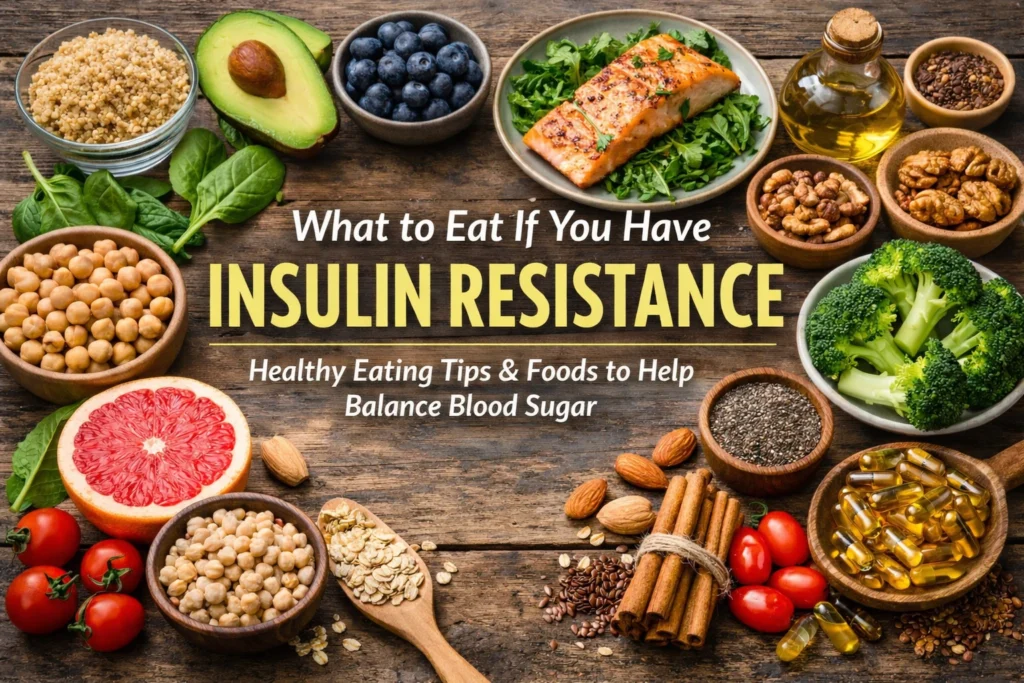
Insulin resistance is increasingly common. It is often linked with prediabetes, type 2 diabetes, metabolic syndrome, and obesity.
In simple terms, insulin resistance occurs when the body’s cells do not respond effectively to insulin, the hormone responsible for moving glucose from the bloodstream into cells.
As a result:
- Blood sugar levels rise
- The pancreas produces more insulin
- Over time metabolic health declines
According to the Centers for Disease Control and Prevention (CDC), more than 96 million adults in the United States have prediabetes, a condition closely related to insulin resistance. Many people do not realize they have it.
The encouraging news: nutrition can significantly influence insulin sensitivity.
Research published in journals such as Diabetes Care and The American Journal of Clinical Nutrition shows that dietary patterns rich in fiber, whole foods, healthy fats, and lean protein can improve insulin sensitivity and glucose control.
If you have insulin resistance, choosing the right foods may help support:
- Better blood sugar control
- Reduced insulin spikes
- Improved metabolic health
- Lower risk of type 2 diabetes
This guide explains what to eat, why it matters, and how to build meals that support insulin sensitivity.
Understanding Insulin Resistance
Before discussing foods, it helps to understand what happens inside the body.
After eating carbohydrates, the digestive system breaks them down into glucose. Glucose enters the bloodstream and signals the pancreas to release insulin.
Insulin acts like a key. It allows glucose to enter cells where it can be used for energy.
With insulin resistance, cells respond poorly to insulin. The pancreas compensates by producing more insulin to move glucose into cells.
Over time this leads to:
- High insulin levels (hyperinsulinemia)
- Elevated blood glucose
- Increased fat storage
A review published in The Lancet Diabetes & Endocrinology notes that diet and lifestyle interventions are among the most effective approaches for improving insulin sensitivity.
That’s where food choices matter.
The Core Nutrition Principles for Insulin Resistance
Rather than focusing on a strict diet, most experts recommend a metabolic-friendly eating pattern.
These principles repeatedly appear in research on insulin resistance.
Prioritize Low Glycemic Foods
Foods with a low glycemic index (GI) raise blood sugar more slowly.
A systematic review in The American Journal of Clinical Nutrition found that low-glycemic diets may improve insulin sensitivity and glycemic control.
Examples include:
- Non-starchy vegetables
- Whole grains
- Legumes
- Nuts and seeds
Increase Fiber Intake
Fiber slows glucose absorption and reduces blood sugar spikes.
According to the Harvard T.H. Chan School of Public Health, high-fiber diets are associated with lower risk of type 2 diabetes and improved metabolic markers.
Include Protein in Meals
Protein slows digestion and improves satiety. It also reduces rapid glucose spikes after meals.
Choose Healthy Fats
Healthy fats from foods such as olive oil, nuts, and fatty fish support metabolic health.
A study in Diabetes Care suggests Mediterranean-style diets rich in monounsaturated fats improve insulin sensitivity.
Best Foods to Eat for Insulin Resistance
Let’s examine foods that support metabolic health.
1. Non-Starchy Vegetables
Vegetables should form the foundation of an insulin-friendly diet.
They provide fiber, vitamins, minerals, and antioxidants while being naturally low in carbohydrates.
Examples include:
- Broccoli
- Spinach
- Kale
- Cauliflower
- Zucchini
- Bell peppers
- Brussels sprouts
Why They Help
Non-starchy vegetables contain very few digestible carbohydrates.
Their fiber content slows glucose absorption and promotes gut health.
Research in Nutrients shows diets rich in vegetables are associated with better insulin sensitivity and reduced risk of metabolic disease.
How to Eat Them
Try:
- Large salads with olive oil dressing
- Roasted vegetables
- Stir-fried vegetables with lean protein
- Vegetable-based soups
Aim for at least half your plate to be vegetables at most meals.
2. High-Fiber Whole Grains
Many people believe all grains worsen insulin resistance. That is not supported by evidence.
Refined grains raise blood sugar quickly. However, whole grains behave differently.
Examples include:
- Oats
- Quinoa
- Brown rice
- Barley
- Buckwheat
A meta-analysis published in The BMJ found higher whole-grain intake was linked with lower risk of type 2 diabetes.
Why Whole Grains Help
Whole grains contain:
- Fiber
- Magnesium
- Resistant starch
These nutrients support glucose metabolism.
For example, oats contain beta-glucan fiber, which may reduce post-meal glucose spikes.
Smart Portion Tips
Even healthy carbohydrates should be consumed in balanced portions.
Combine whole grains with:
- Protein
- Fiber
- Healthy fat
This slows digestion and improves blood sugar stability.
3. Legumes and Beans
Beans and legumes are excellent foods for people with insulin resistance.
Examples include:
- Lentils
- Chickpeas
- Black beans
- Kidney beans
- Split peas
They provide plant protein, fiber, and complex carbohydrates.
A study in Archives of Internal Medicine found that diets including legumes improved glycemic control in people with type 2 diabetes.
Why Legumes Work Well
Legumes digest slowly.
They contain resistant starch, which feeds beneficial gut bacteria and may improve insulin sensitivity.
Easy Ways to Add Them
You can include legumes in:
- Salads
- Soups
- Grain bowls
- Vegetable stews
They are affordable and highly nutritious.
4. Fatty Fish
Fatty fish are rich in omega-3 fatty acids, which support metabolic and cardiovascular health.
Good options include:
- Salmon
- Sardines
- Mackerel
- Herring
- Anchovies
According to the American Heart Association, omega-3 fats may help support heart health and reduce inflammation.
Why Omega-3s Matter
Chronic inflammation is associated with insulin resistance.
Omega-3 fatty acids may help regulate inflammatory processes and improve metabolic markers.
Recommended Intake
Many experts recommend eating fatty fish two times per week.
5. Nuts and Seeds
Nuts and seeds are nutrient-dense foods that fit well in insulin-friendly diets.
Examples include:
- Almonds
- Walnuts
- Pistachios
- Chia seeds
- Flaxseeds
- Pumpkin seeds
They provide:
- Healthy fats
- Fiber
- Protein
- Magnesium
A randomized trial published in Diabetes Care found nut consumption improved glycemic control and lipid markers in people with diabetes.
Why Nuts Help
They slow carbohydrate absorption and improve satiety.
Walnuts, for example, contain polyunsaturated fats linked with improved insulin sensitivity.
Portion Guidance
Because nuts are calorie-dense, moderate portions work best.
A typical serving is a small handful (about 28 grams).
6. Lean Protein Sources
Protein helps stabilize blood sugar by slowing digestion and reducing rapid glucose spikes.
Good protein choices include:
- Eggs
- Chicken breast
- Turkey
- Fish
- Greek yogurt
- Cottage cheese
- Tofu and tempeh
A review in The American Journal of Clinical Nutrition suggests higher-protein diets may support better blood sugar regulation.
Benefits of Protein
Protein:
- Supports muscle mass
- Improves satiety
- Reduces cravings
Muscle tissue also helps regulate glucose metabolism.
7. Healthy Fats
Healthy fats help balance blood sugar and support metabolic health.
Top choices include:
- Extra virgin olive oil
- Avocados
- Nuts
- Seeds
Mediterranean dietary patterns rich in olive oil have been linked to improved insulin sensitivity and lower diabetes risk.
Why Healthy Fats Help
Fats slow digestion and reduce post-meal glucose spikes.
They also support hormone production and cardiovascular health.
8. Fermented Foods
Gut health may influence metabolic health.
Fermented foods contain beneficial bacteria that support the microbiome.
Examples include:
- Yogurt with live cultures
- Kefir
- Sauerkraut
- Kimchi
- Tempeh
Research published in Nature Reviews Endocrinology suggests gut microbiota may influence insulin sensitivity and metabolic function.
Including fermented foods may help support digestive health and glucose metabolism.
9. Low-Sugar Fruits
Fruit contains natural sugar but also fiber, vitamins, and antioxidants.
Many fruits can still fit into an insulin-friendly diet.
Better choices include:
- Berries
- Apples
- Pears
- Cherries
- Grapefruit
Berries in particular contain polyphenols that may support glucose metabolism.
Why Fiber Matters
Fiber slows sugar absorption.
For example, berries have relatively low glycemic impact compared with many other fruits.
Foods to Limit with Insulin Resistance
Certain foods can worsen blood sugar control.
Common examples include:
- Sugary beverages
- Candy and desserts
- White bread and refined grains
- Ultra-processed snacks
- Fried foods
These foods digest quickly and cause rapid glucose spikes.
Over time, repeated spikes can worsen insulin resistance.
Sample Insulin-Friendly Day of Eating
Here is a simple example.
Breakfast
Greek yogurt with berries, chia seeds, and walnuts.
Lunch
Grilled chicken salad with olive oil, avocado, and mixed vegetables.
Snack
Apple slices with almond butter.
Dinner
Salmon with roasted broccoli and quinoa.
Evening snack (optional)
Cottage cheese with flaxseed.
This pattern combines protein, fiber, and healthy fats, helping stabilize blood sugar.
Lifestyle Habits That Improve Insulin Sensitivity
Food is only one part of the picture.
Research shows several lifestyle factors influence insulin resistance.
Regular Exercise
Physical activity improves insulin sensitivity by helping muscles use glucose efficiently.
Quality Sleep
Poor sleep is linked with metabolic dysfunction and increased insulin resistance.
Weight Management
Even modest weight loss can significantly improve insulin sensitivity.
Stress Management
Chronic stress increases cortisol, which may influence glucose metabolism.
Final Thoughts
Insulin resistance does not develop overnight, and it usually improves gradually with consistent lifestyle changes.
The most helpful approach focuses on whole, minimally processed foods.
A balanced diet rich in:
- Vegetables
- Whole grains
- Legumes
- Lean protein
- Healthy fats
- Nuts and seeds
may help support better insulin sensitivity.
These foods stabilize blood sugar, support metabolic health, and reduce the risk of type 2 diabetes.
If you suspect insulin resistance or prediabetes, working with a qualified healthcare professional or registered dietitiancan help create a personalized plan.
Small daily habits often produce the biggest long-term benefits.
If someone has insulin resistance, supplements may sometimes help support glucose metabolism and insulin sensitivity. However, evidence varies between supplements, and none replace diet, exercise, and medical care. Most guidelines (such as from the American Diabetes Association) emphasize lifestyle changes first, with supplements considered supportive tools.
Below are supplements that research suggests may help support insulin sensitivity or blood sugar regulation.
Best Supplements for insulin sensitivity
1. Berberine
Berberine is one of the most researched natural compounds for blood sugar regulation.
It is an alkaloid extracted from plants like Berberis species.
What research suggests
A meta-analysis published in Metabolism (2015) reported that berberine improved:
- fasting blood glucose
- HbA1c
- insulin sensitivity
Some studies even showed effects comparable to the diabetes drug metformin, although research quality varies.
How it may work
Berberine may:
- activate AMPK (AMP-activated protein kinase)
- improve glucose uptake in cells
- reduce glucose production in the liver
Typical dosage used in studies
Most studies use:
500 mg taken 2–3 times daily with meals
Important note
Berberine can interact with medications and should not be taken without medical guidance, especially if someone already takes glucose-lowering drugs.
2. Magnesium
Magnesium plays an important role in insulin signaling and glucose metabolism.
Low magnesium levels are commonly found in people with insulin resistance.
Evidence
A review in Diabetes Care reported that magnesium supplementation improved insulin sensitivity in people with magnesium deficiency.
Why magnesium matters
Magnesium helps:
- regulate insulin receptors
- support glucose transport into cells
- reduce inflammation
Best forms often recommended
- magnesium glycinate
- magnesium citrate
- magnesium malate
Typical supplemental amounts range between 200–400 mg per day.
3. Alpha-Lipoic Acid (ALA)
Alpha-lipoic acid is a powerful antioxidant involved in energy metabolism.
Research findings
A study in Diabetes Research and Clinical Practice showed that ALA supplementation improved insulin sensitivity in people with type 2 diabetes.
ALA may help by:
- improving glucose uptake in muscle cells
- reducing oxidative stress
- supporting mitochondrial function
Common dosage
Most studies use 300–600 mg daily.
ALA is also frequently used to support diabetic nerve health (neuropathy).
4. Omega-3 Fatty Acids (Fish Oil)
Omega-3 fatty acids from fish oil support cardiovascular and metabolic health.
Evidence
Research published in Nutrients (2020) indicates omega-3s may help reduce inflammation associated with insulin resistance.
While omega-3 supplements do not directly lower blood sugar dramatically, they may help improve:
- lipid profile
- metabolic inflammation
- cardiovascular risk factors
Typical intake
Common doses range from 1–3 grams of EPA + DHA daily.
5. Cinnamon Extract
Cinnamon has been studied for its potential effects on glucose metabolism.
Evidence
A review in the Journal of Medicinal Food reported cinnamon supplementation may reduce:
- fasting blood glucose
- HbA1c in some individuals
Proposed mechanisms
Cinnamon may help by:
- improving insulin receptor activity
- slowing carbohydrate digestion
- enhancing glucose uptake
Typical dose
Studies often use 1–3 grams per day of cinnamon or standardized extract.
Ceylon cinnamon is generally preferred for long-term use because it contains lower coumarin levels.
6. Inositol (Myo-inositol)
Inositol is a naturally occurring compound involved in insulin signaling pathways.
It has been studied extensively in PCOS, a condition strongly linked with insulin resistance.
Evidence
A review in Gynecological Endocrinology found myo-inositol improved insulin sensitivity and metabolic markers in women with PCOS.
Typical dosage
Common protocols use 2–4 grams per day.
Supplements That May Also Support Insulin Sensitivity
Other supplements sometimes discussed include:
- Chromium picolinate
- Vitamin D (especially if deficient)
- Probiotics
- Green tea extract
- Resveratrol
Evidence for these is mixed or still emerging, so results may vary.
Important Safety Considerations
If someone has insulin resistance or prediabetes, supplements should be used carefully.
Potential issues include:
- interactions with medications
- excessive blood sugar reduction
- liver or kidney concerns in rare cases
For example:
- Berberine can interact with medications.
- High cinnamon intake may affect the liver (due to coumarin in Cassia cinnamon).
For safety, it is best to consult a physician before starting supplements, especially for people taking diabetes medication.
Final Thoughts
Several supplements show promising research for supporting metabolic health in people with insulin resistance.
Among them, the most researched options include:
- Berberine
- Magnesium
- Alpha-lipoic acid
- Omega-3 fatty acids
- Cinnamon extract
- Myo-inositol
However, supplements work best alongside a healthy diet, regular exercise, adequate sleep, and weight management.
Nutrition and lifestyle changes remain the most effective strategies for improving insulin sensitivity.