The 10 Best Psyllium Husk Powders Reviewed in 2026
Medically reviewed by Dr. A.S.M. Masum Billah, MBBS
If you have ever stood in the fiber aisle wondering why one tub of psyllium costs three times another, you are asking exactly the right question.
As a physician, I recommend psyllium husk more than almost any other supplement. It is one of the few fiber products with real clinical evidence behind it — for cholesterol, blood sugar, and plain old regularity.
But not every powder is created equal. Purity, sourcing, grind, and how much actual soluble fiber you get per scoop vary a lot. So I did the digging for you.
Below are the 10 best psyllium husk powders I would actually put in front of a patient in 2026 — with honest notes on dose, quality, and who each one suits best.
6g of psyllium per serving — the pharmacist’s pick.
Best Value
Nutricost Ground Powder
Third-party tested, huge tub, gentle price.
What Psyllium Husk Actually Does in Your Gut
Psyllium comes from the seed husk of Plantago ovata, a plant grown mostly in India. Its magic is a specific kind of soluble fiber called mucilage.
When mucilage meets water, it forms a thick gel. That gel is the whole story. Unlike wheat bran, which is coarse and insoluble, psyllium is a gel-forming fiber that stays intact through the gut.
That gel does something clever: it works in both directions. If you are constipated, it softens and bulks the stool. If things move too fast, it firms them up. Fiber researcher Dr. Johnson McRorie calls this a “normalizing” effect — and it is why psyllium suits so many different guts.
The same gel also traps bile acids and slows how fast sugar hits your bloodstream. That is the mechanism behind psyllium’s heart and blood-sugar benefits, which I will get to next.
The Research: Cholesterol, Blood Sugar & Regularity
This is where psyllium earns its place in my recommendations. The evidence is genuinely strong for a supplement you can buy off the shelf.
Cholesterol. A 2018 meta-analysis in the American Journal of Clinical Nutrition pooled dozens of trials and found psyllium meaningfully lowered LDL (“bad”) cholesterol at doses around 10g per day. (Jovanovski et al., 2018)
Blood sugar. Trials in people with type 2 diabetes show psyllium taken before meals can improve fasting glucose and HbA1c — the gel simply slows carbohydrate absorption.
Regularity & IBS. A well-known 2009 BMJ trial found psyllium reduced symptom severity in people with irritable bowel syndrome, where bran actually made things worse.
📜 The label claim worth knowing: The FDA authorizes a heart-health claim stating that 7g of soluble fiber per day from psyllium, in a low-saturated-fat diet, may reduce heart-disease risk. That 7g target is why dose-per-serving matters so much on the cards below.
How to Choose a Psyllium Powder
Here is exactly what I look at before recommending one:
Fiber per serving. A “teaspoon” on one label may deliver 3g; another delivers 6g. More isn’t automatically better, but it changes how many scoops you need to hit that 7g mark.
Purity & testing. All psyllium carries trace lead from the soil (hence the California Prop 65 notice on nearly every tub). Brands that do third-party testing give you more confidence the level is low.
Fillers & sweeteners. Flavored drink mixes are pleasant but often deliver less psyllium per scoop and add stevia or salt. Pure unflavored powder gives you the most fiber for your money.
Grind. Finely ground blends smoothly into water and baking; whole husk is coarser but great for gut-friendly “flakes.”
With that framework in mind, here are my ten.
10 Best Psyllium Husk Powders
Psyllium Husk Powder Comparison Table
Product
Best For
Format / Serving
Quality Signal
Main Tradeoff
Organic India
Clean organic daily fiber
Whole husk, 12 oz
USDA Organic, B Corp
Coarser texture, smaller canister
Himalaya
Ayurvedic-brand shoppers
Organic powder, 24 oz
USDA Organic, 99% white husk
Usually pricier than value tubs
Viva Naturals
Baking and smoothies
Fine powder, 24 oz
USDA Organic, Non-GMO
Can thicken quickly in drinks
Nutricost
Budget/high-use buyers
Ground powder tub
Third-party tested
Less premium sourcing story
Konsyl
High-potency routine
6g psyllium/serving
Single-ingredient, sugar-free
Plain texture
NOW Foods
Trusted mainstream value
24 oz powder
Non-GMO, established brand
Not organic
NatureBell
Bulk organic users
3 lb pouch
USDA Organic, 3rd-party tested
Large upfront bag
Yerba Prima
Classic fiber-brand users
Powder, 24 oz
NSF GMP, long brand history
Less modern packaging/story
ColonBroom
Flavor-first compliance
Strawberry, stevia
Vegan, gluten-free
Not a pure unflavored powder
BulkSupplements
Long-term pantry value
Multiple bulk sizes
USDA Organic, cGMP
Plain pouch, less beginner-friendly
🏆 Best Overall Organic
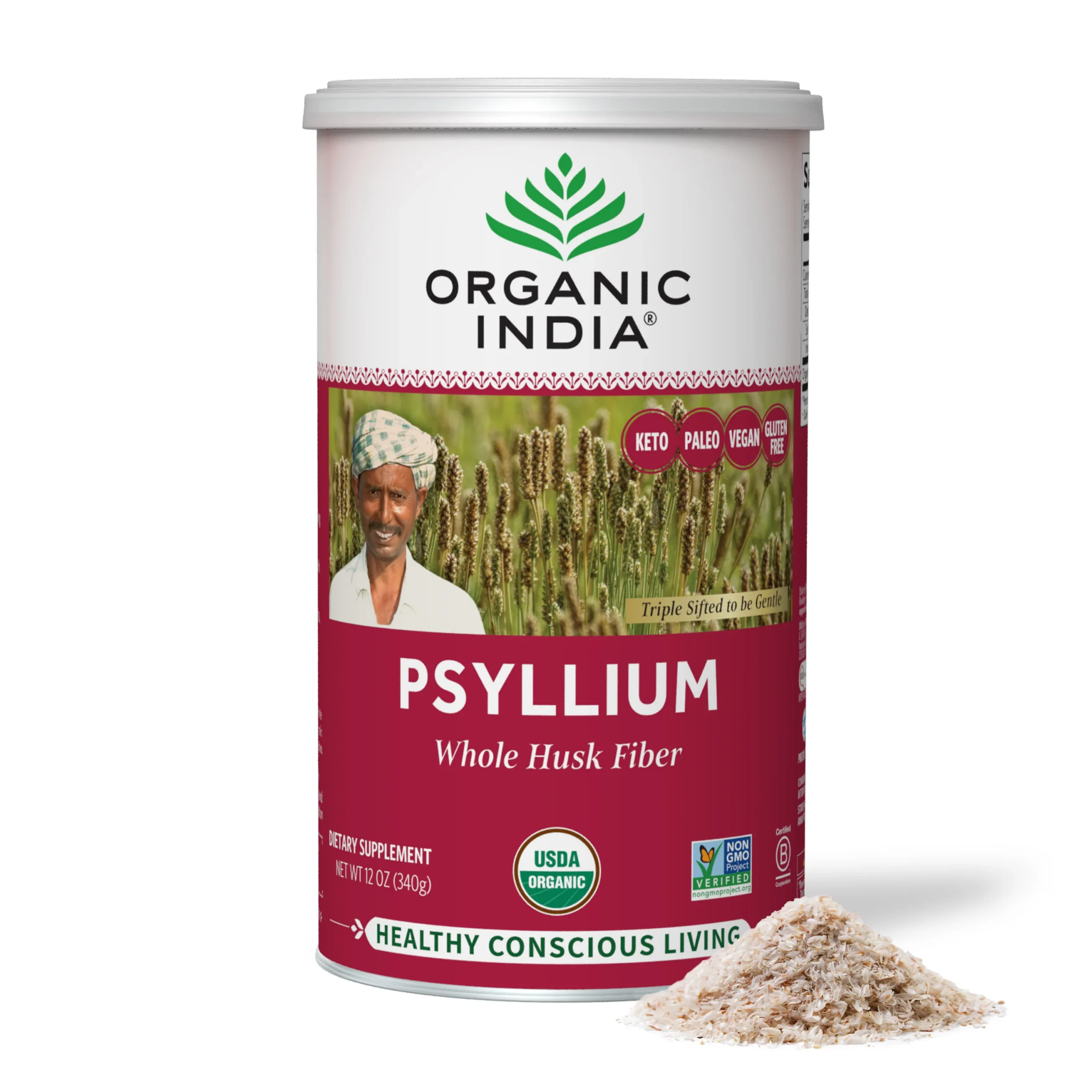
1Organic India Whole Husk Psyllium
★★★★★ 4.8 / 5 (our rating)
12 oz canister3g soluble fiber / TbspUSDA OrganicB Corp
If I could hand a patient just one tub, it would be this one. Organic India sources its psyllium from certified-organic farms in India and is a certified B Corporation — the closest thing to a “values” brand in this category.
You get whole husk (both soluble and insoluble fiber), USDA Organic and Non-GMO certification, and nothing else. One tablespoon delivers about 3g of soluble fiber, so two scoops gets you near the heart-health target. It is the pick for anyone who wants clean sourcing without overthinking it.
✘ Cons: Smaller 12 oz canister; coarser grind than ultra-fine powders.
Bottom line: The cleanest all-rounder on this list, and my default recommendation.
What Sets It Apart
Organic India is the clean-sourcing pick because it combines whole husk texture with USDA Organic certification and B Corp accountability. That is stronger than simply saying “natural” on a label.
Best For / Skip If
Best for buyers who want organic daily fiber and do not mind a slightly coarser drink. Skip if you want an ultra-smooth powder for baking or flavored mixing.
Customer Feedback
Buyers usually praise the clean label and predictable regularity. The common complaint is texture: whole husk can feel more noticeable in water than finely ground powders.
Buying Tradeoff
The tradeoff is purity over convenience. You get a trustworthy organic product, but not the cheapest cost per ounce or the smoothest mouthfeel.
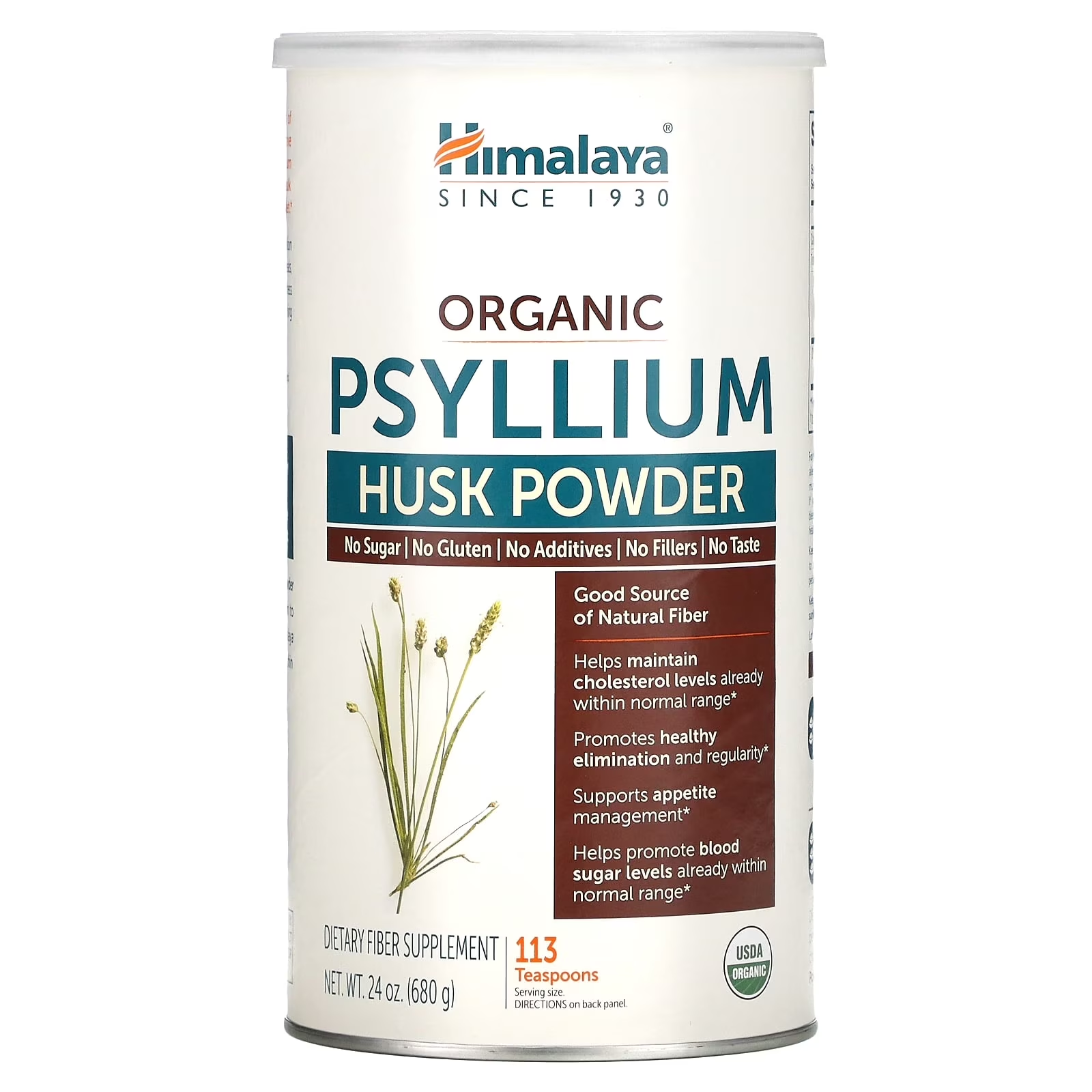
Himalaya has been a family-owned Ayurvedic company since 1930, and this powder is their standout. The selling point is genuinely useful: it is 99% extra-white husk and only 1% seed coat.
The white husk is where the active mucilage lives, so you are getting the purest, most gel-rich part of the plant with very little brown filler. It is USDA Organic, Non-GMO Project Verified, vegan, and sugar-free, with a big 24 oz supply. A heaping teaspoon gives around 4g of soluble fiber.
✔ Pros: High-mucilage white husk; organic & Non-GMO Verified; heritage brand; large size.
✘ Cons: Fine powder gels quickly; unflavored (no surprise there).
Bottom line: If purity is your priority, that 99% white-husk spec is the real deal.
What Sets It Apart
Himalaya has an established herbal-supplement identity, which gives it more brand trust than many generic psyllium tubs. The 99% white husk positioning also speaks to shoppers comparing purity cues.
Best For / Skip If
Best for buyers who like traditional herbal brands and want organic psyllium in a larger 24 oz container. Skip if price per serving matters most.
Customer Feedback
Readers often choose Himalaya for brand familiarity and the cleaner organic angle. The main concern is value, since similar organic powders can cost less.
Buying Tradeoff
The tradeoff is brand heritage over bargain pricing. It earns its place when trust and organic positioning matter more than the cheapest tub.
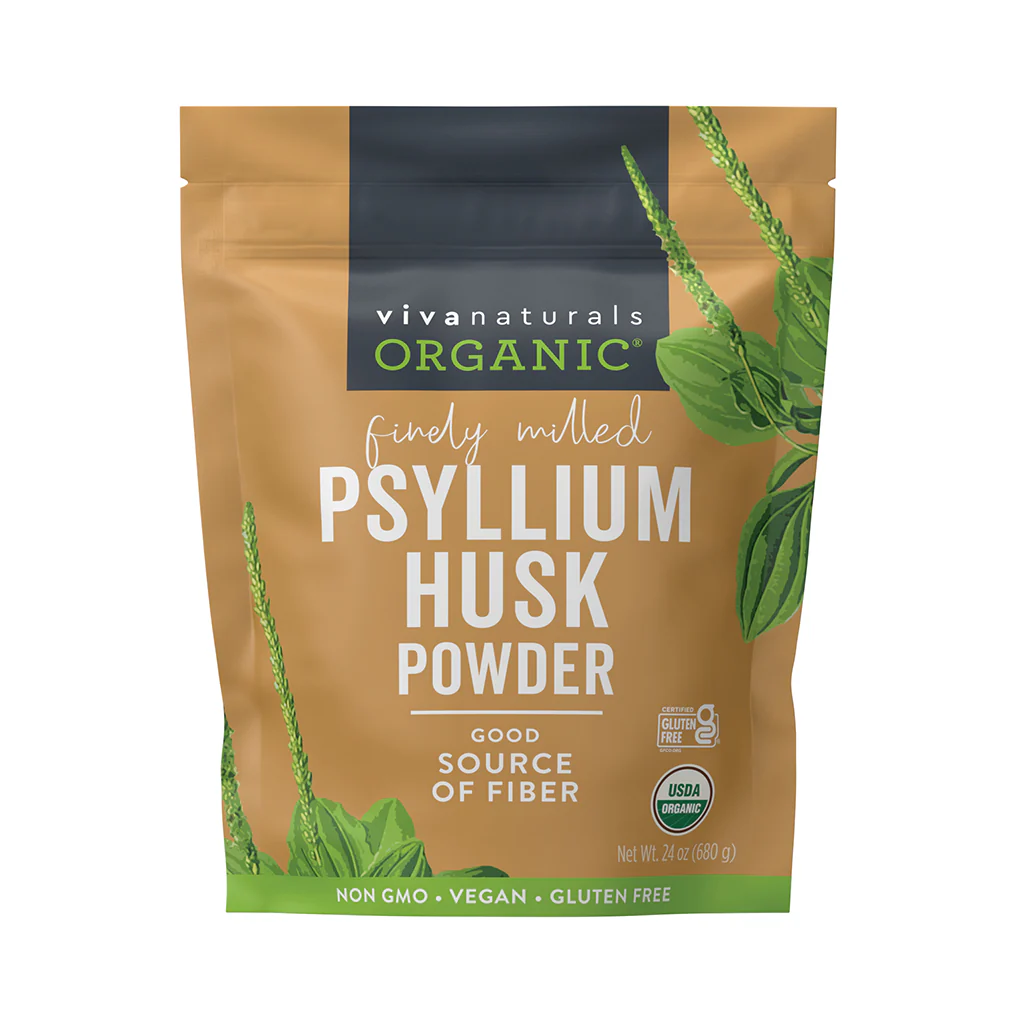
Viva Naturals is the powder I point people to when they hate the gritty texture of coarser brands. It is finely ground, so it disappears into smoothies, juice, or gluten-free baking without clumping.
The credential list is impressive: USDA Organic, Non-GMO Project Verified, plus vegan, keto, paleo, and kosher stamps. A generous 24 oz bag delivers roughly 4g of soluble fiber per teaspoon, and the brand runs periodic third-party testing. For everyday mixing, it is hard to beat.
✔ Pros: Ultra-fine grind mixes smoothly; big 24 oz size; multiple certifications.
✘ Cons: Fine texture can gel fast — drink it quickly.
Bottom line: The smoothest-mixing organic powder here — ideal for smoothie and keto-baking fans.
What Sets It Apart
Viva Naturals stands out because its fine grind works beyond a simple fiber drink. It is easier to blend into smoothies and gluten-free/keto baking than coarse whole husk.
Best For / Skip If
Best for readers who want one psyllium powder for both digestion and recipes. Skip if you only want a traditional whole-husk texture.
Customer Feedback
Customers tend to like its versatility in baking and shakes. The main warning is that fine psyllium thickens fast, so it needs enough liquid and quick stirring.
Buying Tradeoff
The tradeoff is versatility over simplicity. It is more recipe-friendly than Organic India, but less “whole food” feeling than intact husk.
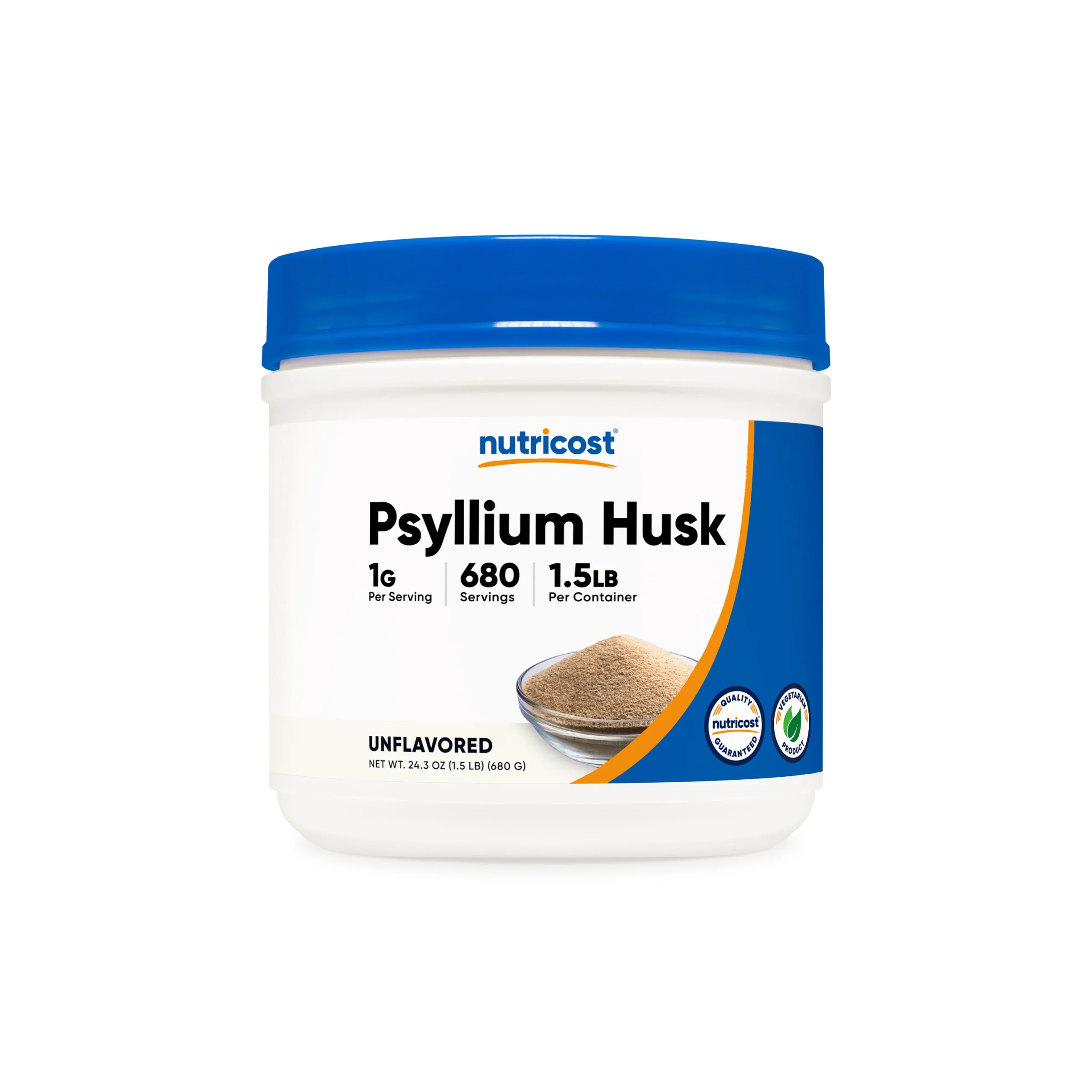
Nutricost is the value champion. You get a big 1 lb tub of finely ground psyllium at a price that undercuts most organic brands — and it still ships with a scoop and third-party testing.
It is not certified organic, which is the trade-off for the price. But it is Non-GMO, gluten-free, and made in a GMP facility, with no fillers. If you use psyllium daily and want to keep costs down without cutting corners on quality control, this is the smart buy.
✔ Pros: Excellent price per gram; third-party tested; scoop included; large tub.
✘ Cons: Not certified organic; per-scoop dose is on the smaller side.
Bottom line: Best bang for your buck if organic certification isn’t a dealbreaker.
What Sets It Apart
Nutricost is the value-and-testing play: a big tub, gluten-free/non-GMO positioning, and third-party testing claims. It is less romantic than organic brands, but very practical.
Best For / Skip If
Best for high-use buyers who want a straightforward powder without paying premium organic prices. Skip if USDA Organic is non-negotiable.
Customer Feedback
Users usually like the amount of powder for the money. Complaints tend to be about mixing and texture, which are common across plain psyllium powders.
Buying Tradeoff
The tradeoff is value over premium sourcing. It is strong for everyday cost control, weaker for shoppers who want organic farming credentials.
💊 Best High-Potency
5Konsyl Daily Psyllium Fiber Powder (19 oz)
★★★★★ 4.7 / 5 (our rating)
19 oz · 90 servings6g psyllium / servingSugar-freeKeto / Vegan
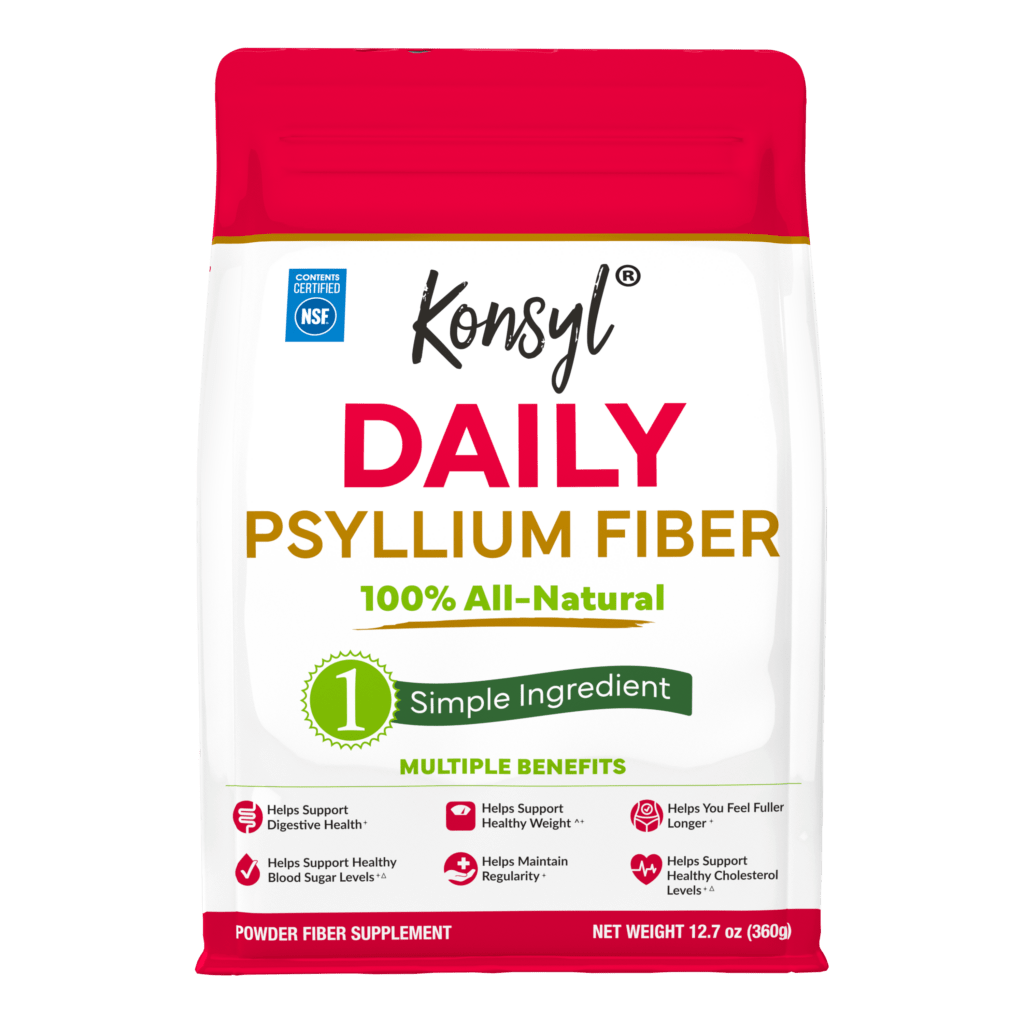
Konsyl is the brand many pharmacists and gastroenterologists quietly reach for — and it has been on the market for over 50 years. The reason is dose: this is one of the most concentrated psyllium powders you can buy.
Each serving delivers a hefty 6g of psyllium from 100% husk, with no sugar and no fillers. That means you hit the clinically studied dose in a single scoop rather than three. It is sugar-free, keto-friendly, and vegan, in a 90-serving tub. When I want a patient to actually reach a therapeutic dose, this is my go-to.
✔ Pros: Very high dose per serving; 100% psyllium, no fillers; pharmacist-trusted heritage.
✘ Cons: Strong gel — newcomers should start with half a scoop; not organic.
Bottom line: The one I pick when the goal is a real, clinical-strength fiber dose.
What Sets It Apart
Konsyl separates itself with a strong psyllium dose and a single-ingredient, sugar-free formula. It feels more clinical and pharmacy-like than lifestyle-oriented powders.
Best For / Skip If
Best for readers who want a serious daily fiber routine and do not need flavor. Skip if plain psyllium taste or fast gel formation makes you inconsistent.
Customer Feedback
Buyers often respect the potency and simplicity. The common complaint is that it thickens quickly, so timing and water volume matter.
Buying Tradeoff
The tradeoff is potency over pleasantness. It is one of the stronger functional picks, but not the easiest powder for sensitive taste preferences.
🛡️ Best Trusted Legacy Brand
6NOW Foods Psyllium Husk Powder
★★★★★ 4.6 / 5 (our rating)
24 oz6g soluble fiber / TbspNon-GMO VerifiedFamily-owned since 1968
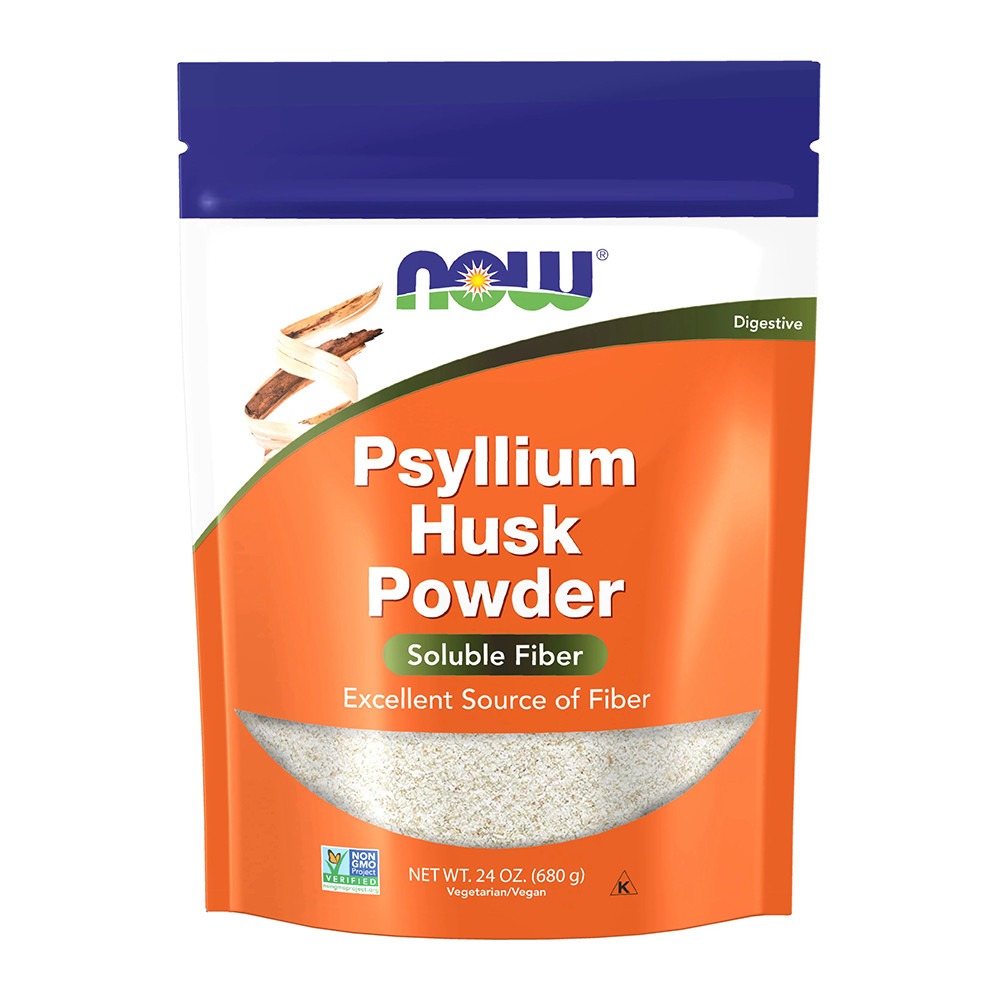
NOW Foods is one of the most reliable names in supplements, family-owned since 1968 and known for its serious in-house testing lab. Their psyllium powder pairs that reputation with a strong dose.
A single tablespoon delivers around 6g of soluble fiber — near the FDA heart-health target in one scoop. It is Non-GMO Project Verified in a generous 24 oz tub. For anyone who wants a mainstream, widely available brand they can trust batch after batch, NOW is a safe pick.
✔ Pros: High soluble-fiber dose; Non-GMO Verified; excellent QC reputation; large size.
✘ Cons: Standard (non-organic) version is the widely stocked one; plain unflavored.
Bottom line: A trusted, high-dose workhorse from a lab-serious brand.
What Sets It Apart
NOW Foods stands out through mainstream trust: long brand history, broad availability, and a strong soluble-fiber serving without unnecessary flavoring.
Best For / Skip If
Best for shoppers who want a reliable plain powder from a familiar supplement company. Skip if you specifically want organic certification.
Customer Feedback
Customers usually like the predictable value and simple formula. The downside is the same as most plain powders: it can clump or gel if mixed slowly.
Buying Tradeoff
The tradeoff is dependable mainstream value over premium sourcing. It is safe-feeling and accessible, but not the cleanest organic option.
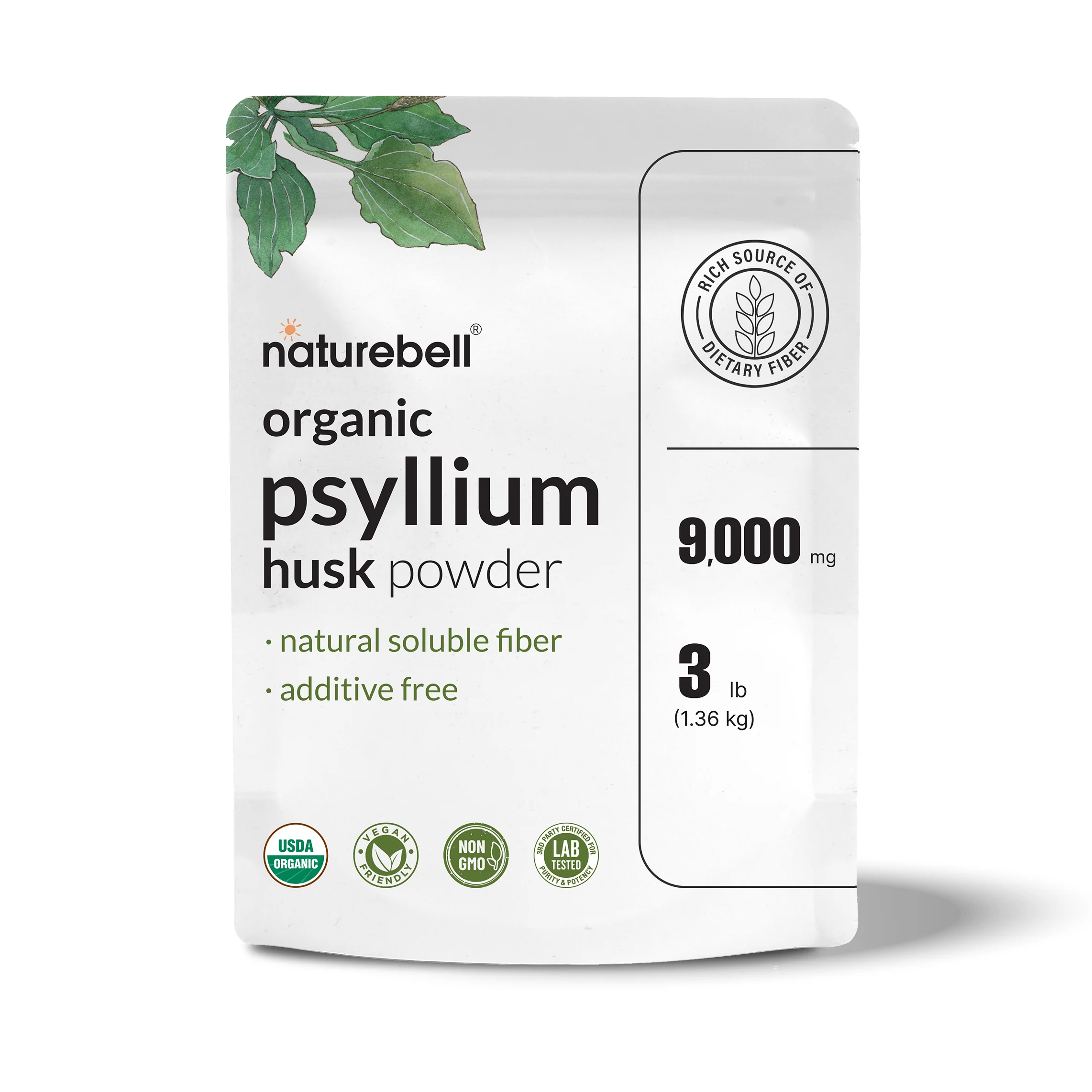
If you go through psyllium fast — whether for baking or a whole household — NatureBell’s 3 lb tub is the value play. It is certified organic Plantago ovata sourced from India, third-party lab tested, and about as no-frills as it gets.
You get roughly 151 servings, each a generous 9g of psyllium at around 95% purity. It is vegan, keto-friendly, Non-GMO, and gluten-free, with no additives. The huge size makes the cost-per-serving one of the lowest here.
✘ Cons: Bulk bag is less convenient than a canister; newer brand name.
Bottom line: The stock-up choice for heavy users and bakers who want organic on a budget.
What Sets It Apart
NatureBell is a bulk organic play: a 3 lb pouch, high serving count, USDA Organic positioning, and third-party testing claims. It is built for people who already know they will use psyllium often.
Best For / Skip If
Best for repeat users, families, or bakers who want organic psyllium in bulk. Skip if you are trying psyllium for the first time.
Customer Feedback
Buyers like the value and large supply. The main complaint is storage and commitment: a 3 lb bag is a lot if you are unsure about tolerance or texture.
Buying Tradeoff
The tradeoff is bulk value over low-risk trial. It can save money long term, but it is not the most beginner-friendly purchase.
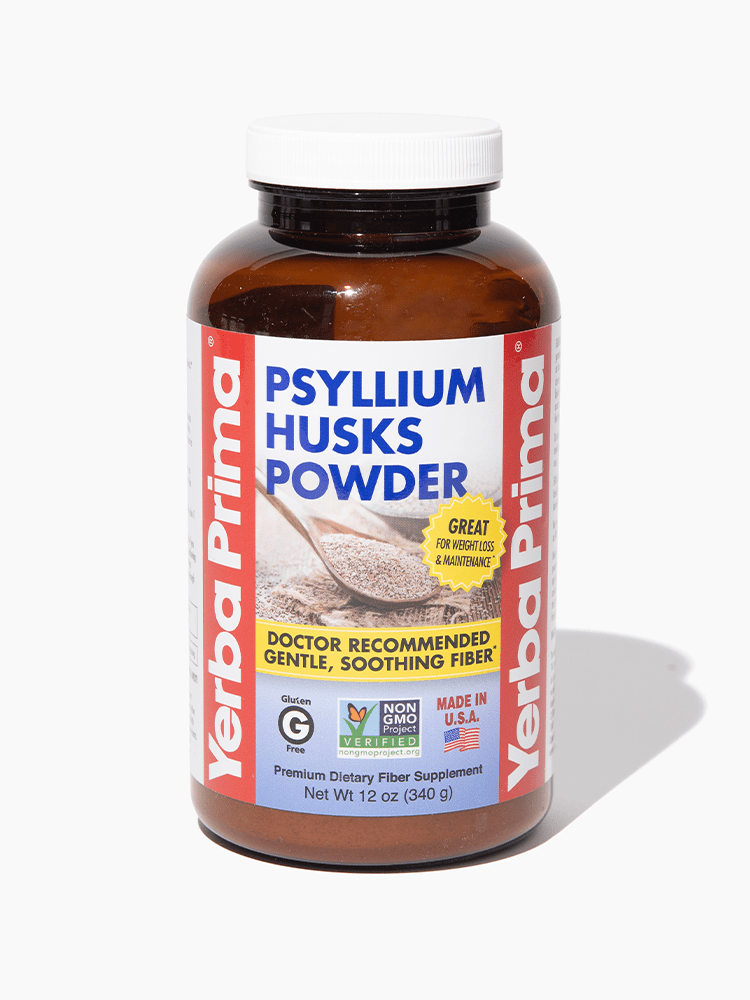
Yerba Prima has been making fiber supplements out of Ashland, Oregon since 1980, and it is arguably the original psyllium powder brand in the US. This 24 oz tub is a study in simplicity: ground psyllium seed husks and nothing else.
Because it uses whole husks, you get both soluble and insoluble fiber — the soluble part for the cholesterol and blood-sugar benefits, the insoluble for bulk and regularity. It is finely ground for easy mixing and baking, Non-GMO, gluten-free, vegan, and NSF-GMP certified. A dependable, no-nonsense classic.
✘ Cons: Not certified organic; earthy taste is best masked with juice.
Bottom line: The trustworthy old-guard pick — pure husk from the brand that helped start the category.
What Sets It Apart
Yerba Prima has old-school fiber credibility and NSF GMP manufacturing. It does not feel trendy, but it has the kind of category-specific history that matters for a basic fiber product.
Best For / Skip If
Best for shoppers who prefer a dedicated fiber brand with a long track record. Skip if you want organic certification or modern flavor options.
Customer Feedback
Users tend to trust the brand and like the steady regularity support. The packaging and product experience feel more traditional than premium.
Buying Tradeoff
The tradeoff is reliability over novelty. It is a sensible middle-ground pick, but not the strongest on organic sourcing or flavor compliance.
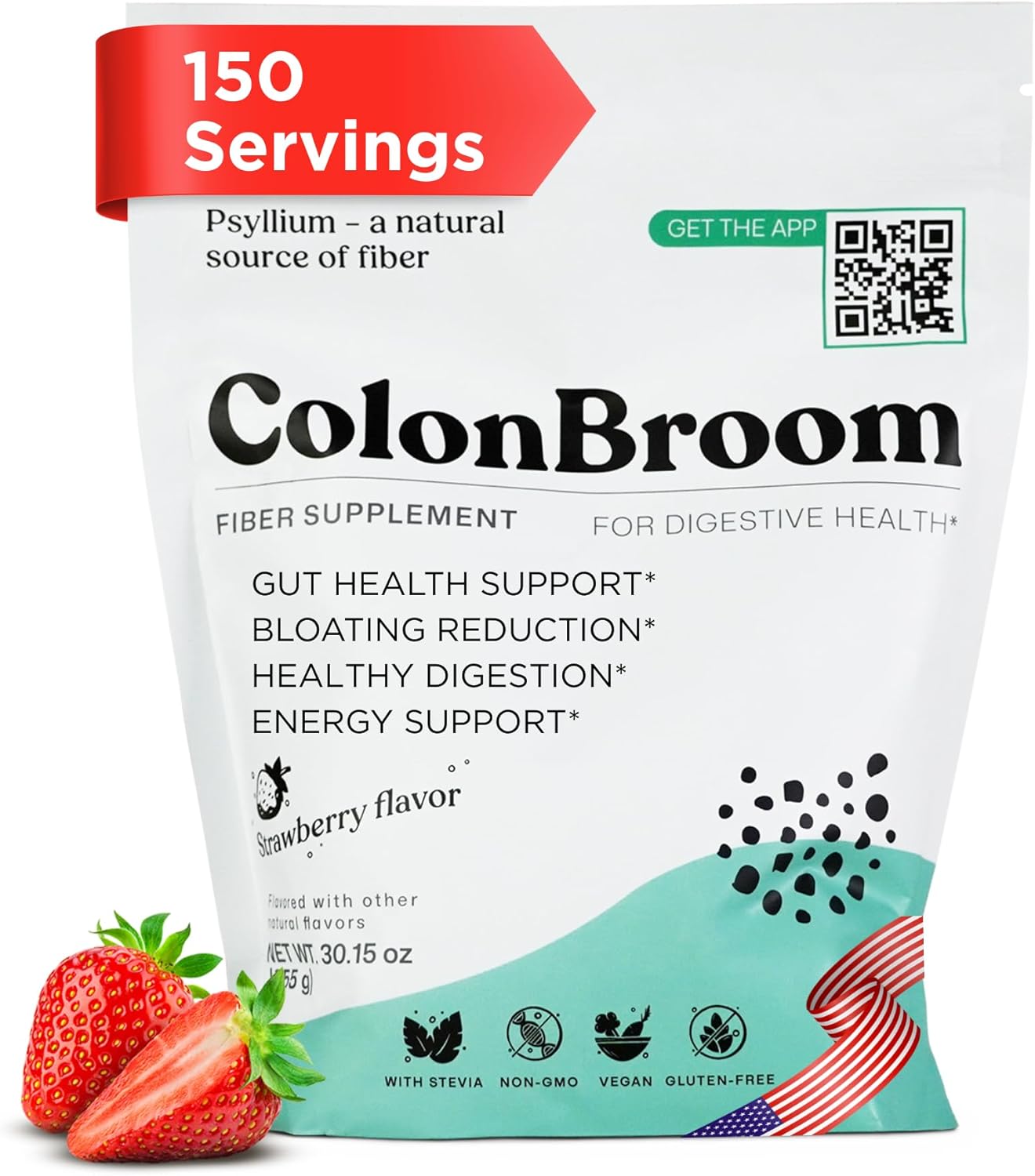
Let’s be honest about why flavored psyllium exists: plain husk gel is unpleasant, and a lot of people simply won’t take it. ColonBroom solves that with a genuinely nice strawberry drink, naturally sweetened with stevia.
The trade-off is dose: each scoop carries about 3.6g of psyllium plus flavor, salt, and a rice-hull agent — less pure husk per serving than the unflavored powders. It is vegan, gluten-free, and non-GMO. If a tasty routine is what gets you to stay consistent, that consistency may matter more than squeezing out every last gram.
✔ Pros: Pleasant strawberry taste; stevia-sweetened, no sugar; big 150-serving tub; easy to stick with.
✘ Cons: Lower psyllium per serving; added flavor ingredients; pricier per gram of fiber.
Bottom line: The most palatable option — best for anyone who won’t touch unflavored husk.
What Sets It Apart
ColonBroom is different because it solves the compliance problem with flavor. Strawberry and stevia make it easier for people who fail with plain psyllium.
Best For / Skip If
Best for readers who need taste support to stay consistent. Skip if you want an unflavored, single-ingredient psyllium powder.
Customer Feedback
Customers often like that it feels more drinkable than plain fiber. The pushback is usually price and the fact that it is a flavored formula, not a bare-bones powder.
Buying Tradeoff
The tradeoff is adherence over purity. It may be easier to take daily, but ingredient minimalists will prefer Organic India, NOW, or Konsyl.
🥐 Best for Baking
10BulkSupplements Organic Psyllium Husk Powder
★★★★☆ 4.5 / 5 (our rating)
1 kg (multiple sizes)1.4g / ½ tspUSDA Organic3rd-party tested · cGMP
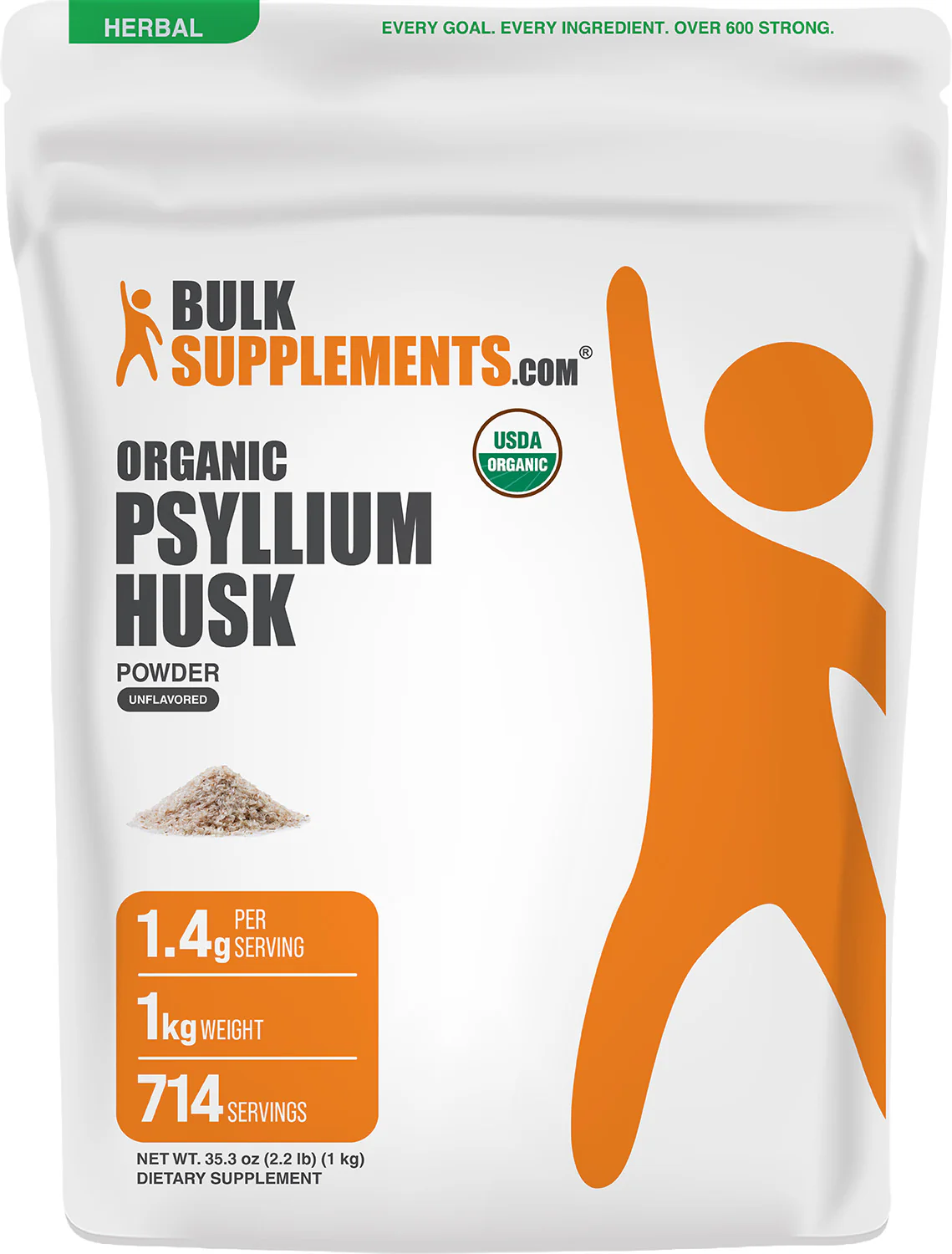
BulkSupplements is the go-to for people who buy fiber the way you buy flour — in bulk, for the pantry. Their organic psyllium is ultra-fine, filler-free, and sold in everything from a 500g bag up to a 5 kg sack.
That fine grind makes it a favorite for keto and gluten-free baking, where psyllium acts as a binder. It is certified organic Plantago ovata, third-party tested at multiple stages, and made to cGMP standards. A clean, minimalist choice for the DIY crowd.
✔ Pros: Great for baking; organic & third-party tested; scalable bulk sizes; no fillers.
✘ Cons: Plain resealable bag; small labeled serving size (measure your own dose).
Bottom line: The baker’s and bulk-buyer’s pick — fine, clean, and endlessly scalable.
What Sets It Apart
BulkSupplements wins on scalable pantry value. Multiple bag sizes, USDA Organic positioning, and a simple powder format make it useful for long-term users who dislike small tubs.
Best For / Skip If
Best for experienced psyllium users who know they want a plain organic powder in bulk. Skip if you need a beginner-friendly canister or flavor support.
Customer Feedback
Buyers usually like the price-per-serving and simple ingredient list. The common drawback is the plain pouch format, which can be messier than a tub.
Buying Tradeoff
The tradeoff is cost efficiency over polish. It is practical and economical, but less polished than branded canisters.
How to Take Psyllium Safely
Psyllium is remarkably safe, but a few rules make the difference between smooth sailing and a rough first week:
Start low. Begin with half a serving daily for a week, then build up. This limits the gas and bloating that come from feeding your gut bacteria new fiber.
Hydrate — always. Psyllium must be taken with a full glass of water and drunk promptly. Taken with too little liquid it can swell and pose a choking or blockage risk, so never take it dry.
Space out medications. Because psyllium slows absorption, take it at least 2–4 hours apart from prescription medicines. If you take regular medication, check with your doctor or pharmacist first.
Watch for allergy. True psyllium allergy is rare but real — stop and seek care if you notice hives or breathing trouble.
One more note: nearly every psyllium tub carries a California Prop 65 lead notice. This reflects trace lead the plant draws from soil, not contamination by the brand — another reason I lean toward third-party-tested powders.
Frequently Asked Questions
How much psyllium should I take per day?
For the heart-health benefit, the FDA target is about 7g of soluble fiber daily, usually split into two doses. Most people start around 5g and work up, always with plenty of water.
Powder or capsules — which is better?
Powder is more cost-effective and lets you hit a real dose easily; a single scoop can equal five or more capsules. Capsules win only on convenience. For most people, powder is the better value.
Can psyllium help with weight loss?
It may help indirectly. The gel slows stomach emptying and promotes fullness, which can curb appetite. It is a helpful tool alongside diet, not a standalone weight-loss cure.
When is the best time to take it?
Before meals is ideal for appetite and blood-sugar benefits. For regularity, any consistent time works — just keep it well away from medications.
Is it safe to take psyllium every day?
Yes, daily use is well studied and considered safe for most adults. Unlike stimulant laxatives, psyllium is not habit-forming — it works with your gut, not against it.
What Didn’t Make the List
A quick word on transparency, because trust matters more than a longer list.
Every product above is a genuine loose psyllium powder. I deliberately left out capsules, tablets, and multi-herb “colon-cleanse” blends — they belong in a different roundup, and several deliver only a fraction of the fiber a real scoop of powder does.
I also skipped most “fiber gummies” marketed alongside psyllium — the majority contain inulin or corn fiber, not psyllium at all. If the label doesn’t say psyllium husk, it isn’t on this list.
Medical disclaimer: This article is for general educational purposes and is not a substitute for personalized medical advice. Psyllium can interact with medications and is not appropriate for everyone. Talk with your own physician or pharmacist before starting any new supplement, especially if you take prescription drugs, are pregnant or nursing, or have a bowel condition.
About the medical reviewer
Dr. Masum Billah, MBBS, is a practicing physician and medical educator with over six years of experience evaluating the science behind dietary and nutritional supplements. He brings firsthand clinical insight to every review on Dietary Habit — cross-checking manufacturer claims against peer-reviewed research so readers get guidance that’s evidence-based, safe, and genuinely useful.
This article is for general education and is not a substitute for personal medical advice. Psyllium can interact with medications and may not be appropriate for people with swallowing difficulties, bowel obstruction risk, or certain medical conditions. Talk to a healthcare professional before starting a new fiber supplement if you are pregnant, managing a health condition, or taking prescription medication.