If your “acne” is a cluster of tiny, itchy, look-alike bumps that won’t budge no matter what you throw at it, you may not be dealing with acne at all. You may have fungal acne — properly called Malassezia (or pityrosporum) folliculitis — and the moisturizer you reach for matters more than almost any other step.
Here’s the catch most skincare advice misses: the yeast behind fungal acne feeds on the oils, fatty acids, and esters hiding in ordinary creams. The wrong moisturizer doesn’t just fail to help — it can quietly make things worse.
Below are ten Best Moisturizers for Fungal Acne I’d feel comfortable recommending — each screened against the ingredients that feed Malassezia, and chosen for real hydration without the flare.
Quick Picks
Best overall
La Roche-Posay Toleriane Sensitive Fluide
Best for oily skin
Sebamed Clear Face Care Gel
Best barrier repair
Malezia 5% Urea Moisturizer
Best budget seal
The Ordinary 100% Squalane
What Fungal Acne Actually Is
Malassezia is a yeast that lives on nearly everyone’s skin — these lipid-dependent yeasts make up more than 80% of the normal fungal population of human skin. Most of the time it behaves. Under the right conditions — heat, sweat, occlusion, or a course of antibiotics — it overgrows inside hair follicles and produces the uniform, itchy bumps we call fungal acne.
Because it’s a yeast and not bacteria, standard acne treatments often do nothing — and antibiotics can even tip the balance further in the yeast’s favor. That mismatch is why so many people chase the wrong routine for months.
The One Rule That Makes a Moisturizer “Safe”
Malassezia can’t make its own fats — it has to borrow them from your products. Starve it, and you take away its fuel. That’s the whole logic behind a fungal acne safe moisturizer.
Avoid (feeds the yeast)
Most oils & fatty acids (C11–C24), esters like glyceryl stearate, polysorbates, isopropyl myristate, and fermented ingredients (galactomyces, saccharomyces).
Look for (safe hydration)
Glycerin, hyaluronic acid, urea, panthenol, niacinamide, beta-glucan, and squalane — a hydrocarbon the yeast can’t eat.
One reassuring note: skipping moisturizer entirely backfires. Dehydrated skin ramps up oil production, which only gives Malassezia more to work with. The goal is lightweight, yeast-safe hydration — not none.
The 10 Best Moisturizers for Fungal Acne
1
Best for overall & sensitive skin
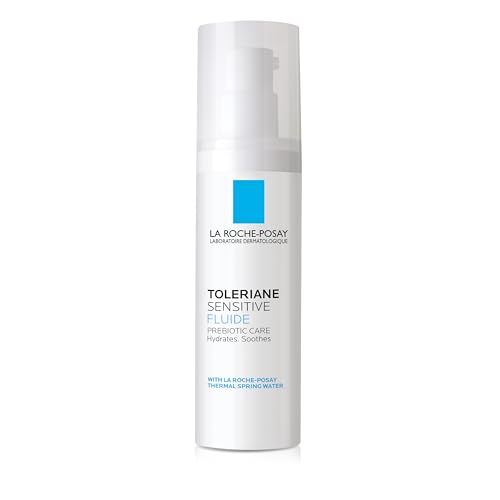
La Roche-Posay Toleriane Sensitive Fluide
★★★★½ 4.8 / 5 · our rating
10-ingredient formulaNiacinamideFragrance-freeOil-free
View on Amazon →
Why it’s my top pick
When a patient with fungal acne asks me where to start, this is usually it. The ingredient list is stripped down to essentials — prebiotic thermal water, glycerin, and a touch of niacinamide — with none of the fatty esters or oils that feed Malassezia. Fewer ingredients means fewer things that can trigger a flare.
Key ingredients
La Roche-Posay thermal spring water, glycerin, niacinamide (barrier support and light oil control). No fragrance, no drying alcohol, no fatty acids.
How to use
Apply a pea-sized amount to slightly damp skin morning and night. The gel-fluid texture sinks in fast and sits well under sunscreen or makeup.
Pros
- ✔Genuinely FA-safe, minimalist formula
- ✔Calms redness and sensitivity
- ✔Widely available and affordable
Cons
- ✘Light hydration may not satisfy very dry skin
- ✘Choose the Sensitive Fluide, not Double Repair
Bottom line: The safest all-rounder for most malassezia-prone faces — start here if you’re unsure.
2
Best for oily & congested skin
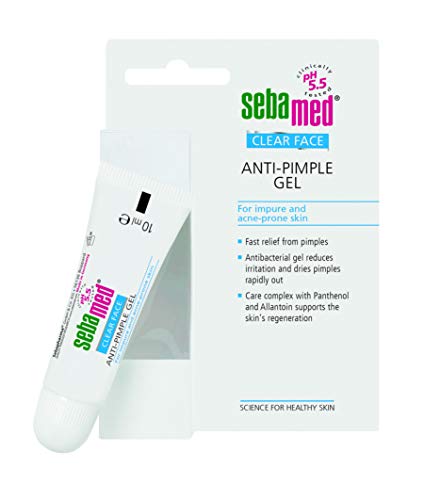
Sebamed Clear Face Care Gel
★★★★½ 4.7 / 5 · our rating
pH 5.5Aloe + panthenolAlcohol-freeUltra-simple
View on Amazon →
Why it works
A no-frills, water-based gel built around the skin’s natural acid mantle. The list is short and completely fungal acne safe: water, aloe vera, glycerin, hyaluronic acid, panthenol, and allantoin — humectants only, nothing the yeast can eat.
Key ingredients
Aloe vera and glycerin for lightweight hydration; panthenol and allantoin to calm irritation; a pH of 5.5 that helps keep Malassezia in check.
How to use
Smooth a thin layer over cleansed skin twice daily. Because it’s oil-free and gel-based, it layers beautifully over an antifungal treatment.
Pros
- ✔100% FA-safe, transparent formula
- ✔Mattifying feel oily skin loves
- ✔Gentle enough for daily long-term use
Cons
- ✘Too light on its own for dry or winter skin
- ✘Basic packaging, no actives beyond hydration
Bottom line: The cleanest lightweight option for oily, breakout-prone skin.
3
Best for barrier repair
Malezia 5% Urea Moisturizer
★★★★½ 4.7 / 5 · our rating
5% ureaBuilt for MalasseziaNiacinamideFragrance-free
View on Amazon →
Why it’s special
This is one of the few moisturizers designed from the ground up for malassezia folliculitis. Every ingredient is screened against the yeast’s food list, so you don’t have to decode the label yourself.
Key ingredients
5% urea — a humectant that also gently softens rough, bumpy texture — plus niacinamide and glycerin in a stripped-back, ester-free base.
How to use
Apply morning and night after any treatment step. Urea can tingle slightly on very compromised skin; start once daily if you’re sensitive.
Pros
- ✔Purpose-built and fully FA-safe
- ✔Urea smooths bumps while it hydrates
- ✔Simple, trustworthy formula
Cons
- ✘Smaller brand — confirm current stock
- ✘Urea may sting broken or raw skin
Bottom line: The specialist’s pick when you want zero guesswork on ingredients.
4
Best for soothing & barrier support
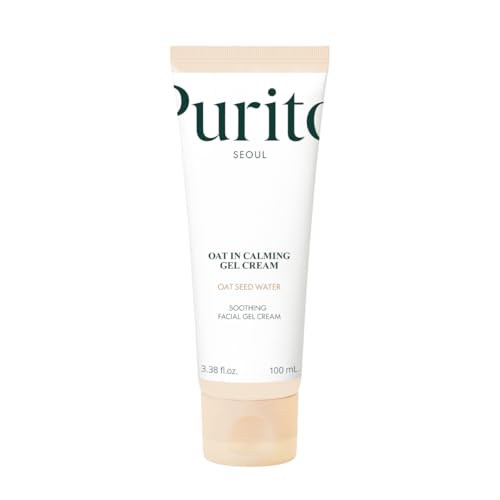
Purito Oat-in Calming Gel Cream
★★★★½ 4.6 / 5 · our rating
Oat + beta-glucanSqualaneCentellaK-beauty
View on Amazon →
Why it made the list
A cult K-beauty gel-cream that reads like a checklist of yeast-safe heroes: oat seed water, glycerin, squalane, panthenol, and beta-glucan. It hydrates and calms without a single Malassezia trigger.
Key ingredients
Beta-glucan and oat to soothe reactive skin; squalane (a hydrocarbon, not an oil) for slip; centella to quiet inflammation around active bumps.
How to use
Great as your main moisturizer for combination skin, or as a soothing layer after an antifungal wash. Fragrance-free and comfortable morning or night.
Pros
- ✔FA-safe and deeply calming
- ✔Barrier-supportive beta-glucan
- ✔Pleasant, non-greasy gel texture
Cons
- ✘Availability can vary by seller
- ✘Cushiony finish less ideal for very oily skin
Bottom line: The comfort pick for irritated, mid-flare skin.
5
Best for a lightweight daily lotion
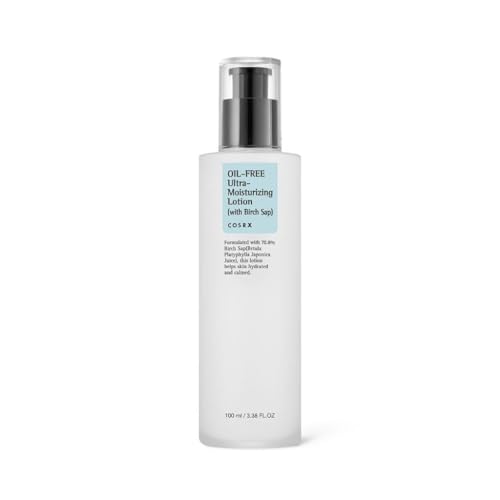
COSRX Oil-Free Ultra-Moisturizing Lotion
★★★★½ 4.5 / 5 · our rating
Birch sap baseOil-freeLightweightEveryday
View on Amazon →
Why it works
COSRX swaps plain water for birch sap and keeps the formula oil-free, giving you a true lotion feel that stays fungal acne safe. It’s the closest thing to a “normal” moisturizer on this list.
Key ingredients
Birch sap and hyaluronic sources for hydration, with no fatty esters or plant oils that Malassezia feeds on.
How to use
Apply a thin layer twice daily. Absorbs quickly with a soft, semi-matte finish that works well under SPF.
Pros
- ✔Familiar lotion texture, FA-safe
- ✔Absorbs fast, layers cleanly
- ✔Easy to find and reasonably priced
Cons
- ✘Not rich enough for very dry skin
- ✘Modest active benefits beyond hydration
Bottom line: The everyday lotion for people who miss a “regular” moisturizer.
6
Best for large pores & oily skin
SKIN1004 Madagascar Centella Poremizing Light Gel Cream
★★★★½ 4.5 / 5 · our rating
CentellaSqualane high in listGel-creamPore-refining
View on Amazon →
Why it made the list
A featherlight gel-cream aimed at oily, congested skin. Squalane sits high on the list and centella asiatica calms the low-grade inflammation that so often rides alongside pityrosporum folliculitis.
Key ingredients
Centella asiatica extract to soothe, squalane for weightless slip, and humectants for hydration — no oils or esters that feed yeast.
How to use
Best for daytime under sunscreen when heavier creams feel greasy. A little goes a long way on oily skin.
Pros
- ✔Refreshing, pore-friendly finish
- ✔Centella calms redness
- ✔FA-safe and non-greasy
Cons
- ✘Too light for dry skin types
- ✘Gel finish can feel tacky if over-applied
Bottom line: The daytime pick for oily skin and visible pores.
7
Best for treating and hydrating together
Almond Clear 2-in-1 Hydrating Gel
★★★★½ 4.5 / 5 · our rating
Mandelic acidAzelaic acidPanthenolDual-action
View on Amazon →
Why it’s clever
This one pulls double duty. Mandelic and azelaic acids both have anti-inflammatory, anti-microbial credentials useful against Malassezia, while panthenol keeps the base hydrating — all in a fungal acne safe formula.
Key ingredients
Mandelic acid (gentle exfoliation, sebum control), azelaic acid (calms redness and bumps), panthenol (barrier comfort).
How to use
Start every other night to gauge tolerance, then build to daily. Pair with a bland FA-safe moisturizer on off-nights if needed.
Pros
- ✔Treats and moisturizes in one step
- ✔Acids that help calm active bumps
- ✔Good value dual-action formula
Cons
- ✘Acids can irritate if overused
- ✘Introduce slowly on sensitive skin
Bottom line: The efficient pick when you want treatment and hydration together.
8
Best for dry skin wanting a dewy finish
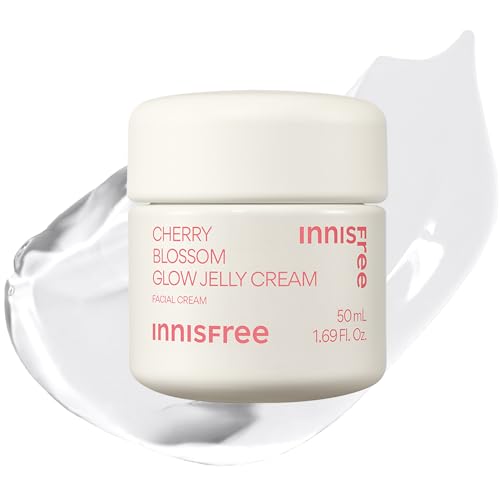
Innisfree Dewy Glow Jelly Cream
★★★★ 4.4 / 5 · our rating
Hyaluronic hydrationDewy finishJelly textureFA-safe
View on Amazon →
Why it made the list
Proof that malassezia-safe doesn’t have to mean matte and boring. This jelly cream leans on humectants for a plumped, dewy look that dry FA-prone skin rarely gets to enjoy.
Key ingredients
Hyaluronic sources and glycerin for bouncy hydration, in a jelly base free of the oils and esters that trigger flares.
How to use
Apply as your final hydrating step, day or night. Layer a second coat on dry patches instead of reaching for a heavy cream.
Pros
- ✔Dewy, comfortable hydration
- ✔Nice option for dry FA skin
- ✔Lightweight despite the glow
Cons
- ✘Confirm the exact current SKU
- ✘Glow finish won’t suit oily skin
Bottom line: The hydration-forward pick for drier, dull-looking skin.
9
Best for budget & final seal
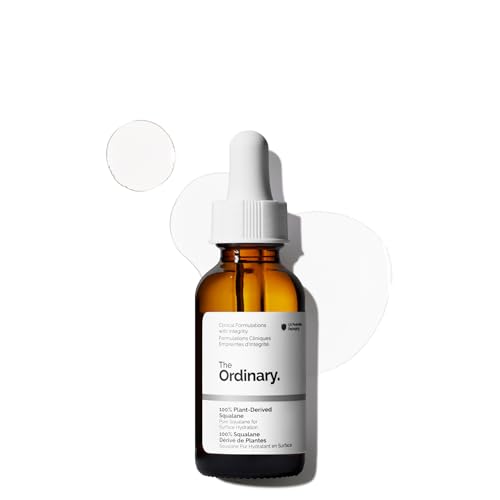
The Ordinary 100% Plant-Derived Squalane
★★★★½ 4.6 / 5 · our rating
Single ingredientHydrocarbon, not oilUnder $10Universally safe
View on Amazon →
Why every FA routine needs it
Squalane confuses people — it feels like an oil but it’s a hydrocarbon the yeast can’t use, which makes it one of the few “oils” that’s fungal acne safe. One ingredient, nothing to decode.
Key ingredients
100% plant-derived squalane. That’s the entire list — no esters, no fatty acids, no fragrance.
How to use
Press a few drops over your moisturizer at night to seal in hydration, or mix a drop into a lighter gel for extra comfort in winter.
Pros
- ✔Impossible to get wrong — one ingredient
- ✔Seals moisture without feeding yeast
- ✔Extremely affordable
Cons
- ✘A seal, not a standalone moisturizer
- ✘Very dry skin needs a humectant underneath
Bottom line: The cheapest, foolproof way to lock in hydration.
10
Best for combination skin & oil control
DrFormulas Niacinamide Daily Moisturizer
★★★★ 4.4 / 5 · our rating
NiacinamideOil-freeNon-comedogenicCombination skin
View on Amazon →
Why it made the list
A niacinamide-forward daily cream that stays oil-free and yeast-safe. Niacinamide is a quiet multitasker here — it tempers oil, supports the barrier, and calms the inflammation behind the bumps.
Key ingredients
Niacinamide as the lead active, with humectants for hydration and no Malassezia-feeding oils or esters.
How to use
Apply morning and night. Its balanced finish suits combination skin that’s oily in the T-zone but tight on the cheeks.
Pros
- ✔Niacinamide adds real barrier value
- ✔Balanced finish for combination skin
- ✔Oil-free and FA-safe
Cons
- ✘Confirm the live listing before buying
- ✘Less exciting for those wanting a glow
Bottom line: The balanced niacinamide pick for combination skin.
How to Choose the Right One for You
Oily or congested? Reach for a gel — Sebamed or SKIN1004. Dry or tight? A humectant-rich jelly like Innisfree, sealed with a drop of squalane. Not sure? The La Roche-Posay fluide suits almost everyone.
Whatever you choose, pair it with an antifungal step — a zinc pyrithione or ketoconazole wash used as a short-contact treatment — since antifungal therapy is what actually clears the yeast. The moisturizer’s job is to hydrate without undoing that work.
Frequently Asked Questions
Can a moisturizer alone cure fungal acne?
No. A safe moisturizer stops you from feeding the yeast, but clearing an active flare usually needs an antifungal like ketoconazole or zinc pyrithione. Think of the moisturizer as support, not the cure.
Is hyaluronic acid safe for fungal acne?
Yes. Hyaluronic acid and glycerin are humectants — they pull in water without giving Malassezia any fat to feed on, so both are well tolerated.
Why isn’t The Ordinary NMF on this list?
It’s a great general moisturizer, but it contains linoleic, oleic, palmitic and stearic acids plus polysorbate 60 — all Malassezia food. That’s why it’s a common (and disappointing) trigger for fungal acne.
Is squalane an oil? Won’t it feed the yeast?
Squalane feels like an oil but is technically a hydrocarbon the yeast can’t metabolize, which is why it’s one of the few “oils” that’s fungal acne safe.
What Didn’t Make the List
A few popular favorites were left off on purpose — not because they’re bad products, but because they contain ingredients that feed Malassezia:
The Ordinary NMF + HA, CeraVe (all versions), Cetaphil Moisturizing Lotion, and Bioderma Hydrabio Gel Cream all carry fatty acids, esters, or emulsifiers that flare fungal acne. If you’re yeast-prone, they’re worth skipping.
Last Words: Choosing the Best Moisturizer for Fungal Acne
The best moisturizer for fungal acne is the simplest formula your skin will use consistently without worsening itch, uniform bumps, or congestion. Oily skin usually does best with Sebamed or SKIN1004; reactive skin may prefer La Roche-Posay or Purito; dry skin can layer a gel moisturizer with a few drops of squalane.
Introduce one product at a time and patch-test first. If the eruption is painful, spreading, recurrent, or unchanged after an appropriate antifungal plan, see a dermatologist. A moisturizer protects the barrier; an accurate diagnosis decides the treatment.
Dr
Dr. A.S.M. Masum Billah, MBBS
General physician and skincare writer. This guide reflects clinical experience with Malassezia-related skin conditions and current dermatology literature. Every product was checked against the ingredients known to feed Malassezia.
Medical disclaimer: This article is for general education and is not a substitute for professional medical advice. If your fungal acne is persistent, widespread, or worsening, see a dermatologist — prescription antifungals may be needed. Oral ketoconazole is no longer a first-line option due to liver-safety concerns; topical antifungals are generally preferred.