
We only recommend products we love and that we think you will, too. We may receive a portion of sales from products purchased from this article.

Medically reviewed by Dr. A.S.M. Masum Billah, MBBS

As women move past 50, their bodies face a unique set of challenges—bone density dips, muscle cramps creep in at night, sleep sometimes goes haywire, and let’s not even mention the occasional “senior moment.” While calcium often steals the spotlight, magnesium is the real quiet hero. From supporting strong bones and keeping your heart rhythm steady to calming nerves and promoting restorative sleep, magnesium plays a starring role in aging gracefully.
But here’s the catch: post-menopausal women are more likely to be deficient in magnesium, thanks to changes in absorption and dietary shifts. According to the National Institutes of Health, more than 60% of women over 50 don’t hit the recommended daily magnesium intake (320 mg). Deficiency can worsen bone loss, increase blood pressure, and heighten the risk of type 2 diabetes.
The good news? The right magnesium supplement can fill that gap. But choosing the right one isn’t just about grabbing any bottle at the drugstore. Some forms absorb better, some are gentler on the stomach, and some even help with cognitive sharpness.
That’s why I’ve reviewed the 10 best magnesium supplements for women over 50, analyzing real formulations, dosages, ingredient quality, and actual customer feedback. Let’s dive in.
Best Magnesium Glycinate Supplements
Why Magnesium Matters So Much After 50
As women hit their 50s, magnesium becomes a foundational mineral for health—not just a “nice-to-have”:
- Bone Health: Multiple studies show that postmenopausal women with lower serum magnesium levels tend to have poorer bone mineral density (BMD), especially in the hip and spine. One meta-analysis found significantly lower magnesium concentrations in women with osteoporosis compared to healthy controls. Mayo Clinic Press+3PubMed+3ScienceDirect+3PMC+1
- Sleep & Anxiety: While evidence is still evolving, a 2023 systematic review found correlations between magnesium status and sleep quality—though randomized clinical trials showed mixed results. PubMed
- Bone Density Trends: Cohort data in Frontiers in Endocrinology linked lower dietary magnesium intake to reduced hip BMD in large groups of postmenopausal women. National Geographic+11Frontiers+11Academic Oxford+11
Different Forms of Magnesium Explained
If you’ve ever been overwhelmed in the supplement aisle, you’re not alone. The label “magnesium” can mean very different things:
- Magnesium Glycinate (Bisglycinate) → Best for sleep, relaxation, and gentle digestion.
- Magnesium Citrate → Best for muscle cramps and constipation relief.
- Magnesium Oxide → Cheap, but poorly absorbed; can cause diarrhea.
- Magnesium Malate → Supports energy metabolism and may reduce fatigue.
- Magnesium L-Threonate → Crosses the blood-brain barrier, excellent for memory and cognition.
- Magnesium Chloride → High absorption, often used in topical sprays.
For women over 50, the best choices are glycinate, citrate, and L-threonate, depending on the main health goals.
Best Magnesium Malate Supplements
Signs You Might Be Low in Magnesium
Even if you eat a fairly balanced diet, magnesium deficiency can sneak up—especially after menopause. Symptoms include:
- Nighttime leg cramps or restless legs
- Difficulty falling asleep
- Increased anxiety or mood swings
- Low bone density or fractures
- Constipation
- Frequent fatigue and “low energy days”
If these sound familiar, it’s worth checking magnesium intake with your doctor.
Can You Get Magnesium from Food?
Absolutely. In fact, food should be your primary source. Top magnesium-rich foods include:
- Dark leafy greens (spinach, kale, Swiss chard)
- Pumpkin seeds and sunflower seeds
- Almonds and cashews
- Black beans and chickpeas
- Avocado
- Dark chocolate (yes, you read that right!)
But here’s the kicker: soil depletion and modern food processing mean today’s food contains less magnesium than it did 50 years ago. That’s why supplementation often becomes necessary for women over 50.
Safety and Side Effects of Magnesium Supplements
For most women, magnesium is very safe. But overdoing it—or picking the wrong form—can cause problems.
- Too much magnesium (usually >600 mg/day) can trigger diarrhea, nausea, and cramping.
- Kidney issues: Women with impaired kidney function should avoid high doses without medical supervision.
- Medication interactions: Magnesium can interfere with antibiotics, thyroid medications, and some osteoporosis drugs—so spacing out doses is important.
Tip: Start low (200–250 mg) and increase gradually as tolerated.
Best Magnesium Taurate Supplements
How to Choose the Right Magnesium Supplement for YOU
Ask yourself:
- Do you struggle with sleep? → Choose glycinate.
- Is constipation your main issue? → Go with citrate.
- Concerned about memory and brain health? → Look into L-threonate.
- Want all-round support on a budget? → Doctor’s Best or NOW Foods are excellent choices.
Expert Opinions on Magnesium for Midlife Women
Dr. Carolyn Dean, author of The Magnesium Miracle, explains:
“Magnesium is the mineral women over 50 cannot afford to ignore. It regulates more than 300 biochemical reactions in the body, many of which decline with age and hormonal changes.”
A study in the Journal of the American College of Nutrition found that postmenopausal women with higher magnesium intakes had better bone density and lower inflammation markers.
Top 10 Best Magnesium Supplements for Women Over 50
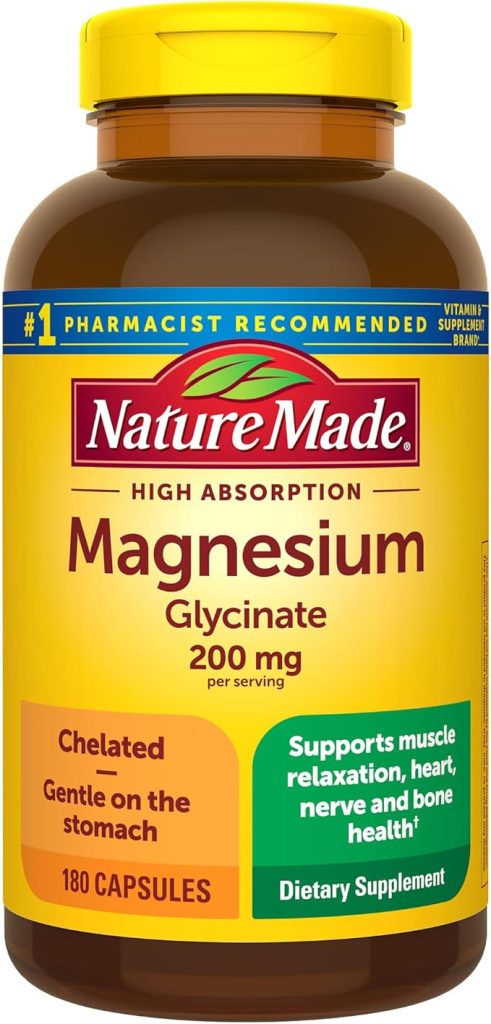
1. Nature Made Magnesium Glycinate – 200 mg, 60 Capsules
Key Features
- Delivers 200 mg of magnesium glycinate per serving (2 capsules).
- Gentle form (bisglycinate) that minimizes digestive upset.
- Free from gluten, artificial flavors, and preservatives.
- Backed by USP verification for purity and potency.
What Makes It Stand Out
Magnesium glycinate is often considered the gold standard for women over 50. Unlike magnesium oxide—which has poor absorption and can trigger bathroom emergencies—glycinate binds magnesium to the amino acid glycine, improving uptake and reducing laxative effects. This makes it an excellent daily choice, especially for women who already deal with sensitive digestion.
Another plus? Nature Made has a long track record of producing supplements that are independently tested and affordable. Many customers note improved sleep quality and fewer leg cramps within weeks of consistent use.
How It Helps Women Over 50
- Bone Health: Magnesium partners with calcium and vitamin D to maintain bone density, which is crucial during and after menopause.
- Nervous System: Helps with mood regulation and anxiety, common concerns in midlife.
- Sleep Support: Glycinate promotes relaxation, making it easier to drift into restorative sleep.
How to Use
Take two capsules daily, preferably with a meal to enhance absorption. For women already on calcium or multivitamins, spacing magnesium a few hours apart prevents absorption clashes.
Pros & Cons
Pros
- Highly bioavailable form
- USP-verified quality
- Gentle on digestion
Cons
- Requires two capsules per dose
- Some users find the capsules slightly large
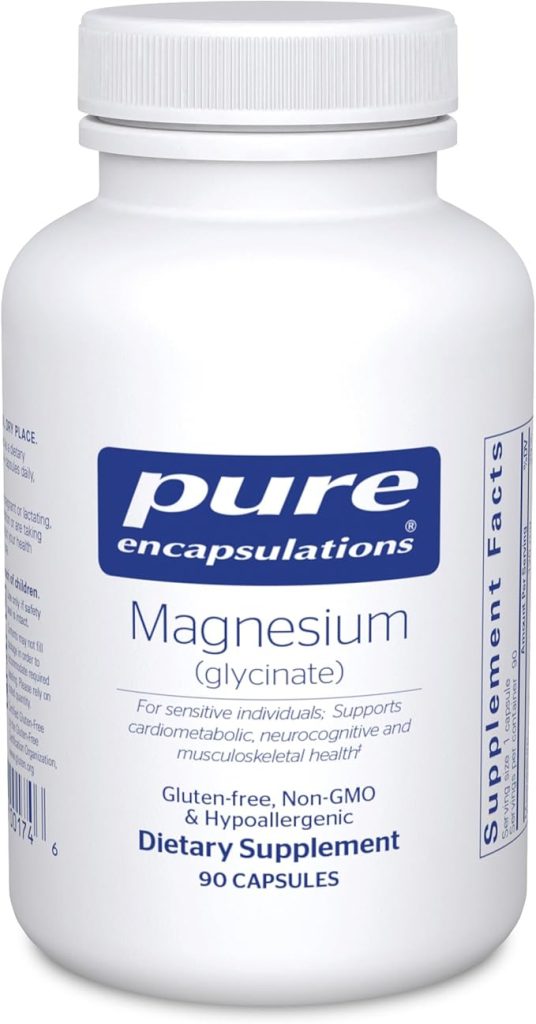
2. Pure Encapsulations Magnesium Glycinate – 120 mg per Capsule
Key Features
- Each capsule delivers 120 mg of magnesium glycinate.
- Hypoallergenic formula: free from gluten, dairy, soy, GMOs, and artificial additives.
- Available in multiple bottle sizes (90, 180, 360).
- Third-party tested for purity and potency.
What Makes It Stand Out
Pure Encapsulations has built a reputation for producing clinical-grade supplements trusted by dietitians and physicians. Their magnesium glycinate is frequently recommended for patients with chronic stress, insomnia, and post-menopausal bone loss. Unlike blends that sneak in cheaper forms like magnesium oxide, this product contains pure glycinate for maximum absorption.
What really sets it apart is the clean-label philosophy. Many women over 50 have sensitivities or prefer allergen-free formulas—this one ticks all the boxes. And clinical testing adds confidence that what’s on the label is what’s in the capsule.
How It Helps Women Over 50
- Bone Support: By improving calcium metabolism, it helps protect against osteoporosis.
- Cognitive Health: Glycine, paired with magnesium, may support memory and reduce brain fog.
- Better Sleep: Many users report deeper, more restful sleep within 2–3 weeks.
How to Use
Take 1–2 capsules daily, ideally in the evening for sleep benefits. Those with higher magnesium needs may adjust under physician guidance.
Pros & Cons
Pros
- Ultra-clean formula for sensitive individuals
- Third-party tested, clinician-recommended
- Small, easy-to-swallow capsules
Cons
- Lower dose per capsule (may require 2–3 daily)
- Pricier than generic brands
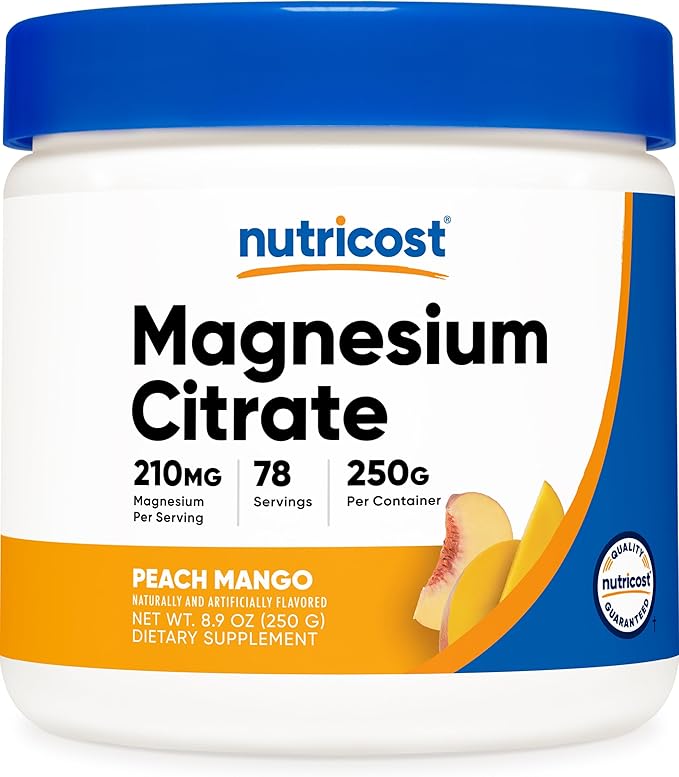
3. Nutricost Magnesium Citrate Powder – 210 mg per Scoop
Key Features
- Delivers 210 mg magnesium citrate per scoop.
- Available in unflavored and fruity flavors (Peach Mango, Raspberry Lemonade).
- Non-GMO, gluten-free, and made in the USA.
- One tub provides up to 320 servings.
What Makes It Stand Out
Not everyone enjoys swallowing pills, and that’s where powders shine. Nutricost’s magnesium citrate offers flexibility: stir into water, juice, or a smoothie. Magnesium citrate is particularly well-known for its muscle-relaxing and mild laxative effect, making it a great option for women dealing with constipation alongside muscle cramps or poor sleep.
Its big win? Cost-effectiveness. With hundreds of servings in a single container, it’s budget-friendly without skimping on quality.
How It Helps Women Over 50
- Digestive Health: Gentle laxative properties help prevent age-related constipation.
- Muscle Relaxation: Citrate is often used for leg cramps or post-exercise soreness.
- Energy Metabolism: Magnesium supports over 300 enzymatic reactions, including ATP production.
How to Use
Mix 1 scoop with 8–12 oz of water. Best taken in the evening to reduce the chance of overnight bowel urgency. Start with half a scoop to test tolerance.
Pros & Cons
Pros
- Powder form for flexible dosing
- Large supply, great value
- Helpful for digestion and cramp relief
Cons
- Citrate may cause loose stools in sensitive users
- Not as calming for sleep compared to glycinate
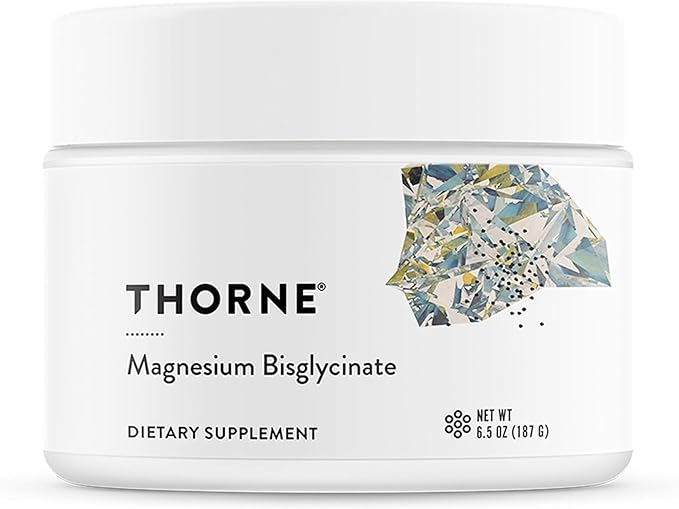
4. Thorne Magnesium Bisglycinate Powder – 200 mg per Scoop
Key Features
- Each scoop provides 200 mg of magnesium bisglycinate.
- NSF Certified for Sport, ensuring purity.
- Powder dissolves easily in water or shakes.
- Free from gluten, soy, and dairy.
What Makes It Stand Out
Thorne is a doctor-favorite brand, often used in integrative and sports medicine clinics. This powder combines the high absorption of glycinate with the ease of powdered dosing. Unlike citrate, it won’t upset your stomach, making it perfect for women who want magnesium’s calming effects without GI side effects.
It’s also NSF Certified for Sport, a rigorous testing process that reassures athletes and health-conscious women about safety.
How It Helps Women Over 50
- Sleep Aid: Glycinate form calms the nervous system, easing menopause-related insomnia.
- Heart & Muscle Health: Supports healthy rhythm and muscle recovery.
- Stress Balance: Calms nervous tension linked with midlife hormonal shifts.
How to Use
Take 1 scoop nightly, mixed into water or herbal tea. Works well as part of a bedtime routine.
Pros & Cons
Pros
- High-quality, clinical reputation
- Gentle on digestion
- Certified for purity and safety
Cons
- More expensive than capsule forms
- Requires mixing—less convenient when traveling
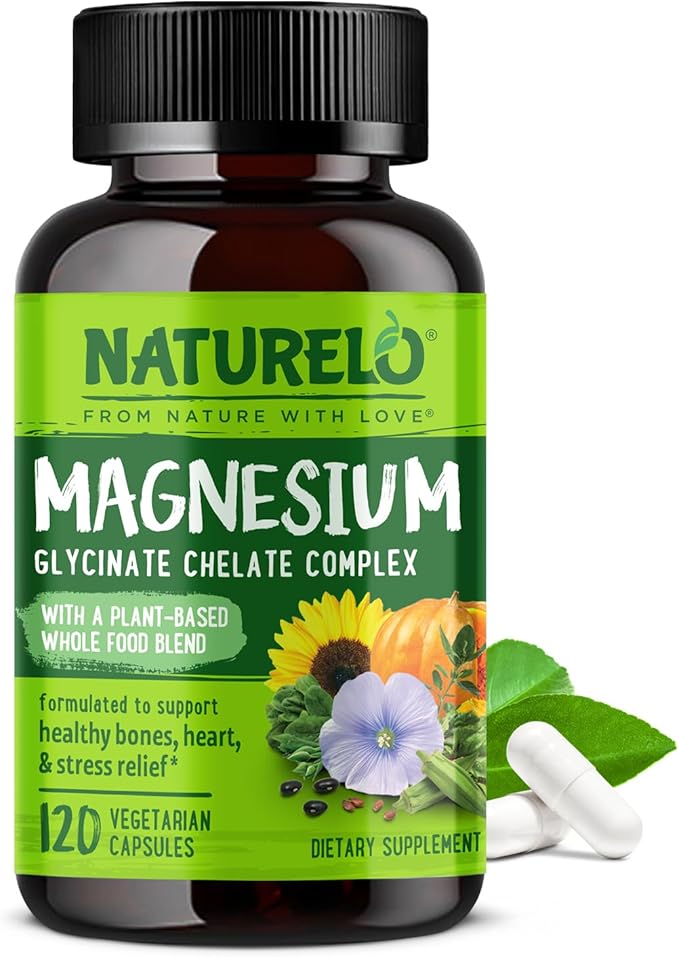
5. NATURELO Magnesium Glycinate Complex – 200 mg per Capsule
Key Features
- 200 mg magnesium glycinate per capsule.
- Enhanced with an organic vegetable blend (spinach, kale, beets).
- Vegan, gluten-free, soy-free.
- No synthetic fillers.
What Makes It Stand Out
NATURELO takes a whole-food approach to supplementation. Their magnesium glycinate is combined with nutrient-dense vegetables, making it more appealing for women who want plant-based support. Many users report that this formula feels “softer” on the stomach than synthetic-only brands.
It’s particularly popular with women managing restless legs and post-menopausal bone health, with consistent feedback about improved muscle relaxation.
How It Helps Women Over 50
- Bone Density: Combines magnesium with natural minerals from veggies for synergistic support.
- Digestive Comfort: Clean, plant-rich capsules reduce stomach irritation.
- Overall Wellness: Provides trace phytonutrients alongside magnesium.
How to Use
Take 1 capsule daily with food. Can be paired with a multivitamin or calcium supplement.
Pros & Cons
Pros
- Plant-based formulation
- Strong 200 mg per capsule dose
- Clean-label, vegan-friendly
Cons
- Pricier than synthetic options
- Large capsules may be harder to swallow
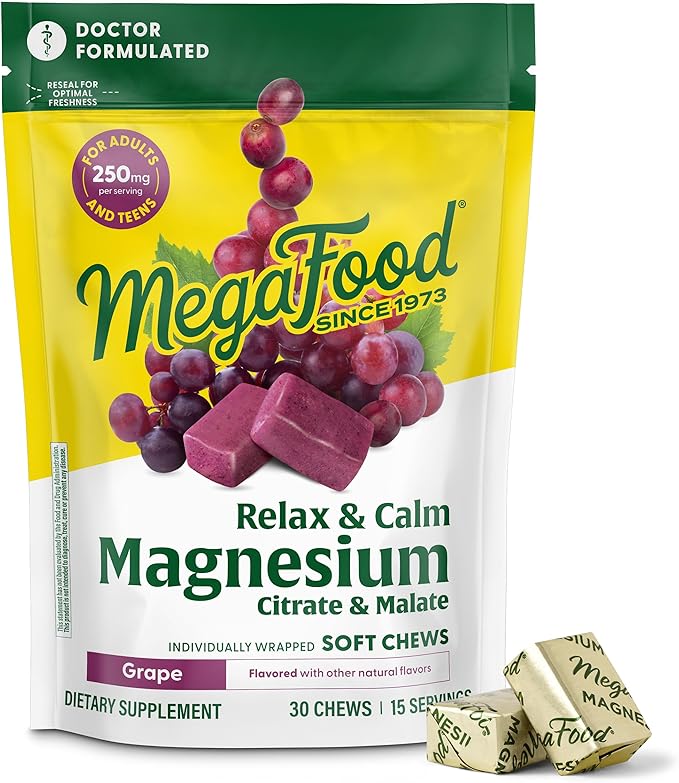
6. MegaFood Magnesium – 250 mg per Serving
Key Features
- Provides 250 mg magnesium in a highly absorbable form.
- Made with whole food concentrates (brown rice, broccoli).
- Non-GMO, certified glyphosate residue free.
- Tested for purity and heavy metals.
What Makes It Stand Out
MegaFood has a loyal following for its farm-to-table philosophy. Their magnesium is made with food-derived ingredients, appealing to women who want supplementation that mimics nature. It’s one of the most trusted brands among those seeking clean, sustainably sourced supplements.
How It Helps Women Over 50
- Sleep & Relaxation: Supports melatonin production naturally.
- Muscle & Joint: Relieves tension and cramping.
- Stress Management: Whole-food synergy aids nervous system balance.
How to Use
Take 1 tablet daily, with or without food.
Pros & Cons
Pros
- Whole food-based formula
- High 250 mg dose
- Clean-label brand, heavy-metal tested
Cons
- Tablets can be chalky
- Higher price point
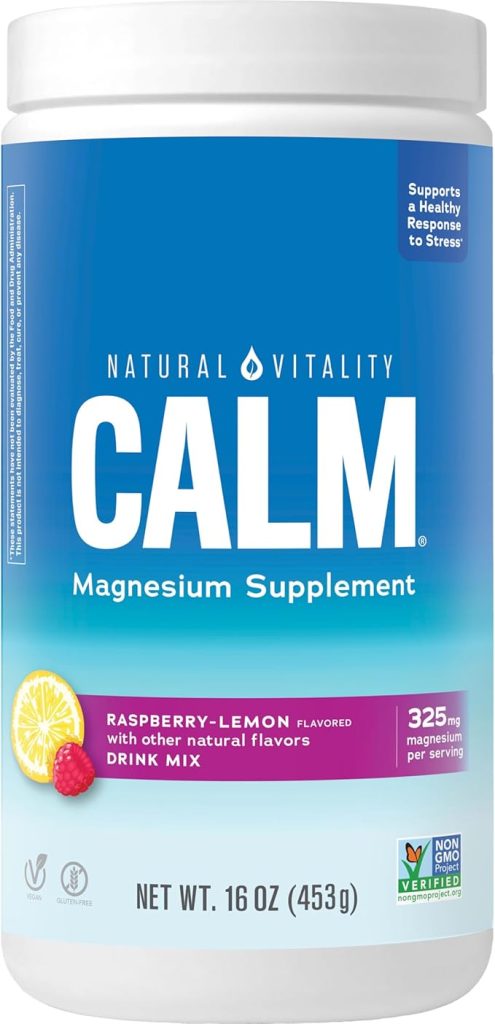
7. Natural Vitality Calm – Magnesium Glycinate Powder
Key Features
- Provides 325 mg magnesium per serving.
- Effervescent powder that dissolves in water.
- Popular in unflavored, raspberry-lemon, and cherry flavors.
- Vegan and gluten-free.
What Makes It Stand Out
Nicknamed “the anti-stress drink,” Calm is widely recommended by nutritionists for relaxation. Women over 50 often struggle with sleep disturbances and stress—this product addresses both with an easy bedtime ritual. Its sparkling, lightly flavored drink makes supplementation feel like self-care rather than a chore.
How It Helps Women Over 50
- Stress Relief: Promotes calmness after a hectic day.
- Sleep Support: Widely reported to improve bedtime routines.
- Menopause Symptoms: Helps with hot-flash-related restlessness.
How to Use
Mix 1–2 teaspoons with warm water before bed. Start with a half serving to gauge tolerance.
Pros & Cons
Pros
- Tasty, easy bedtime ritual
- Fast-acting relaxation
- Great for stress and insomnia
Cons
- Can cause loose stools if too much is taken
- Requires preparation (not capsule-convenient)
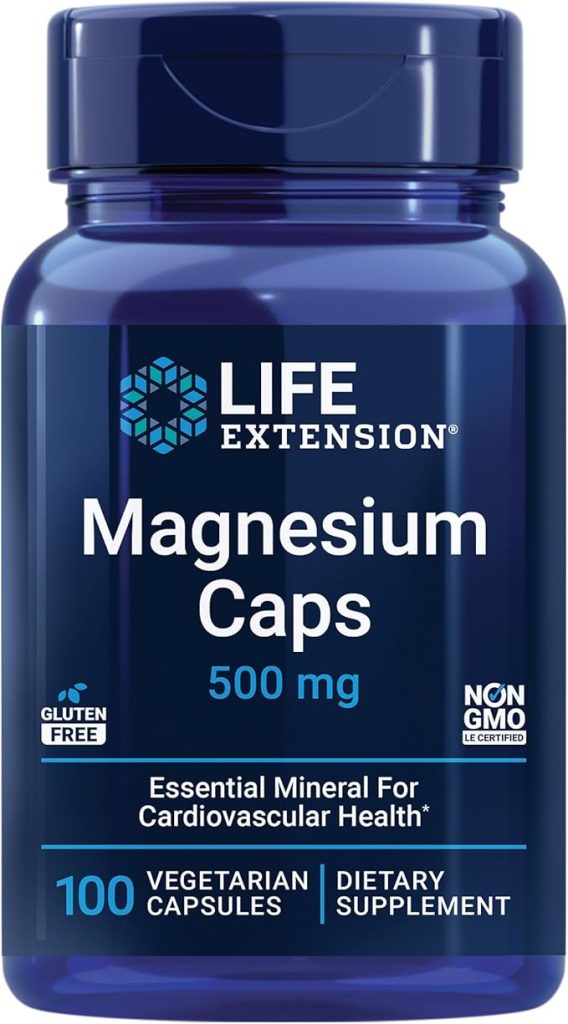
8. Life Extension Magnesium Caps – 500 mg per Serving
Key Features
- Each serving contains 500 mg magnesium (oxide, citrate, succinate).
- 100 vegetarian capsules per bottle.
- Third-party tested for purity.
What Makes It Stand Out
Life Extension has a science-forward reputation. While this product uses a blend of magnesium forms (not purely glycinate), it’s a powerhouse for women looking for a higher-strength option. The inclusion of citrate and succinate aids absorption beyond oxide alone.
How It Helps Women Over 50
- Heart Health: Higher magnesium intake supports blood pressure balance.
- Energy: Succinate supports cellular energy.
- Bone Maintenance: Aids calcium metabolism.
How to Use
Take 1 capsule daily with meals.
Pros & Cons
Pros
- High 500 mg per serving
- Trusted brand with science backing
- Affordable
Cons
- Contains oxide (lower absorption)
- Larger pill size
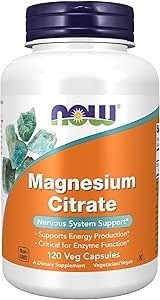
9. NOW Foods Magnesium Citrate – 200 mg
Key Features
- 200 mg magnesium citrate per capsule.
- Non-GMO, vegan, and GMP certified.
- Affordable bulk sizes available.
What Makes It Stand Out
NOW Foods is a budget-friendly staple. Their magnesium citrate offers reliable absorption at a modest price. This is a practical pick for women who want consistent supplementation without premium price tags.
How It Helps Women Over 50
- Supports Bone & Nerve Health.
- Gentle Digestive Benefits.
- Cost-Effective choice for long-term use.
How to Use
Take 2 capsules daily with food.
Pros & Cons
Pros
- Affordable and accessible
- Good absorption rate
- Non-GMO, vegan
Cons
- Not as calming as glycinate
- Capsule count adds up for higher doses
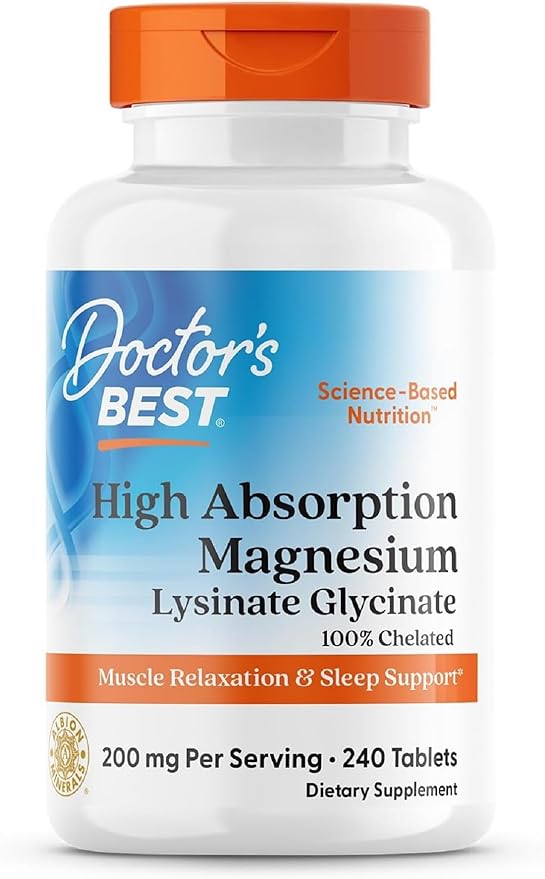
10. Doctor’s Best High Absorption Magnesium – 200 mg per Tablet
Key Features
- Each serving: 200 mg magnesium chelate (Albion Minerals patented).
- 240 tablets per bottle.
- Vegan, gluten-free, soy-free.
What Makes It Stand Out
Doctor’s Best uses a patented chelated form, designed for high absorption without GI upset. This formula is widely used in clinical trials and has consistent user praise for its effectiveness in reducing leg cramps and enhancing sleep.
How It Helps Women Over 50
- Bone Density: Helps protect against age-related bone thinning.
- Heart & Nerves: Chelated form supports optimal nervous system function.
- Menopause Relief: Reduces stress, cramps, and sleep disruptions.
How to Use
Take 2 tablets daily, with or without food.
Pros & Cons
Pros
- Patented chelated form for absorption
- Large supply (240 tablets)
- Gentle on the stomach
Cons
- Tablets are quite firm
- Some users prefer capsules over tablets
Final Thoughts
Magnesium is not just a supplement—it’s a midlife ally. From supporting restful sleep to protecting bone strength and easing menopause-related stress, it deserves a front-row seat in every woman’s health routine after 50.
Whether you prefer the clinical-grade precision of Pure Encapsulations, the budget-friendliness of NOW Foods, or the relaxing bedtime ritual of Natural Vitality Calm, there’s a magnesium supplement here to fit your lifestyle and health priorities.
So next time you feel your muscles twitching at night, your sleep schedule unraveling, or your bones needing a little extra reinforcement—remember: a quality magnesium supplement may be the missing piece.
FAQs About Magnesium Supplements for Women Over 50
1. What is the best type of magnesium for women over 50?
For most women in this age group, magnesium glycinate (bisglycinate) is the best option. It offers high absorption, is gentle on the stomach, and supports relaxation and sleep. Women who need digestive support may prefer magnesium citrate, which also helps ease constipation.
2. How much magnesium should a woman over 50 take daily?
The Recommended Dietary Allowance (RDA) is 320 mg per day for women over 50. Many clinicians recommend a slightly higher intake—around 400–500 mg per day from diet and supplements combined—to better support bone, heart, and nervous system health.
3. Can magnesium help with menopause symptoms?
Yes. Magnesium supplementation has been linked with improvements in sleep quality, hot flashes, mood stability, and bone density during and after menopause. While results vary, many women report feeling calmer and sleeping better when their magnesium intake is adequate.
4. What foods are naturally rich in magnesium?
You can boost magnesium intake with foods such as:
- Spinach and leafy greens
- Pumpkin and sunflower seeds
- Almonds and cashews
- Black beans and chickpeas
- Avocado
- Dark chocolate
However, soil depletion and food processing mean that supplements are often needed to consistently meet requirements.
5. Are there any side effects of taking magnesium supplements?
Most women tolerate magnesium well, especially glycinate forms. However, taking more than 600 mg/day can lead to diarrhea, cramping, or nausea. Women with kidney disease or those on certain medications (like antibiotics or thyroid drugs) should check with a doctor before supplementing.