
We only recommend products we love and that we think you will, too. We may receive a portion of sales from products purchased from this article.

Medically reviewed by Dr. A.S.M. Masum Billah, MBBS

Inflammation doesn’t just show up in red, swollen joints. It creeps into your digestion, fogs up your brain, and slows your body like molasses. Whether it’s sore knees, post-meal bloating, or that general “why-do-I-feel-like-I-got-hit-by-a-truck” fatigue—chronic inflammation is the silent disruptor of modern health.
Ginger, as it turns out, isn’t just for sushi trays or grandma’s tea. Clinical studies have shown its active compounds—gingerols and shogaols—help reduce inflammatory pathways, rivaling some over-the-counter meds in effectiveness. That’s huge. Especially when you’re trying to avoid popping ibuprofen like mints.
But not all ginger supplements deliver the goods. Some are underdosed. Some use weak forms. Others are just overpriced marketing fluff in a bottle.
That’s why I’ve done the hard work: breaking down the 10 best ginger supplements for inflammation that are actually worth your money. Whether you want fast relief in lozenge form, high-potency capsules, or a soothing cup of ginger tea, this list is built to help you choose based on real results, not hype.
Let’s dive into what makes these picks stand out—and how to finally give inflammation the boot.
How to Choose the Right Ginger Supplement for Inflammation
Ginger isn’t one-size-fits-all. Picking the wrong form or dose? That’s like bringing a butter knife to a steakhouse. Here’s what really matters when choosing your supplement:
1. Choose the Right Form for Your Lifestyle
Each form hits differently:
- Capsules/Tablets – Best for consistent dosing, ideal for joint support
- Gummies – Easy to consume, but may contain sweeteners
- Teas – Gentle on the stomach, perfect for digestion
- Lozenges – Fast-acting relief, especially for nausea
- Softgels – Great absorption, especially for blends with turmeric
If your inflammation is gut-related, teas and lozenges work wonders. For arthritis or muscular pain, stick with capsules or high-strength softgels.
2. Look for Standardized Extracts
If the label says “standardized to X% gingerols,” you’re looking at a product with measurable potency. That’s a step above regular powdered ginger. For example:
- 20% gingerols = strong anti-inflammatory effect
- Standardized turmeric (95% curcuminoids) = synergistic relief
3. Dose Matters (a lot)
Studies show that 500–1,500 mg/day of ginger extract is the sweet spot for reducing inflammation. Lower than that, and you’re likely sipping on placebo vibes.
Check if the actual ginger content is disclosed. Phrases like “proprietary blend” can be a red flag unless detailed.
4. Watch the Additives
Avoid supplements that sneak in:
- Artificial colors or flavors
- Titanium dioxide
- Fillers like magnesium stearate in excess
Also, if you’re on a sugar-restricted diet, double-check gummies and lozenges.
5. Does It Include Bioavailability Boosters?
Black pepper (piperine) isn’t just a fancy add-on — it increases absorption of both turmeric and ginger. If your supplement includes it, that’s a smart win.
Top 5 Ginger Supplement Picks for Specific Needs
| Best For | Top Pick | Why It Stands Out |
|---|---|---|
| Joint Pain & Inflammation | Horbäach Turmeric & Ginger Softgels | High-dose blend with black pepper for fast, deep relief |
| Digestive Health & Bloating | The Ginger People Ginger Rescue Lozenges | Fast-acting, discreet, and packed with 425 mg ginger per lozenge |
| Post-Workout Recovery | KEY ELEMENTS Tart Cherry Gummies | Ginger + tart cherry = powerful muscle and uric acid support |
| Daily Inflammation Control | Nature’s Lab Turmeric & Ginger Capsules | Clinically standardized ginger and turmeric extracts |
| Clean & Organic Formula | Solaray Organic Ginger Root | High-potency, organic ginger with no artificial extras |
Top 10 Best Ginger Supplements for Inflammation (Expert Reviews)
1. Nature’s Lab Turmeric & Ginger Capsules

Key Features
- 150 mg ginger root extract (standardized to 20% gingerols)
- 25 mg turmeric extract, standardized to 95% curcuminoids
- Vegetarian, non-GMO, no artificial preservatives or colors
- Manufactured in a cGMP and USP-audited facility in the USA
What Makes It Stand Out
The standardization tells us this isn’t your typical “sprinkled with herbs” blend. You’re getting potent concentrations of bioactive gingerols and curcuminoids — the key drivers of anti-inflammatory action. Most casual supplements skip this. This one doesn’t.
Also, it’s been third-party tested for purity — a huge plus when you’re relying on it for inflammation, especially joint or gut-related.
How It Helps with Inflammation
Ginger’s gingerols and turmeric’s curcuminoids work synergistically to combat chronic inflammation, especially relevant to arthritis, muscle stiffness, and gut irritation. A 2020 review in Phytotherapy Research confirmed that ginger extract, particularly when standardized, reduces pro-inflammatory cytokines like TNF-α and IL-6.
How to Use
Take 2 capsules daily, preferably with food. If you’re already using turmeric or a blood thinner, consider spacing this out with medical advice.
Pros & Cons
Pros:
- Scientifically backed standardized extract
- Transparent labeling
- Manufactured to pharma-grade standards
Cons:
- Ginger content could be higher for advanced inflammatory needs
- Capsules may be too large for some
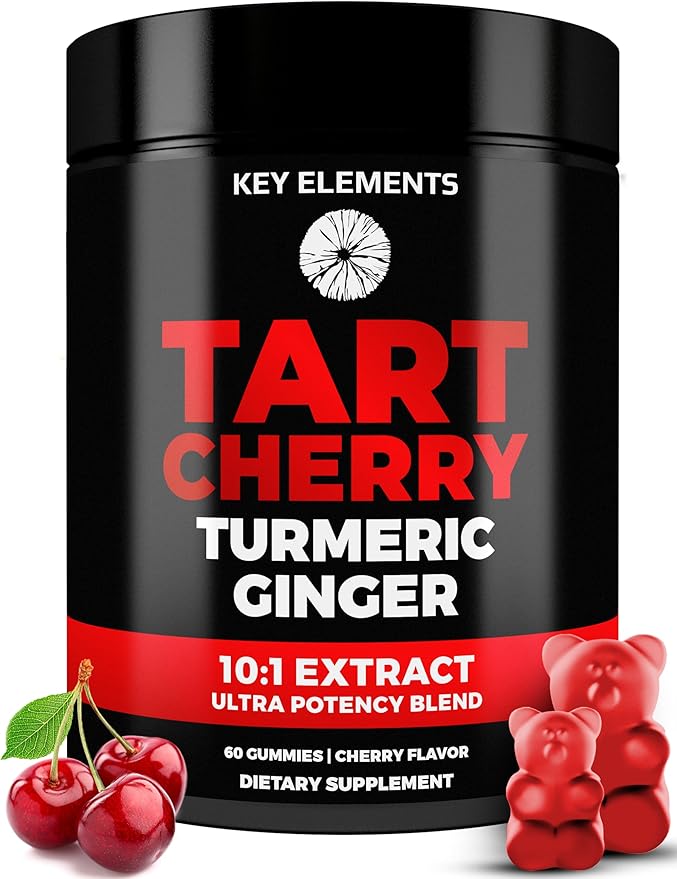
2. KEY ELEMENTS Tart Cherry Gummies with Turmeric & Ginger
Key Features
- Combo of tart cherry, ginger, and turmeric
- Tasty gummy form, easy to chew, no artificial dyes
- Vegan-friendly and loaded with antioxidant-rich anthocyanins
What Makes It Stand Out
It’s not just a ginger supplement—it’s an athlete recovery stack in disguise. The tart cherry base is a clever move. It brings uric acid-lowering effects, and when paired with turmeric and ginger, supports deep tissue recovery.
Oh, and bonus? These taste great. Most ginger supplements? Not so much.
How It Helps with Inflammation
Perfect for joint recovery, post-workout soreness, or just waking up feeling less like a stiff robot. These work especially well for 40+ individuals still staying active but noticing longer recovery times.
Studies suggest tart cherry reduces oxidative stress markers within 48 hours, and when paired with ginger and turmeric, can reduce C-reactive protein (CRP), a key marker of systemic inflammation.
How to Use
Take 2 gummies daily, preferably in the evening for recovery and better sleep. Chew thoroughly. No water needed.
Pros & Cons
Pros:
- Delicious & chewable
- Combines three anti-inflammatory powerhouses
- Great for uric acid control & soreness
Cons:
- Lower ginger dose per gummy
- Slightly sweet (if you’re cutting sugar)
3. The Ginger People Ginger Rescue Lozenges

Key Features
- 425 mg fresh ginger + 16 mg red ginger extract
- 30 individually wrapped lozenges
- Non-GMO, caffeine-free, gluten-free, vegan
What Makes It Stand Out
Let’s be blunt — most lozenges are sugary junk disguised as wellness. Not these. You’re getting 20x more ginger than leading brands, with only 2 grams of sugar.
Red ginger (Zingiber officinale var. rubrum) adds an extra anti-inflammatory kick — it’s shown stronger activity in suppressing nitric oxide, a marker of inflammation, in early lab studies.
How It Helps with Inflammation
Ideal for gut-related flare-ups: bloating, nausea, mild cramps. If you’re battling gastritis, IBS, or motion-triggered inflammation, this is your go-to. Many users reported it tames nausea in minutes and relieves bloated discomfort without meds.
Also fantastic for pregnant women or those with motion sensitivity — think travel nausea, chemotherapy support, etc.
How to Use
Pop 1 lozenge whenever symptoms hit. Max recommended: 4 per day for adults.
Pros & Cons
Pros:
- Portable and discreet
- Fast-acting relief
- Red ginger is a rare (and powerful) addition
Cons:
- Not a daily supplement for long-term inflammation
- Sweetened, so not ideal for keto or sugar-restricted users
4. VietGlowie Ginger Tea Bags

Key Features
- 100% dried ginger root, no blends or fillers
- 30 biodegradable tea bags
- Corn fiber bags with no bleach, glue, or dyes
What Makes It Stand Out
Sourced from Vietnamese ginger farms, this tea punches above its weight. You’ll taste the difference—bolder, sharper, more aromatic. If your idea of inflammation relief involves a warm mug, this is your ritual.
Tea delivery also allows slow release and is gentler on sensitive stomachs. Plus, biodegradable bags = less guilt.
How It Helps with Inflammation
Hot ginger tea has shown to increase circulation and reduce inflammatory pain, especially menstrual cramps and digestive sluggishness. Sipping it before or after meals helps digestive inflammation, and many users find it reduces bloating and gut sensitivity.
How to Use
Steep 1 bag in hot (not boiling) water for 5–10 minutes. Enjoy up to 3 times daily. Can be iced in summer.
Pros & Cons
Pros:
- No additives or artificial flavors
- Environmentally conscious packaging
- Bold and fresh taste
Cons:
- Lacks measured dosage of gingerols
- Not as fast-acting as capsules or concentrated extracts
5. Nature’s Way Ginger Root Capsules (1,100 mg per serving)

Key Features
- 550 mg of ginger root per capsule (1,100 mg per serving)
- Pure root powder with no added ingredients
- Plant-based capsule with minimal excipients
What Makes It Stand Out
This is as clean and simple as it gets. Ginger root powder, period. You’re not paying for blends, fluff, or branding hype. It’s a no-nonsense choice for people who want raw herbal support.
And the dosage is solid. At 1,100 mg per serving, this is a therapeutic-level amount that can actually do something for your inflammation, not just “maintain wellness.”
How It Helps with Inflammation
Best suited for digestive inflammation, arthritic joints, or even respiratory congestion where ginger helps loosen up mucus and phlegm. Clinical studies back doses over 1g/day for inflammatory support — exactly what this delivers.
How to Use
Take 2 capsules per day, preferably with meals. Can be divided across AM and PM if sensitive.
Pros & Cons
Pros:
- Strong ginger dose per serving
- Clean ingredient list
- Budget-friendly
Cons:
- Lacks standardized extract
- No bioavailability enhancers (e.g. piperine)
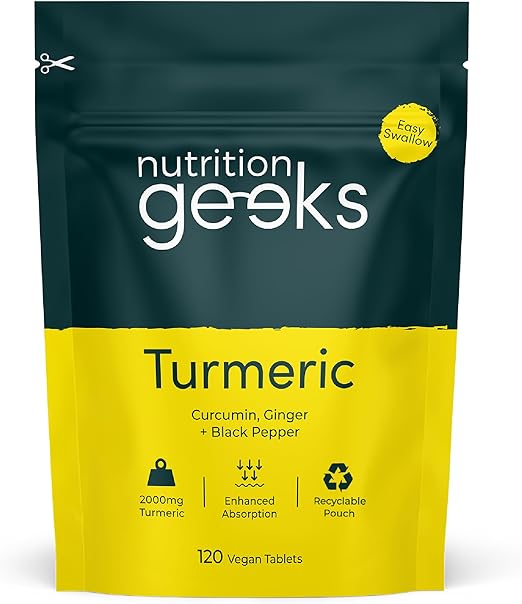
6. Nutrition Geeks Turmeric, Ginger and Black Pepper
Key Features
- Combination of turmeric, ginger, and black pepper
- Marketed as a 2-month supply
- Capsule format for easier daily supplementation
What Makes It Stand Out
While the label doesn’t specify the exact ginger content, this formula plays a clever synergy game. Ginger for inflammation, turmeric to strengthen the anti-inflammatory effect, and black pepper (piperine) to supercharge absorption—especially for curcumin and gingerols.
Users over 50 tend to lean toward combo formulas like this one since it supports both joint and digestive inflammation.
How It Helps with Inflammation
This blend targets joint stiffness, gut discomfort, and muscle recovery. Piperine increases curcumin bioavailability by up to 2000%—and some studies suggest it may also enhance gingerol uptake.
One downside: without exact milligrams of ginger, it’s harder to adjust dosage for specific inflammatory conditions. Still, anecdotal reviews repeatedly note less joint discomfort and improved digestion within a few weeks.
How to Use
Follow the label—typically 1 capsule twice daily. Take with food to minimize gastric irritation.
Pros & Cons
Pros:
- Well-rounded inflammation blend
- Piperine for better absorption
- Suitable for both gut and joint health
Cons:
- Unclear ginger content
- Capsules may have mild turmeric aftertaste for some
7. Solaray Organic Ginger Root (1,080 mg)

Key Features
- 1,080 mg ginger root per serving
- Certified organic, non-GMO
- No artificial fillers, binders, or preservatives
What Makes It Stand Out
This supplement keeps it old-school—no unnecessary fluff. What you see is what you get: high-dose, whole herb ginger root, organically grown and gently processed.
Solaray’s legacy in herbal medicine means quality control is tight. This one’s especially popular with women 35–55dealing with digestive inflammation, especially during menstruation or post-meal bloating.
How It Helps with Inflammation
Ginger’s strength lies in its gingerols and shogaols, both present in whole root form. According to a 2022 Frontiers in Pharmacology review, whole ginger root may work just as well as standardized extract in reducing joint pain in mild osteoarthritis.
It also has the side benefit of calming nausea and reducing GI tract spasms—a win if you’ve got sensitive digestion.
How to Use
Take 2 capsules daily with meals. Can be split AM/PM if you’re easing into it.
Pros & Cons
Pros:
- Organic and non-GMO
- High ginger content per dose
- No synthetic additives
Cons:
- Not standardized for gingerols
- May not be suitable for users looking for quick effects
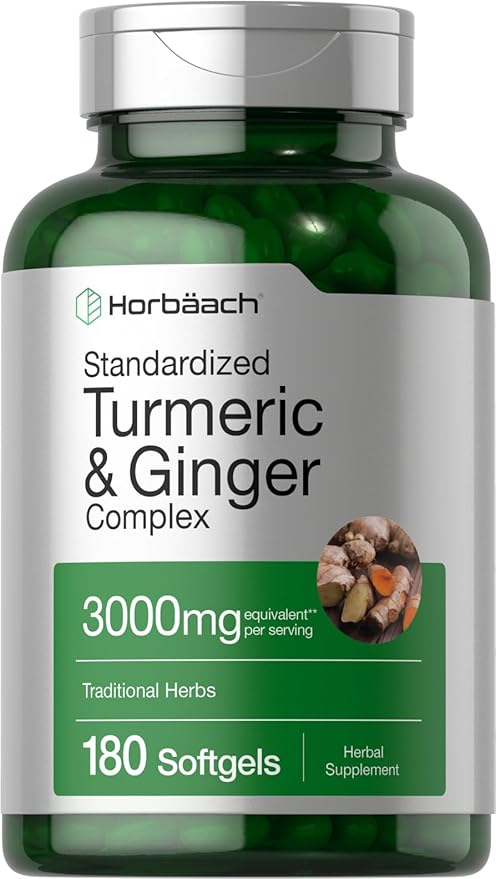
8. Horbäach Turmeric & Ginger Softgels (3,000 mg)
Key Features
- Mega-dose 3,000 mg turmeric & ginger combo
- Non-GMO, gluten-free, rapid-release softgel format
- Enhanced with black pepper extract for absorption
What Makes It Stand Out
This one goes hard on volume. You’re looking at a therapeutic-grade ginger+turmeric blend for people really trying to beat back inflammation—arthritic knees, long-COVID joint aches, or digestive flares.
The softgel format also means it hits the bloodstream faster than capsules or powders. Think of this as the supplement for people who say, “I need relief now.”
How It Helps with Inflammation
Ginger tackles COX-2 enzymes (like NSAIDs), while turmeric reduces cytokines like IL-1β and TNF-α. Combined, they work on both acute and chronic inflammation levels. A softgel also avoids the need for mega swallowing—ideal for seniors or anyone averse to pill sizes.
How to Use
Suggested use: 2 softgels per day, preferably with meals containing fat to enhance curcuminoid absorption.
Pros & Cons
Pros:
- High-strength formula
- Softgel format = fast absorption
- Includes absorption boosters
Cons:
- Strong turmeric taste if burped
- Not vegan (gelatin capsule)
9. Swanson Full Spectrum Ginger & Turmeric Capsules

Key Features
- Blend of 400 mg ginger root + 400 mg turmeric root
- Vegetarian capsules
- Budget-friendly
What Makes It Stand Out
Swanson gets the job done—plain and simple. It’s not glamorous, but for under $10, it delivers solid anti-inflammatory backup.
Perfect for those looking for daily support with minor aches, early-stage arthritis, or digestive flares. The equal turmeric-to-ginger ratio means the blend tackles inflammation from multiple metabolic angles.
This one’s a good starter for people just beginning their supplement journey—minimal side effects, low cost, and decent tolerability.
How It Helps with Inflammation
According to user reviews, the supplement shines most with mild joint pain and post-meal bloating. Not as potent as standardized extracts, but solid if you’re aiming for consistency and long-term gut health.
How to Use
Take 1 capsule twice daily. Can be taken on an empty stomach for nausea, but best with food for joint health.
Pros & Cons
Pros:
- Gentle blend
- Great price point
- Low risk of side effects
Cons:
- Low concentration compared to others
- Not ideal for severe inflammation
10. Viva Naturals Organic Turmeric & Ginger with Black Pepper

Key Features
- USDA Certified Organic
- 500 mg turmeric, 200 mg ginger, 10 mg black pepper per capsule
- Third-party tested, non-GMO
What Makes It Stand Out
This one’s a smart pick for health-conscious users looking for clean labels and organic ingredients. The addition of black pepper ensures that you’re not wasting that turmeric or ginger content—it’s being absorbed efficiently.
It’s a favorite among vegans, eco-conscious buyers, and those with sensitive guts. If you’re wary of sketchy brands, this one’s transparent and trustworthy.
How It Helps with Inflammation
Ideal for chronic low-grade inflammation—think: brain fog, mild stiffness, sluggish digestion. Not going to knock out a sprained ankle, but it’ll definitely support you in feeling more even-keeled throughout the day.
How to Use
Take 1–2 capsules daily, with or without meals. Ideal for daily inflammation support and gut balance.
Pros & Cons
Pros:
- Organic and tested for purity
- Well-balanced formula
- Mild on digestion
Cons:
- Not the highest dosage available
- May require 2 caps/day for stronger effects
Possible Side Effects & Safety Concerns
Let’s not sugarcoat it—ginger is potent. While it’s safe for most, you should watch out for the following:
Who Should Be Cautious?
- People on blood thinners (like warfarin, aspirin)
Ginger can increase bleeding risk at high doses. - Pregnant women
Ginger may help with nausea, but only use doctor-approved doses. - People with gallstones
It can increase bile flow, which isn’t always great if you’ve got gallbladder issues.
Side Effects (Usually Mild)
- Mild heartburn
- Upset stomach (with high doses)
- Diarrhea (rare, typically with raw forms)
Stick to labeled doses. More isn’t always better — especially with potent extracts.
Final Thoughts: Which Ginger Supplement Should You Buy?
You came here looking for the best ginger supplements for inflammation, and now you’ve got the blueprint. Whether your joints ache like rusty hinges or your digestion flares up like a poorly-planned Tinder date, there’s a product here for you.
👉 Want max inflammation relief? Go for Horbäach Turmeric & Ginger Softgels or Nature’s Lab Capsules.
👉 Need gentle digestive support? The Ginger People Lozenges or VietGlowie Tea are solid picks.
👉 On a budget? Swanson and Nature’s Way deliver simple ginger punch without fancy frills.
Frequently Asked Questions About Ginger Supplements for Inflammation
1. Do ginger supplements really help with inflammation?
Yes. Ginger contains bioactive compounds like gingerols and shogaols, which have been shown in multiple studies to reduce inflammatory markers like CRP, TNF-α, and IL-6. It works on both joint and digestive inflammation, and many people report relief within days to weeks of consistent use.
2. What’s the best form of ginger for inflammation?
For systemic inflammation, capsules and softgels with standardized extracts are best. For digestive issues, teas and lozenges work faster and gentler. Gummies offer a good compromise if you want something convenient and palatable.
3. How much ginger should I take per day for inflammation?
Most clinical studies use 500–1,500 mg/day of ginger root extract. Whole root powders may require slightly higher doses. Start low (around 500 mg) and gradually increase based on how your body responds.
4. Can I take ginger supplements with turmeric?
Absolutely. In fact, the combo is often more effective. Turmeric works well with ginger to suppress inflammatory enzymes and cytokines. Look for formulas that include black pepper (piperine) to boost absorption.
5. Are there any side effects to ginger supplements?
Most people tolerate ginger well. However, some may experience heartburn, upset stomach, or mild diarrhea at high doses. It may also increase bleeding risk if taken with blood thinners, so check with your doctor if you’re on medication.
6. How long does it take for ginger supplements to work?
You may notice relief in a few days for digestive issues, and 2–4 weeks for joint or muscle inflammation. Consistency is key—ginger isn’t a quick fix but rather a natural, long-game option.
7. Is it safe to take ginger every day?
Yes, daily use of ginger in supplement form is generally considered safe for most adults. Stick to recommended dosages, and cycle off for a few days every month if you’re using it long-term.
8. Can ginger help with arthritis symptoms?
Yes. Ginger supplements may reduce pain and stiffness in people with osteoarthritis and rheumatoid arthritis. Some studies suggest it’s as effective as NSAIDs for mild to moderate joint discomfort—without the GI side effects.
9. What should I look for in a quality ginger supplement?
Key things to check:
- Standardized extract (look for gingerols % listed)
- Dosage per serving (at least 500 mg)
- Third-party testing for purity
- Bioavailability boosters like black pepper
- Clean labels (no artificial colors or fillers)
10. Who should avoid ginger supplements?
People on blood thinners, with gallstones, or with bleeding disorders should speak to a healthcare provider before using ginger supplements. Pregnant women should stick to medically approved doses only.