
We only recommend products we love and that we think you will, too. We may receive a portion of sales from products purchased from this article.

Medically reviewed by Dr. A.S.M. Masum Billah, MBBS
Tingling feet? Numb fingers? Foggy brain after a high-carb meal?
Then it might be time to look beyond standard B1 and reach for benfotiamine — a fat-soluble, highly absorbable form of thiamine designed to deliver where regular thiamine can’t.
Benfotiamine is a fat-soluble derivative of vitamin B1 (thiamine) known for its superior absorption and longer tissue retention. It has gained popularity for supporting nerve health, glucose metabolism, mitochondrial function, and even eye and kidney protection in people with diabetes or chronic inflammation.
This guide dives into the top 10 best benfotiamine supplements on the market—fact-checked, non-hyped, and specifically selected for their purity, dosage accuracy, and customer trust.
What Is Benfotiamine and Why Is It Better Than Regular Vitamin B1?
Thiamine (Vitamin B1) is essential for converting food into energy and maintaining nerve and brain function. But here’s the catch — most thiamine supplements (like thiamine HCl) are water-soluble, meaning they flush out quickly, and have limited bioavailability in target tissues like peripheral nerves.
Benfotiamine, on the other hand, is a fat-soluble derivative of thiamine. It’s absorbed more efficiently and crosses cell membranes, delivering thiamine where it’s needed most — to the nervous system, brain, and heart.
It’s also more stable and resistant to breakdown in the GI tract, making it especially useful for:
- Diabetics with neuropathy or blood sugar issues
- Alcohol users with poor thiamine absorption
- Older adults facing mild memory loss or nerve damage
Compared to plain thiamine, benfotiamine can raise thiamine levels in tissues up to 5x more efficiently — and that’s what sets it apart in therapeutic use.
Benfotiamine vs Thiamine HCl vs Allithiamine: Which One Should You Choose?
If you’re confused between B1 forms, here’s a breakdown:
- Thiamine HCl: Standard water-soluble B1. Cheap, widely available, but poorly absorbed. Flushes out fast.
- Benfotiamine: Fat-soluble, more bioavailable, and the best choice for nerve and blood sugar health. It doesn’t raise blood B1 much but increases it inside cells.
- Allithiamine (or lipothiamine): Derived from garlic. Also fat-soluble but less studied. Sometimes used in autism or brain biohacking protocols.
Best choice for neuropathy, diabetes, and mitochondrial dysfunction?
Benfotiamine. It’s been shown to reduce inflammation, improve nerve conduction, and protect against glycation damage, which leads to nerve pain and cellular aging.
Signs You May Need Benfotiamine
Benfotiamine isn’t just for people with diagnosed B1 deficiency. If you fall into one of these categories, your body might already be begging for it:
- Tingling, numbness, or burning in hands or feet
- Brain fog or frequent mental fatigue
- Muscle weakness or cramps
- Irritability, low mood, or agitation
- Unexplained fatigue after carbs
- History of alcohol use, diabetes, or bariatric surgery
- Taking diuretics, metformin, or proton pump inhibitors
These signs often reflect low intracellular thiamine, not just what shows up on a blood test. And benfotiamine is designed specifically to correct that.
How Much Benfotiamine Should You Take?
Dosing depends on your needs. Here’s a practical breakdown:
| Goal | Suggested Dose |
|---|---|
| General maintenance | 150–300mg/day |
| Mild nerve support | 300mg/day |
| Moderate-to-severe neuropathy | 600mg/day |
| Cognitive support (mild) | 150–250mg/day |
| Heavy B1 depletion (alcohol, meds) | 300–600mg/day |
Pro tip: Always start with the lower end of the range if you’re new to benfotiamine, especially if combining with other B-vitamins. You can gradually build up based on your body’s feedback.
How to Stack Benfotiamine with Other Supplements for Best Results
Want to turn benfotiamine into a nerve-repair powerhouse? Combine it with:
- Alpha-Lipoic Acid (ALA): Enhances nerve regeneration and insulin sensitivity. Commonly used with benfotiamine for diabetic neuropathy.
- Methyl B12 (Methylcobalamin): Repairs myelin sheath and supports nerve cell communication.
- Vitamin B6 (P-5-P form): Helps convert benfotiamine into active coenzymes.
- NAC or Glutathione: Fights oxidative stress that worsens neuropathy.
- Magnesium: Improves nerve conductivity and reduces twitching or tingling.
- Omega-3s (EPA/DHA): For long-term nerve and brain protection.
This combo is particularly popular in functional medicine protocols for diabetes, chemo-induced neuropathy, and cognitive longevity.
Is Benfotiamine Safe for Long-Term Use?
Yes — benfotiamine has been studied extensively and is considered safe, even at higher doses (up to 600mg/day) over several months.
It’s non-toxic, doesn’t build up in the liver or kidneys, and doesn’t cause GI upset like some water-soluble vitamins. It also doesn’t interfere with blood sugar meds, though it’s always smart to monitor blood glucose when starting it — as some users see improved insulin sensitivity.
If you’re pregnant, breastfeeding, or on medications that affect vitamin metabolism, talk to your physician before long-term use.
Top 10 Best Benfotiamine Supplements Ranked
1. BESTVITE Ultra Benfotiamine 600 mg – 60 Vegetarian Capsules

Key Features
- Each capsule delivers 600 mg of benfotiamine
- Vegan, non-GMO, gluten-free
- Free from magnesium stearate, silicon dioxide, and artificial fillers
- Manufactured in a cGMP-certified U.S. facility
What Makes It Stand Out
This product is one of the purest high-potency benfotiamine options available. Many brands include unnecessary excipients, but BESTVITE strips it back to the essentials—powerful benfotiamine, clean capsule, and solid testing practices.
How It Helps Your Goal
600 mg per capsule is often used in clinical trials for addressing diabetic neuropathy, glucose regulation, and oxidative stress. It’s potent enough for therapeutic protocols without needing multiple capsules.
How to Use
Start with 1 capsule daily with food. Split into morning and evening for sensitive individuals.
Pros & Cons
Pros
- Maximum strength in just one capsule
- Excellent for neuropathy and metabolic support
- Clean-label; no synthetic fillers
Cons
- Some users may need to halve the dose
- Only 60 capsules per bottle may not last long
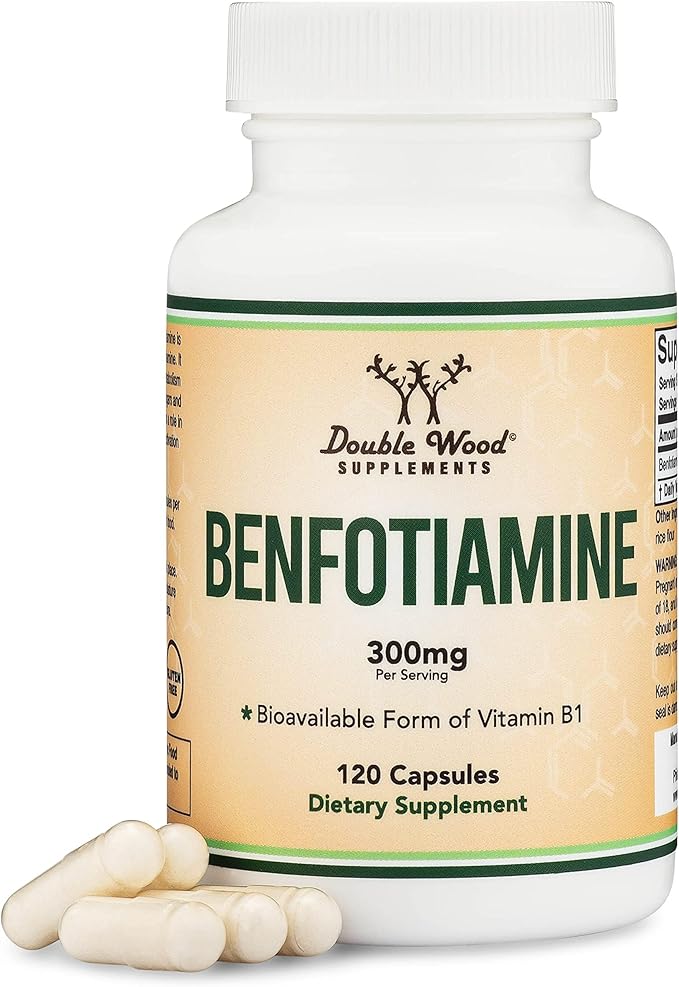
2. Double Wood Benfotiamine 300 mg – 120 Capsules
Key Features
- 300 mg benfotiamine per capsule
- 2 capsules = 600 mg daily dose
- Non-GMO, gluten-free, vegan-friendly
- Third-party tested and manufactured in the USA
What Makes It Stand Out
Double Wood is a high-trust brand with a reputation for transparency and lab testing. You get clinical-grade benfotiamine in a flexible format—ideal for both low-dose users and those following therapeutic guidelines.
How It Helps Your Goal
Supports healthy glucose metabolism, nerve repair, and inflammation reduction, especially in aging populations and diabetics.
How to Use
Take 2 capsules per day (600 mg), ideally with meals for better absorption.
Pros & Cons
Pros
- Clinically aligned dosing
- Reputable, lab-tested supplement
- Ideal for long-term, consistent use
Cons
- Requires two capsules per dose
- Not the most budget-friendly option for high-dosers
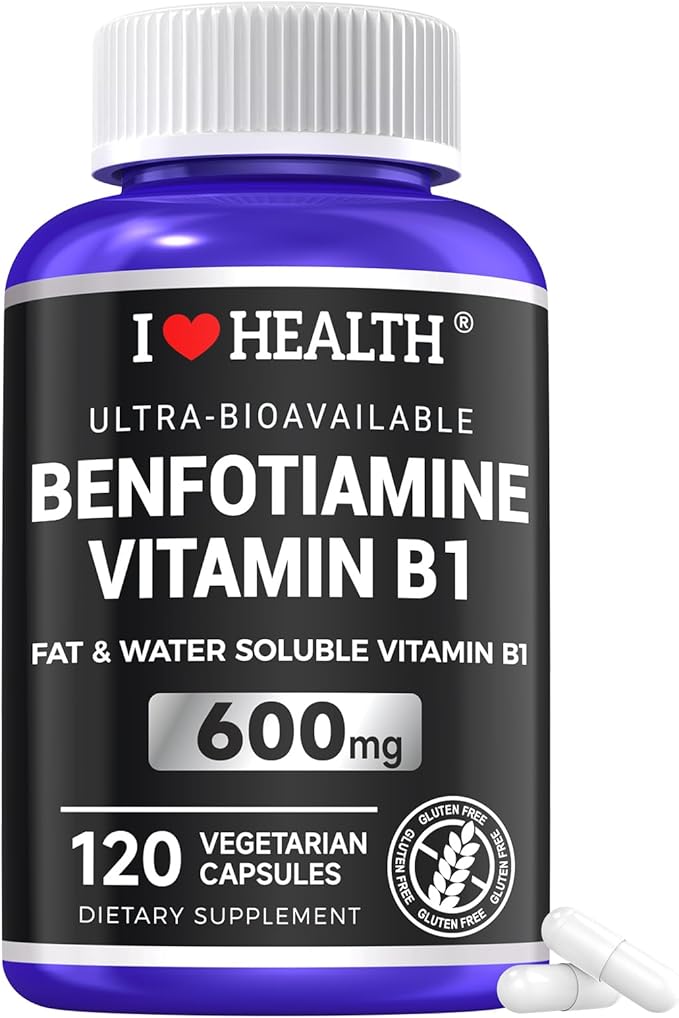
3. I LOVE HEALTH Benfotiamine 600 mg + 20 mg Vitamin B1 – 120 Capsules
Key Features
- 600 mg of benfotiamine + 20 mg of water-soluble thiamine HCl
- Non-GMO, gluten-free, vegetarian capsules
- Manufactured in the USA
- No added sugar, yeast, or dairy
What Makes It Stand Out
This dual-formula includes both fat-soluble benfotiamine and standard thiamine HCl, giving you the best of both B1 worlds. It’s especially helpful if your body needs fast-acting thiamine alongside deeper cellular support.
How It Helps Your Goal
Excellent for nerve pain management, brain fog, chronic fatigue, and blood sugar stabilization.
How to Use
Take 1 capsule per day with a meal. You may take it twice daily if advised by your healthcare provider.
Pros & Cons
Pros
- Dual B1 source for broad benefits
- Ideal for diabetic or prediabetic support
- Great value for 120 capsules
Cons
- May be too strong for those just starting
- Not all users may require extra B1
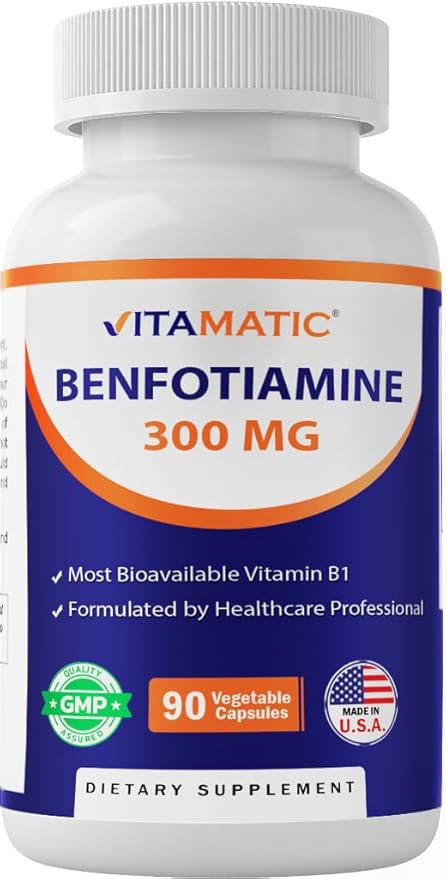
4. Vitamatic Benfotiamine 600 mg – 180 Vegetarian Capsules
Key Features
- 600 mg benfotiamine per 2-capsule serving
- 180 capsules per bottle
- Free from preservatives, soy, dairy, and gluten
- Non-GMO and third-party tested
What Makes It Stand Out
Vitamatic offers bulk supply and affordability, especially for those on long-term regimens. If you’re dosing daily for neuropathy or glucose control, this bottle is hard to beat in value.
How It Helps Your Goal
Used to support nerve regeneration, energy metabolism, and antioxidant function—key for people dealing with nerve discomfort or prediabetes.
How to Use
Take 2 capsules daily with a meal. Beginners may start with 1 capsule.
Pros & Cons
Pros
- Cost-effective for long-term users
- Vegetarian-friendly and allergen-free
- Highly rated for nerve support
Cons
- Two-capsule dose might be inconvenient
- Formula is plain—no cofactors or extras
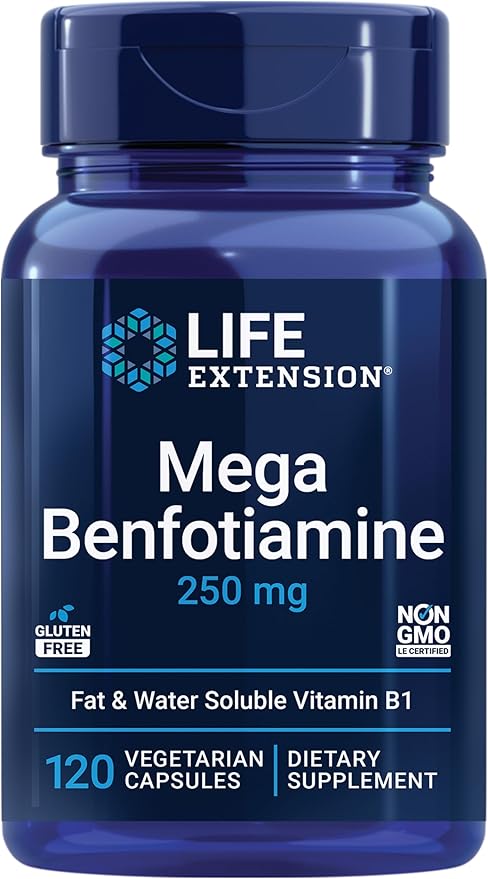
5. Life Extension Mega Benfotiamine 250 mg + 10 mg Thiamine HCl – 120 Vegetarian Capsules
Key Features
- 250 mg of benfotiamine + 10 mg of thiamine HCl per capsule
- 120 vegetarian capsules per bottle
- Non‑GMO, gluten‑free, vegan-friendly
- Contains standard capsule fillers (e.g. microcrystalline cellulose, silica) typical for Life Extension’s quality standards
What Makes It Stand Out
This formula balances benfotiamine with a small dose of regular thiamine, delivering both fast- and slow-release B1—a prudent combination favored in longevity and metabolic support protocols. It’s produced by a trusted brand known for research-based formulations.
How It Helps Your Goal
Supports blood sugar metabolism, nerve function, and helps limit formation of advanced glycation end-products (AGEs)—key for people managing diabetes, neuropathy, or cognitive health.
How to Use
Take one capsule, one to four times daily, with meals. Clinical studies often use 500 mg–1000 mg total daily benfotiamine—a dosing range easily achieved.
Pros & Cons
Pros:
- Dual B1 support for metabolic and neural pathways
- Reputable brand backed by research
- Extended supply for long-term use
Cons:
- Lower benfotiamine per capsule than ultra-strength options
- Uses common fillers like microcrystalline cellulose and stearate
6. Doctor’s Best Benfotiamine 300 mg with BenfoPure® – 60 Vegan Capsules

Key Features
- 300 mg benfotiamine per capsule
- Non-GMO, gluten-free, soy-free, vegan capsule format
- Contains BenfoPure® ingredient sourced from Hamari Chemicals for quality consistency
- Clean ingredient list: microcrystalline cellulose, vegetarian capsule, L‑Leucine, silicon dioxide
What Makes It Stand Out
Doggedly clean and well-dosed, Doctor’s Best utilizes a branded benfotiamine source and minimalist formulation. It has wide distribution, strong consumer feedback, and is frequently featured as a go-to for blood sugar and nerve health.
How It Helps Your Goal
Supports metabolic balance, age-related nerve repair, and oxidative stress reduction, especially when used consistently at 300 mg daily. Includes transketolase activation—a key enzyme in glucose processing.
How to Use
Take 1 capsule per day, with or without food. Some users split the dose into AM/PM to mirror clinical protocols.
Pros & Cons
Pros:
- Moderate dose ideal for maintenance or beginners
- Clear, clean label with recognized benfotiamine brand
- Widely available, well-reviewed
Cons:
- Only 60 capsules—quick to run out if dosing twice daily
- No added thiamine for dual-form support
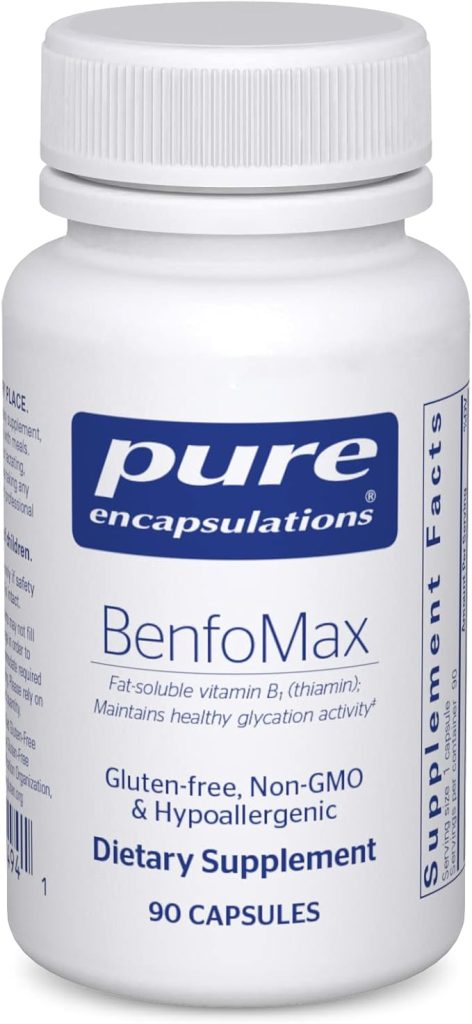
7. Pure Encapsulations BenfoMax 200 mg – 90 Vegetarian Capsules
Key Features
- 200 mg of pure BenfoPure® benfotiamine per capsule
- Hypoallergenic format: vegan, gluten-free, soy-free, dairy-free
- Promotes healthy glucose metabolism and vascular, nerve, retinal, and kidney cellular health
- Clean capsule base: plant-based cellulose, ascorbyl palmitate for stability
- CAPSULES from Japanese manufacturing, third‑party tested for purity and potency
What Makes It Stand Out
Unlike bulk products, BenfoMax is formulated for clinical-grade vascular and neuropathic support, with a refined ingredient list. Its mild dose makes it ideal for sensitive users or long-term maintenance routines.
How It Helps Your Goal
Supports healthy nerve conduction, moderates advanced glycation products (AGEs), and supports microvascular health in eyes and kidneys. Ideal for anyone managing diabetic-related oxidative stress or neuropathy risk.
How to Use
Take 1–3 capsules daily, with meals. Most users find 2 capsules sufficient for moderate support; consult a practitioner for higher dosing.
Pros & Cons
Pros:
- Targeted for vascular and neural cellular support
- Clean, hypoallergenic formula with reputable sourcing
- Flexible dosing for individual needs
Cons:
- Lower per-capsule dosage than high-potency labels
- Premium price point and smaller bottle size
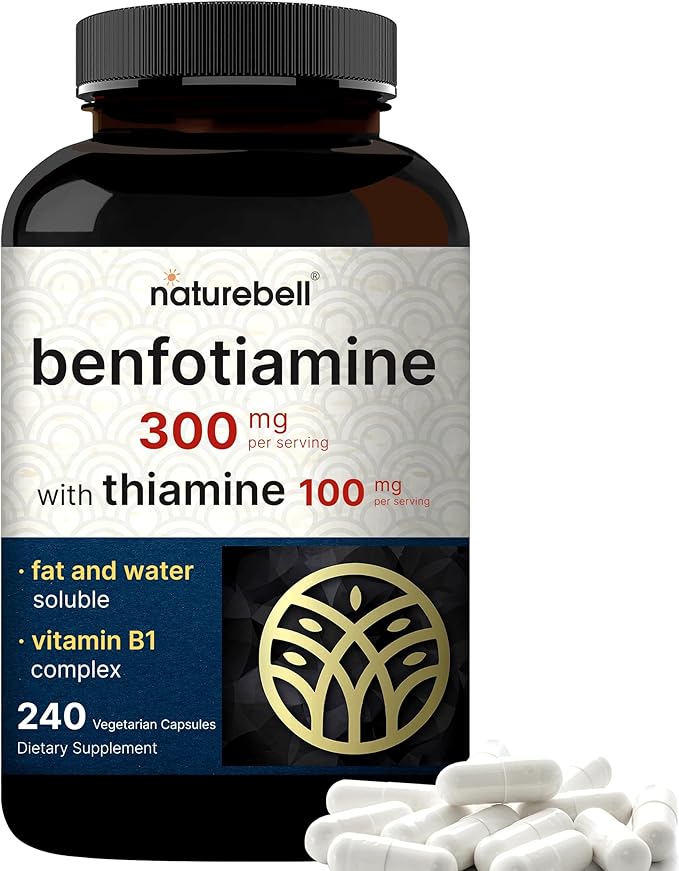
8. NatureBell Benfotiamine 300 mg + 100 mg Thiamine – 240 Vegetarian Capsules
Key Features
- Delivers a combined complex of 300 mg benfotiamine + 100 mg thiamine mononitrate per 2-capsule serving
- 240 capsules per bottle—up to 120 servings
- Non-GMO, vegan capsules, third-party tested for content and purity
What Makes It Stand Out
This formula delivers a dual B1 approach in a mega-bottle, offering both fast-acting and long-lasting thiamine benefits in a single dose—while also providing exceptional shelf life and value.
How It Helps Your Goal
Ideal for individuals seeking combined glucose metabolism support and cognitive/muscle performance. Also supports energy pathways, nerve health, and consistent blood sugar stability.
How to Use
Take 2 capsules once daily, ideally with breakfast. Use consistently to sustain tissue B1 levels over time.
Pros & Cons
Pros:
- Huge 240‑capsule bottle provides 4‑month supply
- Dual-form B1 for broader metabolic coverage
- Excellent cost-per-serving
Cons:
- Large serving size (two capsules)
- No added cofactors like ALA or B-vitamins
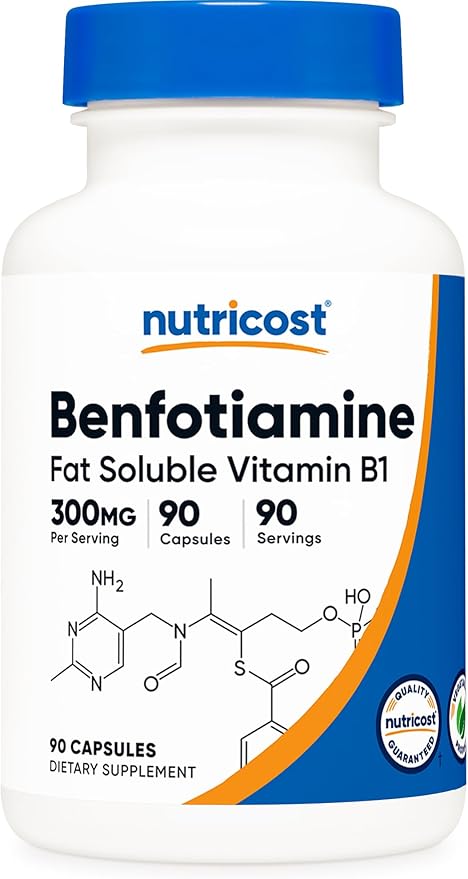
9. Nutricost Benfotiamine 300 mg – 90 Vegetarian Capsules
Key Features
- 300 mg benfotiamine per capsule, 1 capsule per serving
- Gluten-free, non-GMO, vegetarian-friendly
- Manufactured in GMP-compliant and FDA-registered facility; third-party tested
What Makes It Stand Out
Straightforward and affordable, Nutricost’s formula is a no-frills option for daily B1 support. Users frequently report improvements in nerve discomfort and stable energy levels at a budget-friendly price.
How It Helps Your Goal
Supports cellular glucose conversion, nerve comfort, and overall energy—especially for users easing into benfotiamine supplementation or managing mild neuropathic symptoms.
How to Use
Take 1 capsule per day with water, preferably with a meal. Increase to 2 capsules if higher daily dosage is recommended by your healthcare provider.
Pros & Cons
Pros:
- Excellent value for casual or trial use
- Clean label and minimal ingredients
- Accessible dosage for first-time users
Cons:
- Capsule count (90) may run out quickly if used long-term
- No dual B1 or added nutrients
10. KAL Benfotiamine Plus – 150 mg Benfotiamine Tablets (60 Count)
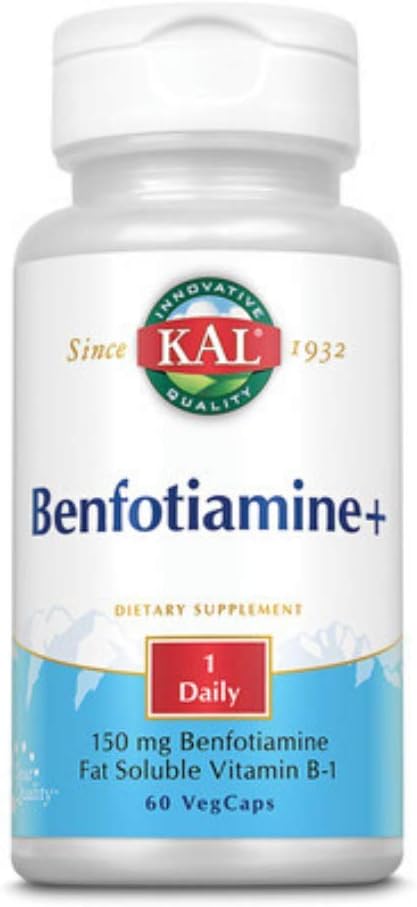
Key Features
- Each tablet delivers 150 mg of benfotiamine, a fat-soluble form of vitamin B1
- Includes additional B1 (thiamine) for enhanced metabolic synergy
- Vegetarian tablets, free from major allergens like gluten
- KAL products are lab-verified for purity and potency
- Suitable for daily blood sugar and energy metabolism support
What Makes It Stand Out
KAL is known for decades of nutraceutical reliability, and this benfotiamine formulation upholds that legacy. The inclusion of both standard thiamine and benfotiamine allows for immediate and sustained absorption, targeting fast energy conversion and longer cellular protection.
The 150 mg dosage per tablet is lower than high-potency offerings but is perfect for those starting supplementation or preferring a gentle, adjustable approach.
How It Helps Your Goal
This dual-form B1 supplement supports:
- Healthy glucose metabolism, particularly in insulin-sensitive individuals
- Protection from AGEs (advanced glycation end products), which contribute to diabetic complications
- Nerve comfort and mild neuropathy relief
- General cellular energy production
It’s ideal for users managing early-stage blood sugar concerns or for those pairing it with a broader B-complex or ALA regimen.
How to Use
Take 1–2 tablets daily, preferably with meals. Beginners or those on other supplements may start with 1 per day and adjust based on response or practitioner recommendation.
Pros & Cons
Pros:
- Reliable brand with a long history in clean formulations
- Combines thiamine and benfotiamine for comprehensive B1 coverage
- Good for first-time users or as a gentle maintenance formula
- Vegetarian-friendly, lab-tested, no harsh additives
Cons:
- 150 mg dose may be too low for users needing aggressive support (e.g., for neuropathy)
- 60-count bottle means higher dose users may run out quickly
🧭 Buyer’s Guide Highlights
| Goal | Best Fit |
|---|---|
| Maximum potency per capsule | BESTVITE Ultra 600 mg |
| Dual-route B1 support | I LOVE HEALTH or Life Extension |
| Vascular and neuropathy focus | Pure Encapsulations BenfoMax |
| Maximum capsule count/cost efficiency | NatureBell 240-count |
| Budget starter dose | Nutricost or Healthy Origins |
✅ Final Thoughts
Choosing the best benfotiamine supplement depends on your goals:
- For glucose regulation and nerve health, aim for 600 mg or more daily via single-capsule options or dual-dose formats.
- If you want retinal, kidney, or vascular protection, substrates like Pure Encapsulations BenfoMax stand out.
- Looking for long-term affordability and flexible dosing? NatureBell offers a giant bottle at excellent value.
- Starting out cautiously? Go with Nutricost (300 mg) or Healthy Origins (150 mg).
FAQs about benfotiamine supplements
1. What is benfotiamine and how does it differ from regular thiamine?
Benfotiamine is a fat-soluble derivative of vitamin B1 (thiamine). It absorbs more efficiently and stays in the bloodstream longer, making it better for nerve, blood sugar, and cellular energy support compared to water-soluble thiamine.
2. What are the benefits of benfotiamine supplements?
Benfotiamine has been shown to:
- Support healthy blood sugar metabolism
- Reduce diabetic nerve discomfort
- Inhibit the formation of advanced glycation end-products (AGEs)
- Improve vascular and retinal health
- Support brain and cellular energy function
3. How much benfotiamine should I take per day?
Most studies use 300–600 mg daily, often split into 2 or 3 doses. Some supplements offer 500 mg per capsule, while others include lower or combined dosages with thiamine or ALA. For neuropathy or diabetic support, 600 mg/day is a common therapeutic range.
4. How long does it take for benfotiamine to work?
Results vary. For neuropathy or blood sugar regulation, benefits may become noticeable after 2–4 weeks of consistent use. Deeper cellular changes—like AGE reduction or improved nerve conduction—can take 6–12 weeks.
5. Is benfotiamine safe for long-term use?
Yes, studies show benfotiamine is well tolerated. Long-term use at moderate doses (300–600 mg) is generally considered safe. Always consult a healthcare provider if you’re taking other medications or have chronic conditions.
6. Can benfotiamine reverse diabetic neuropathy?
While benfotiamine won’t “reverse” damage, research shows it can reduce nerve pain, improve nerve conduction, and limit further damage by reducing oxidative stress and inflammation.
7. What’s the best time of day to take benfotiamine?
It’s best taken with meals, especially if you’re dosing multiple times per day. This helps with absorption and avoids any potential GI discomfort.
8. Does benfotiamine help with memory or cognitive function?
Emerging research suggests it may support brain energy metabolism and reduce neuronal stress, especially in age-related cognitive decline. However, it’s more established for neuropathy than memory.
9. Are there side effects of taking benfotiamine?
Side effects are rare and generally mild. They may include nausea, mild GI upset, or headache, especially at high doses. Always start with a moderate dose and scale up if needed.
10. Can I take benfotiamine with other supplements like alpha-lipoic acid (ALA) or B-complex?
Yes. In fact, benfotiamine and ALA are often paired in studies for enhanced nerve and blood sugar support. Taking it with a B-complex can also help support overall methylation and energy metabolism pathways.