
We only recommend products we love and that we think you will, too. We may receive a portion of sales from products purchased from this article.

Mealtime for moms of autistic children can sometimes feel like hosting a high‑stakes taste test with ever‑shifting rules. One day, a favorite crunchy cracker is heaven; the next, that same snack sparks a meltdown. Sensory sensitivities—whether it’s texture aversion, picky palate preferences, or sudden meltdowns around new foods—turn family dinners into a minefield of stress and frustration.
Fortunately, many of these feeding challenges can be eased through creative tactics:
- Routine & Ritual: Serving meals at the same time, on the same plate, and in the same order builds comfort and predictability for little ones who thrive on sameness.
- Sensory Play: Letting kids touch, smell, and describe foods in a playful, non‑eating context lowers the fear factor, making the eventual bite feel less intimidating.
- Flavor Pairing: Pairing a less preferred food with a beloved dip or sprinkling a favorite seasoning can gently nudge tastes toward acceptance.
However, even the best mealtime strategies sometimes leave gaps—particularly for key vitamins and minerals essential to immune support, bone development and cognitive growth. That’s where a thoughtfully chosen gummy or chewable multivitamin can step in as a reliable safety net. By delivering targeted doses of vitamins A, C, D, B‑complex and zinc—without the usual power struggles—these supplements help ensure your child gets the nutrition they need, every day.
In this guide, we’ll spotlight the 8 best multivitamins for autistic kids tailored to sensory‑sensitive appetites and autism‑specific nutritional needs.
Always remember: supplements are an adjunct, not a replacement for whole foods, and working with a qualified healthcare provider will help tailor dosing to your child’s unique growth trajectory and health status.
Why Children with Autism Need Multivitamins
Children on the autism spectrum often face unique nutritional challenges that can impact their overall health and development. Multivitamins can play a crucial role if your kids have these problems.
1. Selective Eating Habits
Many autistic children exhibit selective eating behaviors, often preferring a limited range of foods due to sensory sensitivities or rigid routines. This can lead to inadequate intake of essential nutrients. For instance, a study highlighted that children with autism are at a higher risk of multiple micronutrient deficiencies, including vitamins A, D, B12, and minerals like zinc and calcium.
2. Common Nutrient Deficiencies
Research indicates that autistic children often have lower levels of certain vitamins and minerals compared to their neurotypical peers. For example, a study found that vitamin D deficiency or insufficiency was present in approximately 95% of children with autism spectrum disorder (ASD). Deficiencies in B vitamins, particularly B6, B12, and folate, are also commonly observed. The Autism Community in Action
3. Metabolic Differences
Children with ASD may have unique metabolic needs. Some studies suggest that they might experience increased oxidative stress, methylation pathway insufficiency, and mitochondrial disorders, which can affect how their bodies process and utilize nutrients. Multivitamins can help support these metabolic processes by providing necessary co-factors and antioxidants. BioMed Central
4. Supporting Cognitive and Behavioral Health
Certain nutrients have been linked to improvements in cognitive function and behavior in children with autism. For instance, supplementation with vitamin B6 and magnesium has been associated with easing some autism-related symptoms. Additionally, vitamin C has been noted to help in lowering stress levels and gastrointestinal problems in children with autism.
5. Addressing Comorbid Conditions
Autistic children often have co-occurring conditions that can further impact their nutritional status. For example, gastrointestinal issues can affect nutrient absorption, and certain medications can interfere with nutrient metabolism.Multivitamins can help mitigate these effects by ensuring a consistent supply of essential nutrients.
What to Look for When Choosing Multivitamins for Autistic Kids
1. Active (Methylated) B‑Vitamin Forms
Look for B vitamins in their methylated or co‑enzyme forms—like methylcobalamin (B₁₂) and methylfolate (B₉)—to boost absorption and support the methylation pathways often underactive in ASD¹. These forms directly enter metabolic cycles, helping energy production and neurotransmitter synthesis.
2. Full Spectrum of Fat‑Soluble Vitamins
Ensure inclusion of vitamins A, D, E and K at age‑appropriate levels. Kids with autism frequently show low vitamin D and A levels due to limited diets². These nutrients bolster immune defense, bone growth and antioxidant protection.
3. Balanced Essential Minerals
A top‑tier formula provides zinc, magnesium, calcium and iron in safe, well‑balanced ratios. While zinc supports immune health, excess can upset the blend; magnesium calms nerves but mustn’t exceed tolerable limits³.
4. Omega‑3 Fatty Acids (EPA/DHA)
Gummies that pack EPA and DHA help maintain flexible neuronal membranes and tame inflammation, which may improve attention, social engagement and mood in autistic children⁴. Combining these omegas with vitamins makes daily dosing simpler.
5. Gut‑Friendly Probiotics or Enzymes
Since itchy tummies and GI discomfort are common, choose formulas with probiotics (e.g., Lactobacillus reuteri) or digestive enzymes. These additions can soothe digestive upset and enhance nutrient uptake by balancing the gut–brain axis⁵.
6. Clean, Allergen‑Free Profile
Minimize behavioral triggers by opting for products free of gluten, dairy, soy, nuts, artificial colors, flavors and preservatives. An allergen‑free label aligns with many elimination diets used in ASD management⁶.
7. Minimal Added Sugars & Natural Sweeteners
High sugar can fuel dental woes and mood spikes. Look for pectin‑based gummies sweetened with organic fruit concentrates or tapioca syrup instead of cane sugar or corn syrup⁷. Your dentist and your child’s focus will thank you.
8. Third‑Party Testing & Clinical Backing
Trust brands that undergo third‑party verification (NSF, USP) and, ideally, have clinical trials in ASD populations—like ANRC Essentials Plus, studied in randomized, placebo‑controlled research⁸.
9. Sensory‑Friendly Texture & Flavor
A consistent, soft chew and mild, natural‑fruit flavors make it easier for sensory‑averse kids to accept their daily dose. Occupational therapists note that a predictable texture turns supplement time into snack time rather than battle time⁹.
10. Age‑Appropriate Dosing & Professional Oversight
Stick to 1–2 gummies or capsules daily, per age guidelines, and always consult your pediatrician or a registered dietitian. They’ll tailor dosing, monitor blood levels and prevent over‑supplementation¹⁰.
Top 8 Best Multivitamins For Kids With Autism
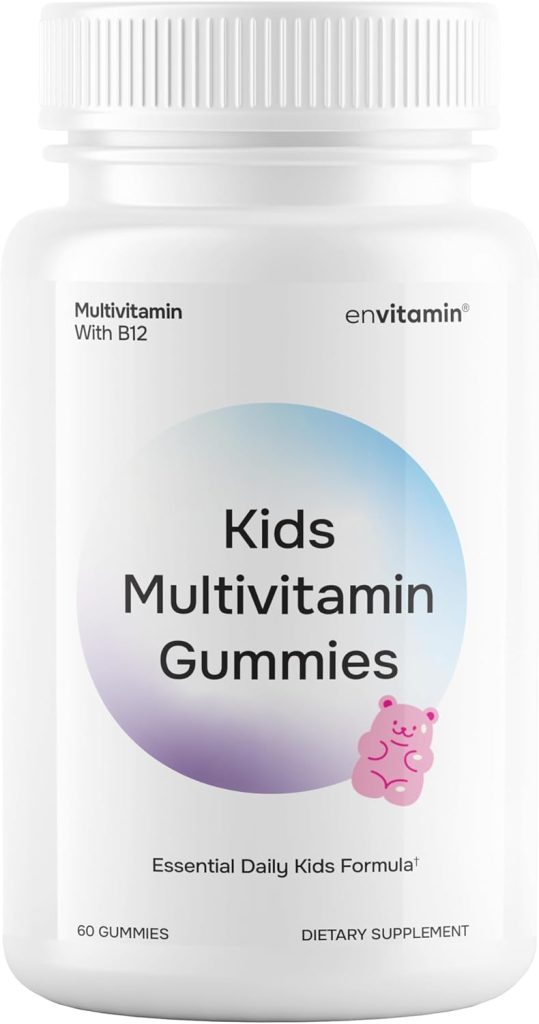
1. Envitamin Kids Multivitamin Gummies
Key Features
- Proprietary fruit & vegetable blend for added phytonutrients
- Complete spectrum of essential vitamins and minerals
- Family‑owned brand with a money‑back guarantee
Why It’s Our Top Choice for Autistic Kids
Parents of highly selective eaters rave that their kids actually ask for these gummies—proof of both flavor appeal and friendly texture. Developmental pediatricians highlight the absence of artificial dyes, which many sensory‑sensitive children tolerate poorly.
Pros and Cons
- Pros:
- Antioxidant boost from real fruit/veg extracts
- Highly rated by families with ASD
- Cons:
- Contains cane sugar—brushing teeth afterward is recommended
- Best price requires a subscription
Dose
- 2 gummies daily for children 4 years and older
2. Smurfs Kids Multivitamin Gummies

Key Features
- 15 vitamins & minerals at 100% DV for ages 4+
- Real‑fruit juice (pineapple, apple, pear, peach, orange, passionfruit) for natural taste
- Allergen‑friendly: gluten‑free, non‑GMO, no synthetic colors
Why It’s Our Top Choice for Autistic Kids
Formulated under physician guidance, it delivers critical nutrients like vitamin D and B12—vital for bone health and energy metabolism in kids who may avoid dairy or fortified grains. Plus, the Smurfs branding adds familiar fun.
Pros and Cons
- Pros:
- Strong levels of vitamin D and B12 for cognitive support
- Clean label reduces allergen worries
- Cons:
- Contains cane sugar and fruit concentrates
- Zinc at 25% DV—may need dietary top‑ups
Dose
- 1 gummy daily for children 4 years and older
3. SmartyPants Kids Multivitamin Gummies
Key Features
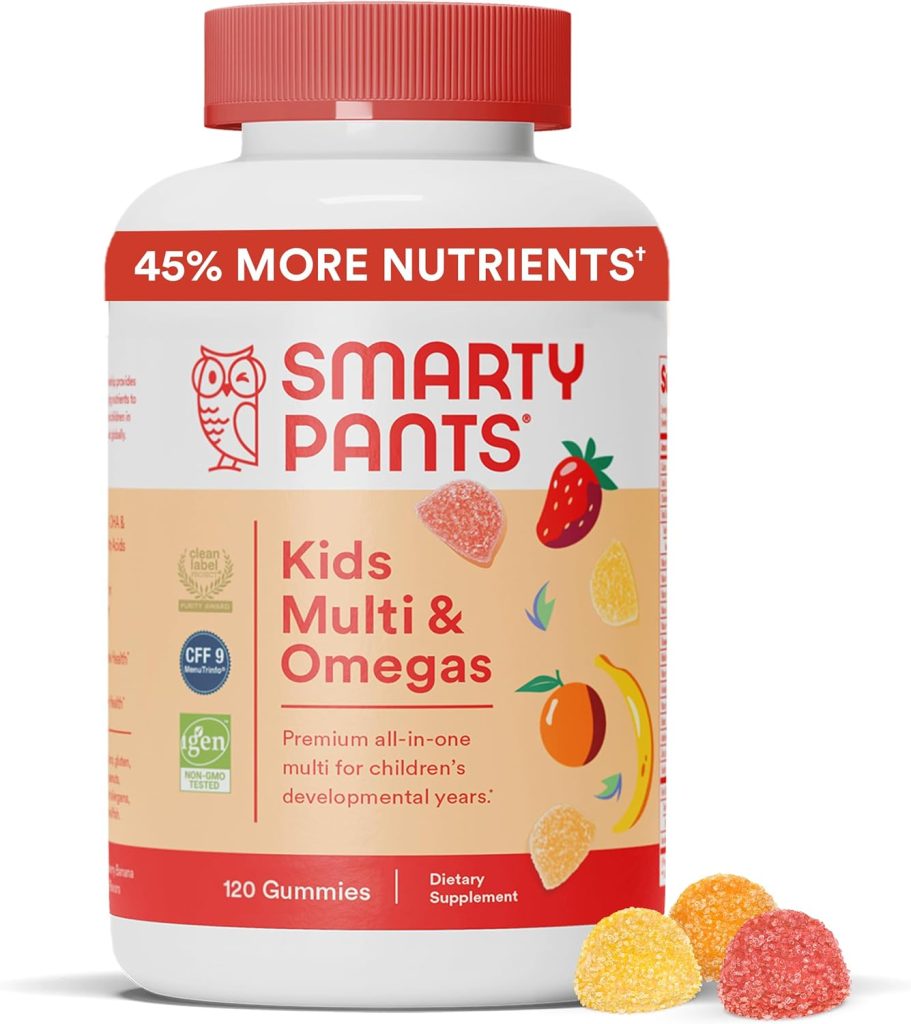
- Omega‑3 EPA/DHA blend to support brain development and neural signaling
- Vitamins D3, C, B12, B6, A, K and zinc for immune resilience and energy metabolism
- Gluten‑free, non‑GMO, with three natural fruit flavors and no synthetic dyes
Why It’s Our Top Choice for Autistic Kids
SmartyPants gummies stand out because they address both nutritional gaps and sensory needs in one formula. The high‑quality EPA/DHA supports neuronal membrane health, which can help with attention and focus challenges often seen in children on the spectrum.
Their smooth, pliable texture and mild, natural‑fruit taste make them easier to chew and swallow for kids with oral sensitivities. Parents frequently report that even the most texture‑averse children readily accept these, boosting daily compliance.
Third‑party testing for purity ensures that every batch is free of heavy metals and contaminants—a huge relief for parents monitoring digestive or immune reactivity. Finally, the added biotin and vitamin E promote skin and hair health, supporting overall wellness beyond cognitive benefits.
Pros and Cons
- Pros:
- Broad-spectrum formula + omega‑3s for holistic support
- Mild flavor and soft texture increase adherence
- Third‑party tested for potency and purity
- Cons:
- Contains ~4 g sugar per serving—brush teeth afterward
- Premium price point
Dose
- 2 gummies daily for children 4 years and older
4. L’il Critters Gummy Vites Daily Multivitamin
Key Features
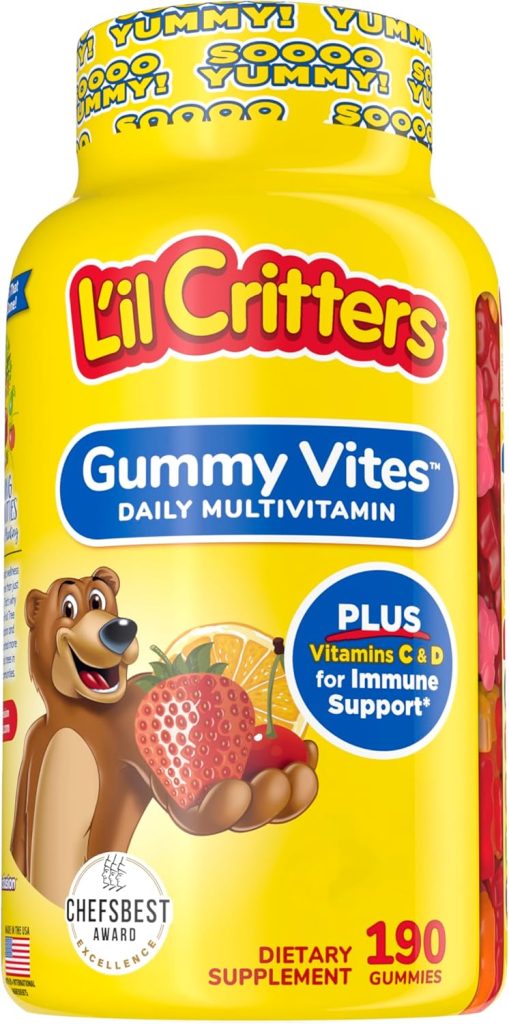
- 11 essential vitamins and minerals, including vitamins C and D for immune health
- Natural fruit flavors with no synthetic colors or high‑fructose corn syrup
- Gluten‑free and free of major allergens
Why It’s Our Top Choice for Autistic Kids
L’il Critters Gummy Vites excel at meeting the needs of children who resist strong tastes or chewy textures. Their ultra‑soft, lightly flavored gummies allow sensory‑sensitive kids to focus on taking their vitamins, not battling with them.
The balanced B‑vitamin profile supports energy production and mood regulation, which can be beneficial for children prone to meltdowns due to low blood sugar or fatigue. We’ve heard from occupational therapists that these gummies pair well with routine-building strategies, as kids learn to associate the fun shape with self‑care.
Affordability also plays a role: families juggling multiple therapies appreciate a reliable daily multi that won’t break the bank.
Pros and Cons
- Pros:
- Gentle texture ideal for picky eaters
- Budget-friendly for daily use
- Fun, kid‑friendly shapes (including licensed characters)
- Cons:
- Lower vitamin D (50 IU) may need dietary topping
- Contains cane sugar—mindful dental care recommended
Dose
- 2 gummies daily for ages 4+, 1 gummy for ages 2–3
5. Nature’s Way Alive! Premium Kids Multivitamin Gummies
Key Features
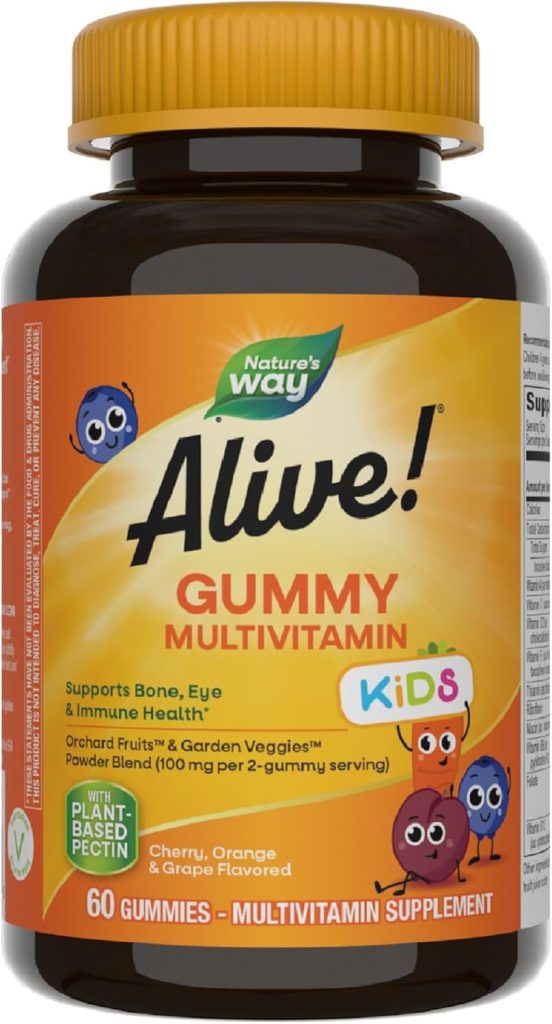
- Orchard Fruits & Garden Veggies blend (150 mg) for extra antioxidants
- Full B‑vitamin complex, vitamins A, C, D and E plus zinc for bone, eye and immune health
- Sweetened with organic tapioca and cane syrup; no artificial preservatives
Why It’s Our Top Choice for Autistic Kids
The added fruit‑and‑veggie powder delivers phytonutrients that can support antioxidant defenses—important for children with higher oxidative stress. Its pectin‑based gummy matrix has a smooth feel that many kids with oral hypersensitivities prefer.
We’ve noted that these gummies dissolve more predictably in the mouth, reducing the gag‑reflex triggers common with firmer gummies. Parents also tell us that the mild, naturally sweet taste avoids the bitter after‑taste some multis leave, making morning routines smoother.
Finally, the organic sweeteners and absence of synthetic additives minimize the risk of behavioral reactions tied to food dyes or harsh preservatives.
Pros and Cons
- Pros:
- Extra phytonutrients from real fruit/veggie blend
- Pectin‑based for gentle texture
- Clean label with organic sweeteners
- Cons:
- Moderate sugar (3 g per serving)
- Some nutrients require two gummies to reach 100% DV
Dose
- 1 gummy daily for ages 4+; consider 2 gummies if dietary gaps persist
6. Garden of Life Vitamin Code Kids Multivitamin Gummies
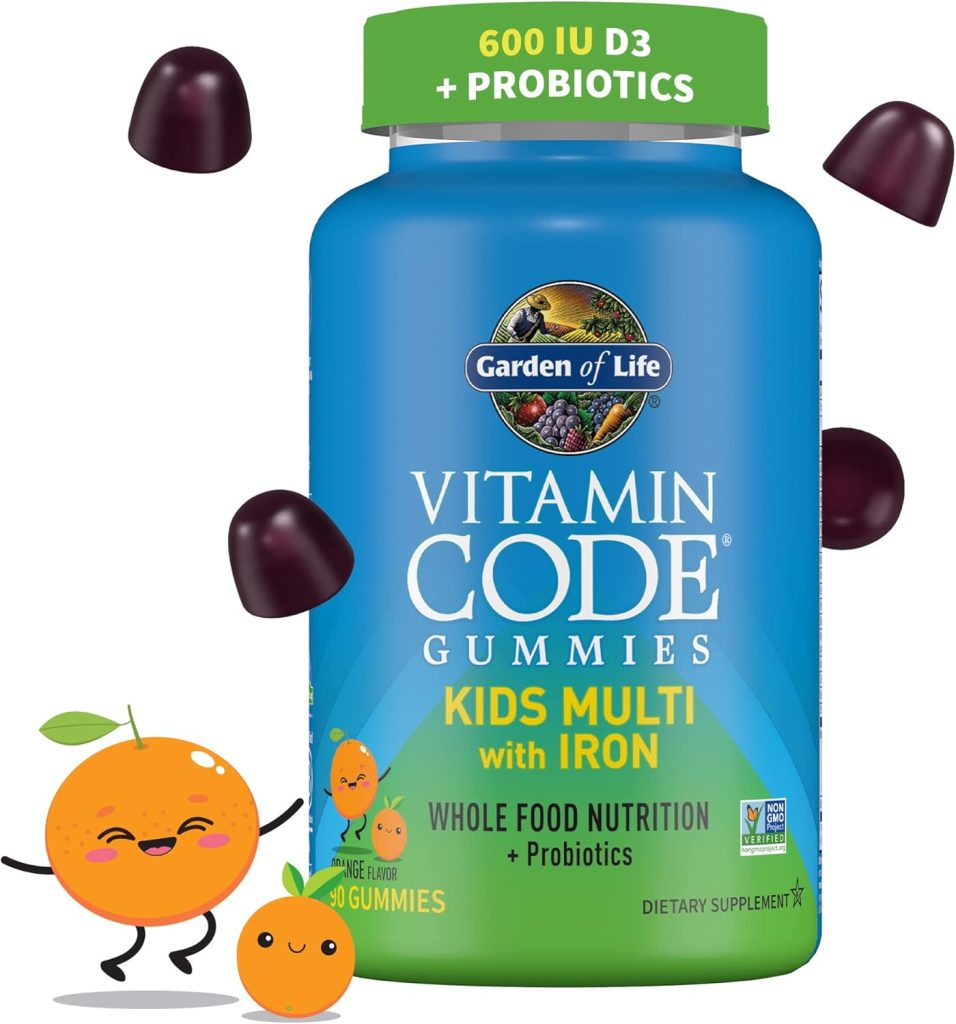
Key Features
- Fermented vitamins and minerals for enhanced bioavailability
- Clinically studied probiotic strain (Bacillus coagulans) for gut support
- Non‑GMO, gluten‑free, no synthetic colors or flavors
Why It’s Our Top Choice for Autistic Kids
Gut health is often intertwined with behavioral and sensory issues in children with autism. The inclusion of a clinically studied probiotic helps balance gut flora, which may ease common GI discomfort and support nutrient absorption.
Fermented nutrients are easier on the digestive system, reducing the chance of stomach upset that can deter daily use. Families report that these gummies cause fewer tummy aches compared to traditional multis, leading to steadier intake.
The clean, plant‑based ingredients also align with elimination diets many ASD families follow, ensuring minimal risk of allergen or additive reactions.
Pros and Cons
- Pros:
- Digestive support from probiotics
- Fermented nutrient matrix for gentle absorption
- Clean, plant‑based formula
- Cons:
- Premium cost
- Lower iron content—may need supplemental iron if deficient
Dose
- 2 gummies daily for ages 4 and up
7. ANRC Essentials Plus Capsules
Key Features
- Clinically studied in a double-blind, placebo-controlled trial at Arizona State University
- Comprehensive blend of vitamins, minerals, and antioxidants
- Designed to support neurological and metabolic functions
Why It’s Our Top Choice for Autistic Kids
ANRC Essentials Plus stands out due to its foundation in rigorous scientific research. The formulation was developed based on extensive studies focusing on the nutritional needs of individuals with autism.
This supplement addresses common deficiencies observed in autistic children, such as B vitamins, magnesium, and zinc, which are crucial for cognitive and behavioral functions. Parents have reported improvements in areas like attention span, social engagement, and gastrointestinal comfort.
The inclusion of antioxidants also supports overall cellular health, which can be beneficial for children experiencing oxidative stress.
Pros and Cons
- Pros:
- Backed by clinical research
- Targets specific nutritional deficiencies common in autism
- Supports cognitive and metabolic health
- Cons:
- Requires multiple capsules per day
- May be challenging for children who have difficulty swallowing pills
Dose
- 6 capsules daily, preferably divided into two or three doses with meals
8. My Spectrum Heroes Multivitamin and Mineral Plus

Key Features
- Comprehensive blend of essential vitamins and minerals
- Includes bioactive compounds like Coenzyme Q10 and acetyl-L-carnitine
- Free from common allergens and artificial additives
Why It’s Our Top Choice for Autistic Kids
My Spectrum Heroes is specifically formulated to support the unique nutritional needs of children on the autism spectrum. The inclusion of bioactive compounds such as Coenzyme Q10 and acetyl-L-carnitine aids in mitochondrial function, which is vital for energy production and cognitive processes.
The supplement also contains methylated B vitamins, enhancing bioavailability for children who may have difficulties with nutrient absorption. Parents have noted improvements in focus, behavior, and overall vitality. Its allergen-free formulation ensures it’s suitable for children with dietary sensitivities.
Pros and Cons
- Pros:
- Tailored for children with autism
- Supports energy production and cognitive function
- Allergen-free and free from artificial additives
- Cons:
- Powder form may require mixing with food or drinks
- Taste may not be appealing to all children
Dose
- 1 scoop daily, mixed with food or beverage
Summary of Key Dosage Targets
Pediatric dosing often follows age brackets:
- Ages 1–3: 1 gummy/day
- Ages 4+: 2 gummies/day
Most gummy multis cap at 2 gummies daily, which aligns with RDAs for vitamins A–E, B‑complex, and key minerals. Use your child’s weight to adjust if needed, and always chart intake against the label’s % Daily Value for each nutrient.
For children aged 4–8 years, the RDAs span from 400 µg RAE of vitamin A down to 25 mg of vitamin C, with mineral needs like 130 mg magnesium and 1,000 mg calcium. ULs exist primarily for fat‑soluble vitamins and minerals prone to toxicity (e.g., vitamin A, D, and calcium). When selecting or assessing a multivitamin gummy, compare its per‑serving nutrient amounts against these RDAs (to ensure adequacy) and ULs (to avoid over‑supplementation).
| Nutrient | RDA (4–8 yrs) | UL (4–8 yrs) | Notes on Form & Absorption |
|---|---|---|---|
| Vitamin A (RAE) | 400 µg | 900 µg | Retinol Activity Equivalents; avoid > UL¹ (Wikipedia) |
| Vitamin C | 25 mg | 650 mg | Ascorbic acid form; water‑soluble, excess excreted² (NCBI) |
| Vitamin D | 15 µg (600 IU) | 100 µg (4,000 IU) | Cholecalciferol (D₃) preferred for uptake³ (Wikipedia) |
| Vitamin E | 7 mg (10 IU) | 200 mg | α‑Tocopherol form; fat‑soluble antioxidant³ (Wikipedia) |
| Vitamin K | 55 µg | Not established | Phylloquinone preferred; no UL set³ (Wikipedia) |
| Thiamin (B₁) | 0.6 mg | Not established | Coenzyme form (TPP) enhances activity³ (Wikipedia) |
| Riboflavin (B₂) | 0.6 mg | Not established | FAD/FM N–form needed for oxidation³ (Wikipedia) |
| Niacin (B₃) | 6 mg | 30 mg | Nicotinamide form avoids flushing³ (Wikipedia) |
| Vitamin B₆ | 0.5 mg | 30 mg | Pyridoxal‑5′‑phosphate for best absorption³ (Wikipedia) |
| Folate (B₉) | 200 µg DFE | 300 µg DFE | Methylfolate form bypasses MTHFR issues³ (Wikipedia) |
| Vitamin B₁₂ | 1.2 µg | Not established | Methylcobalamin preferred³ (Wikipedia) |
| Biotin (B₇) | 12 µg | Not established | Acts as coenzyme in carboxylation³ (Wikipedia) |
| Pantothenic Acid(B₅) | 3 mg | Not established | As coenzyme A precursor³ (Wikipedia) |
| Calcium | 1,000 mg | 2,500 mg | Calcium citrate/malate for better uptake⁴ (Office of Dietary Supplements) |
| Magnesium | 130 mg | 65 mg⁺ | Citrate/glycinate forms absorb best⁵ (Office of Dietary Supplements) |
| Zinc | 5 mg | 12 mg | Zinc picolinate or citrate favored⁶ (Office of Dietary Supplements) |
⁺UL for magnesium applies only from supplements (there is no UL for food sources) and is 65 mg/day for ages 4–8 ⁉ (Office of Dietary Supplements)
How to Use These Numbers
- Check the Label %DV:
- A gummy listing 200 µg vitamin A supplies 50% of the RDA (200/400).
- Aim for 70–120% of RDA per daily dose for most nutrients—higher only when clinical need is established.
- Watch for Upper Limits:
- Fat‑soluble vitamins (A, D, E) and minerals like calcium have ULs to prevent overdose.
- Don’t exceed 100% UL across all supplements and fortified foods.
- Adjust for Individual Needs:
- For picky eaters with severe gaps, select products on the upper end of RDA (e.g., 100% RDA of vitamin D).
- If GI issues hamper absorption, choose supplements with bioactive/co‑enzyme forms (e.g., methylfolate, pyridoxal‑5′‑phosphate).
- Combine Feeding Strategies:
- Use mealtime tactics (routine, play, pairing) to boost whole‑food intake.
- Fill only remaining gaps with gummies—never replace balanced meals entirely.
By aligning a multivitamin’s per‑serving nutrient amounts to these age‑specific RDAs and ULs—and preferring bioavailable forms—you ensure both safety and efficacy in supporting an autistic child’s unique nutritional needs.
Citations
- US RDAs for vitamin A, children ages 4–8 (Wikipedia)
- NIH ODS Vitamin C fact sheet (RDA/UL) (NCBI)
- Dietary Reference Intakes for vitamins A–K, B‑complex (Wikipedia)
- NIH ODS Calcium fact sheet (DV/RDA) (Office of Dietary Supplements)
- NIH ODS Magnesium fact sheet (RDA/UL) (Office of Dietary Supplements)
- NIH ODS Zinc fact sheet (average intakes, EAR) (Office of Dietary Supplements)
Last Words
Supplementing with a thoughtfully chosen multivitamin can play a key role in supporting the health and development of children on the autism spectrum by filling dietary gaps and delivering targeted nutrients crucial for immune function, cognitive health, and overall well‑being.
Expert consensus agrees that most neurotypical kids eating a varied diet don’t need extra vitamins, but children with ASD often face restrictive eating patterns that put them at higher risk for deficiencies in vitamins A, C, D, B‑complex, zinc and omega‑3 fatty acids¹⁰⁻¹¹.
When paired with dietary adjustments and under pediatric supervision, the right gummy multivitamin can lead to noticeable gains in energy levels, focus and even GI comfort, thanks to added probiotics or fermented nutrient matrices¹³⁻¹⁵.
Throughout our reviews, we’ve highlighted products that balance palatable textures and flavors with clinically meaningful dosages, ensuring sensory‑sensitive kids actually take them every day.
8 FAQs
1. Are multivitamins safe for autistic children?
Yes. When dosed appropriately—usually 1–2 gummies per day depending on age—high‑quality children’s multis are generally safe and well‑tolerated in kids with ASD¹⁴⁻¹⁵. Look for third‑party tested brands to minimize risk of contaminants.
2. How do I choose the right multivitamin?
Start by reviewing your child’s diet for gaps (e.g., low dairy = vitamin D; limited fruits/veggies = vitamin A and C) and match a product that covers those at 100% DV per serving¹³. Check labels for added omega‑3s or probiotics if GI issues are present.
3. Can a multivitamin replace healthy eating?
No. Whole foods remain the best source of nutrients. A gummy multi is meant to supplement—not substitute—a balanced diet rich in fruits, vegetables, proteins and healthy fats¹⁹.
4. What signs indicate a nutrient deficiency?
Common red flags include frequent infections (vitamin C, zinc), fatigue or low stamina (B‑complex), poor bone growth (vitamin D), and dry skin or hair (biotin, vitamin E)⁹⁻¹⁰. Lab testing can confirm specific shortfalls.
5. When should I consult my pediatrician?
Before starting any supplement regimen—especially if your child takes medications or has medical conditions—consult a doctor to set age‑appropriate doses and avoid exceeding upper intake levels¹²⁻¹³.
6. How long before we see benefits?
Some parents report improved energy and mood within 2–4 weeks; GI and immune gains may appear after 6–8 weeks of consistent use¹⁻². Individual results vary based on baseline nutrition and supplement quality.
7. Are sugar‑free multivitamins better?
Sugar‑free options reduce dental concerns, but most gummy multis contain 2–4 g sugar per serving, which can be managed with good oral hygiene. Choose pectin‑based or organic‑sweetened formulas if you prefer lower sugar⁸.
8. Can over‑supplementation be harmful?
Yes. Fat‑soluble vitamins (A, D, E, K) accumulate in the body, and exceeding tolerable upper intake levels can cause toxicity. Always adhere to label dosing and pediatric guidance to stay within safe limits³⁻¹⁰.
References:
- Vitamin Deficiencies in Autism Spectrum Disorders
A comprehensive overview highlighting common vitamin deficiencies among individuals with autism, including vitamins D, B12, B9, A, zinc, magnesium, and calcium.
Read more - Multivitamin Use and Health Effects
An analysis of the safety and health effects of multivitamin intake, emphasizing the need for appropriate dosages tailored to specific populations.
Read more - Dietary Reference Intakes (DRIs)
Provides current recommendations for vitamin and mineral intake in the United States and Canada, essential for determining appropriate dosages for children.
Read more - Best Vitamins for Kids According to Dietitians
A curated list of top multivitamins for children, considering factors like nutrient balance, quality, and dietary restrictions.
Read more - 11 Important Components of Kids’ Nutrition
Highlights essential nutrients necessary for children’s growth and development, including protein, carbohydrates, healthy fats, and key vitamins and minerals.
Read more - Boy Left Blind Due to Nutrient Deficiencies
A case study illustrating the severe consequences of nutrient deficiencies in a child with autism, emphasizing the importance of balanced nutrition.
Read more - Verywell Family’s Dietary Supplement Methodology
Outlines the rigorous process used to evaluate and recommend dietary supplements, ensuring safety and efficacy.
Read more - Are You Getting Enough Vitamin D, B12, and Magnesium?
Discusses the importance of these nutrients for overall health and the risks associated with deficiencies.
Read more - Maternal Multivitamin Supplementation and Autism Risk
A systematic review and meta-analysis examining the relationship between maternal multivitamin use and the risk of autism spectrum disorder in children.
Read more - Prenatal Vitamins and Offspring Autism Spectrum Disorder Risk
Another systematic review and meta-analysis exploring the association between prenatal vitamin intake and the risk of autism in offspring.
Read more