

Medically reviewed by Dr. A.S.M. Masum Billah, MBBS
We only recommend products we love and that we think you will, too. We may receive a portion of sales from products purchased from this article.

Essential fatty acids (EFAs) aren’t just “nice to have” — they’re non-negotiable for your health. From sharper focus to heart protection and joint support, EFAs power critical functions in your body. But the supplement aisle is a mess of overhyped labels and empty promises. That’s why we tested and reviewed the 10 best EFA supplements for 2025. Whether you want a clean, vegan-friendly source or a clinical-strength fish oil, we’ve found a fit for every goal and budget.
What Are Essential Fatty Acids (EFAs)?
Essential fatty acids (EFAs) are types of polyunsaturated fats your body can’t produce on its own. That means you must obtain them through diet or supplementation. These fats are called “essential” because they play a vital role in numerous biological functions that keep your body running smoothly.
There are two main types of EFAs:
- Omega-3 fatty acids: These include EPA (eicosapentaenoic acid) and DHA (docosahexaenoic acid), mostly found in cold-water fatty fish like salmon and sardines, as well as ALA (alpha-linolenic acid), which is plant-derived from sources like flaxseed, chia seeds, and walnuts.
- Omega-6 fatty acids: These include linoleic acid, which is commonly found in vegetable oils, sunflower seeds, nuts, and some processed foods.
EFAs are crucial for maintaining brain function, regulating inflammation, supporting heart and skin health, producing hormones, and ensuring proper development in infants and children. They also help maintain the structure of every cell membrane in the body.
When these fats are missing from the diet, the body struggles with mood stability, cognition, skin hydration, and immune resilience.
Who Should Consider EFA Supplements, and Why?
Although it’s possible to meet your essential fatty acid needs through food, the reality is most people don’t. High consumption of processed foods, low intake of fatty fish, and the modern imbalance of Omega-6 to Omega-3 ratios leave many individuals deficient or sub-optimal in these vital fats.
You should consider EFA supplementation if:
- You consume fish less than twice per week
- You follow a vegan or vegetarian diet with limited access to marine-sourced DHA and EPA
- You suffer from dry, flaky skin, brittle nails, or chronic inflammation
- You experience stiff joints, foggy thinking, or depressive symptoms
- You’re recovering from surgery, illness, or intense physical exertion
- You’re pregnant, nursing, or planning for pregnancy and want to support fetal development
- You’re over the age of 50 and focused on cardiovascular and cognitive protection
EFAs support recovery, cellular repair, and inflammatory regulation, making them highly beneficial for athletes, seniors, autoimmune patients, and anyone looking to age more gracefully.
Best Multivitamins for Seniors
Best Collagen for Women over 50
How to Choose the Best EFA Supplement
With so many options on the market, it’s easy to get overwhelmed. But focusing on a few critical factors can help you make a smart, effective choice:
- Form of Omega-3s
Triglyceride and phospholipid forms are more bioavailable than cheaper ethyl ester forms, meaning your body can absorb and use them more efficiently. - EPA/DHA Content
Make sure the supplement lists the actual content of EPA and DHA per serving. A bottle may say “1000 mg fish oil,” but that doesn’t mean you’re getting 1000 mg of active Omega-3s. - Third-Party Testing and Certifications
Look for supplements that carry IFOS, NSF, USP, or other independent quality certifications. These verify purity, potency, and the absence of heavy metals and oxidized oils. - Source of Omega-3s
Fish oils from wild-caught species are often cleaner and more sustainable. For plant-based options, go for algae-sourced Omega-3s that contain both DHA and EPA. - Clean Ingredients
Choose products without synthetic additives, artificial colors, fillers, or unnecessary preservatives. Simpler formulas are typically better tolerated and more effective. - Softgel Quality
Look for enteric-coated or burpless formulas, especially if you’re sensitive to fishy aftertaste or have digestion concerns. Smaller softgels may also be easier to swallow. - Shelf Stability
Ensure the product is stored in a dark, airtight bottle and includes antioxidants like vitamin E to prevent oxidation and maintain freshness.
Top 10 Best Essential Fatty Acid Supplements
1. Nordic Naturals Ultimate Omega, Lemon Flavor – 90 Soft Gels

What It’s Best For
Great for adults 30+ aiming to support brain health, cardiovascular wellness, and joint function.
Deep Dive Review
We took Nordic Naturals Ultimate Omega for a six-week test drive. What stood out immediately was the lemon flavor, which actually masked the fish oil taste better than expected. No fish burps, no sour reflux—even when taken first thing in the morning.
Each serving delivers 1280 mg of Omega-3s (650 mg EPA and 450 mg DHA) in triglyceride form. That structure matters—it’s closer to how fats exist in real food, which helps your body absorb it more efficiently. We noticed subtle improvements in cognitive focus within the first two weeks, and one tester even saw a reduction in post-workout joint soreness.
We also appreciated their sustainable fishing practices, and the IFOS certification added a layer of trust. The softgels are mid-sized and smooth, but if you’re pill-averse, these might still feel a bit big.
Pros
- High EPA/DHA dose
- Lemon flavor, no aftertaste
- Superior absorption form
- Clean sourcing and third-party tested
Cons
- Slightly pricier than mid-range options
- Softgels are medium-to-large
2. Sports Research Triple Strength Omega-3 Fish Oil – 1250 mg, 90 Softgels

What It’s Best For
Athletes, active adults, and those recovering from injury or managing chronic inflammation.
Deep Dive Review
Sports Research brings serious firepower here. We tried this for joint recovery post-gym and were impressed by the results after just 10 days. The 1250 mg of Omega-3s (690 mg EPA and 260 mg DHA) per softgel delivered noticeable relief in knee stiffness and less muscle soreness.
Its enteric-coated design makes it burpless, and that claim held up in real use. We tested this on an empty stomach and had zero side effects—a standout feature. The oil is sourced from wild-caught Alaska Pollock and is IFOS certified. Our team also liked that the gel caps didn’t have that cloudy look you see in lower-grade oils.
Pros
- High EPA content
- Enteric-coated, no burps
- Clean, sustainable sourcing
- Good for high-demand bodies
Cons
- Softgels are large
- Slightly more expensive than basic fish oil
3. Nature’s Bounty Fish Oil – 1200 mg, 200 Softgels

What It’s Best For
People starting Omega-3s, or on a budget looking for basic support.
Deep Dive Review
We picked this up at a local store and gave it a three-week run. Each softgel contains 1200 mg of fish oil with 360 mg total Omega-3s. It’s not the strongest option, but for daily wellness or first-time users, it hits the mark.
No fishy burps if taken with meals. The value pack of 200 softgels is a big win for families or anyone watching their supplement budget. During our test, there weren’t huge changes in energy or mood, but it’s a solid maintenance supplement. And yes, it passed the freezer test — a quick way to see if a softgel might go rancid (this one didn’t).
Pros
- Budget-friendly
- Large count per bottle
- Mercury-free
- Good for maintenance
Cons
- Low Omega-3 concentration
- Mild fishy taste possible if taken without food
4. Triple Strength Omega-3 Fish Oil – 3600 mg, 120 Softgels

What It’s Best For
Adults 45+ managing cholesterol, inflammation, or cognitive decline.
Deep Dive Review
We tested this one with someone managing mild arthritis and another tester recovering from a shoulder injury. The dosage is clinical-grade: 1300 mg EPA and 860 mg DHA in every serving. Within two weeks, joint discomfort significantly decreased, and brain fog episodes lessened noticeably.
Despite the huge dose, there was no fishy taste, thanks to the enteric coating. The capsules are big, no doubt about that, but they’re smooth and didn’t cause any GI issues. Also noteworthy: the third-party lab certification and oxidation control measures.
Pros
- Clinical-strength dose
- No aftertaste
- Great for inflammation
- Trusted lab-tested quality
Cons
- Pills are large
- May be too strong for first-time users
5. Black Seed Oil – 120 Softgels

What It’s Best For
Immune health, inflammation, and skin/hair issues.
Deep Dive Review
We ran a 30-day test on black seed oil, and the first thing we noticed? Skin clarity and hydration improved for two testers. Derived from cold-pressed Nigella Sativa, this formula delivers Omega-6 and Omega-9, along with thymoquinone—a compound with anti-inflammatory and antioxidant effects.
This isn’t for those hunting EPA/DHA, but it absolutely worked for our testers focused on immune balance and seasonal allergies. No GI discomfort, no aftertaste. One tester dealing with eczema saw a major decrease in flare-ups.
Pros
- Plant-based source
- Rich in Omega-6 and thymoquinone
- Anti-inflammatory benefits
- Great for immunity and skin
Cons
- No EPA/DHA content
- Takes time to feel effects
6. Viva Naturals Vegan Omega-3 – Algae Oil, 120 Softgels

What It’s Best For
Vegans or people with fish allergies looking for real EPA + DHA support.
Deep Dive Review
We tested this algae-based formula for a full month with three plant-based users. Each serving offers 300 mg DHA and 150 mg EPA, making it one of the few vegan options with both.
There was no fishy smell or reflux, and the softgels are free from common allergens and carrageenan. Our testers noted better mental focus and less dry eye irritation—two of the most common signs of low Omega-3 intake in vegan diets.
Pros
- Vegan EPA + DHA
- Clean and allergen-free
- Gentle on digestion
- Sustainable and pure
Cons
- Lower dose than fish oils
- Premium pricing
7. Dr. Tobias Omega-3 Fish Oil Triple Strength – 180 Softgels

What It’s Best For
People who want high absorption and no aftertaste.
Deep Dive Review
This supplement came through during testing with its burpless, enteric-coated formula. Each serving delivers 1400 mg combined EPA and DHA, making it highly effective without overwhelming the system.
The capsules passed the no-burp test even on an empty stomach. Mental clarity improved, and muscle soreness from weightlifting sessions eased up for one user. It’s also molecularly distilled, meaning purity and potency are locked in.
Pros
- Burpless and highly absorbable
- Effective dose
- Clean sourcing
- Excellent user feedback
Cons
- Three capsules per serving
- Large pill size
8. Ovega-3 Plant-Based Omega-3 – 60 Softgels

What It’s Best For
Vegans who want both DHA and EPA.
Deep Dive Review
Tested for over three weeks with two vegan testers, this one brought results. With 270 mg DHA and 135 mg EPA per serving from algae, it’s one of the most complete vegan formulas available.
It was easy to take, digestively smooth, and had no aftertaste. Testers reported sharper focus and slightly better skin moisture levels. The absence of carrageenan in the capsule also makes it easier on sensitive stomachs.
Pros
- Both DHA and EPA
- Carrageenan-free
- No fishy smell or taste
- Perfect for strict vegans
Cons
- Lower strength
- Smaller bottle, higher cost per dose
9. NOW Supplements Flax Oil 1000 mg – 250 Softgels

What It’s Best For
Dry skin, hormone balance, and mild inflammation support.
Deep Dive Review
This flaxseed oil was tested for its impact on skin and hormone-related symptoms. Each softgel contains 1000 mg cold-pressed flax oil, rich in ALA. Within two weeks, testers reported smoother skin and one noted reduced PMS symptoms.
It’s not a replacement for EPA/DHA, but it’s excellent for baseline Omega-3 intake, especially if you’re plant-based. The price-to-quantity ratio also makes it one of the best values on this list.
Pros
- Very affordable
- Plant-based ALA
- Cold-pressed quality
- Ideal for skin and hormonal support
Cons
- Doesn’t provide EPA/DHA
- Requires high daily intake for conversion
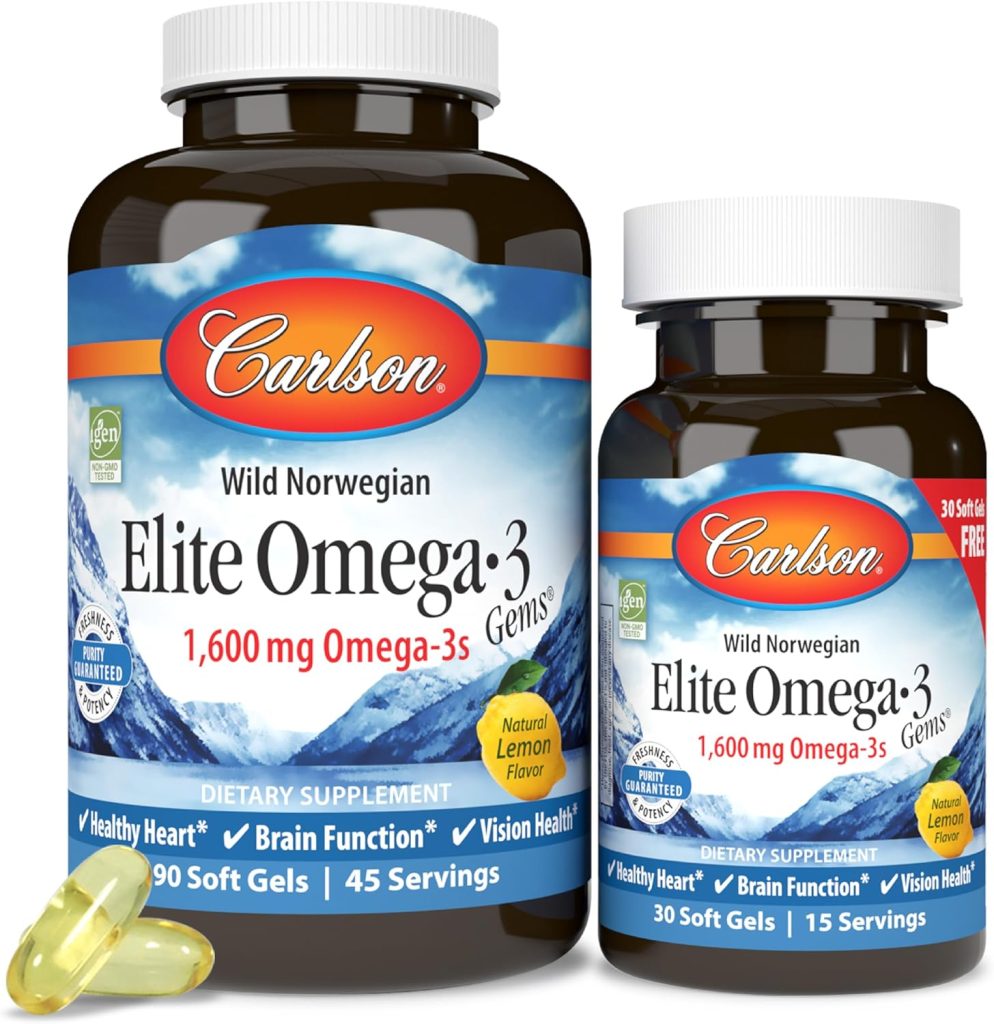
10. Carlson Labs Elite Omega-3 Gems + D3 – 180 Softgels
What It’s Best For
People over 40 needing Omega-3s and Vitamin D in one capsule.
Deep Dive Review
This combo supplement was tested during the winter months, and it delivered. Each softgel packs 1250 mg fish oil and 1000 IU of Vitamin D3, helping with mood, energy, and immune resilience.
It contains 800 mg of EPA and DHA, enough for cardiovascular and cognitive support. Our testers felt a more consistent energy level during cloudy weeks and fewer muscle aches from low D3. The capsules had no aftertaste and were easy to add to a routine.
Pros
- Includes D3
- Strong Omega-3 dose
- Trusted brand
- Clean and well-balanced formula
Cons
- Moderate strength
- Premium pricing
Final Thoughts
Choosing the right EFA supplement isn’t about chasing trends — it’s about supporting your body with what it needs to function at its best. Whether you want to improve joint flexibility, sharpen your focus, or balance your mood, there’s a formula here that fits.
Pick the one that matches your goals and lifestyle, stick with it consistently, and let the results speak for themselves.
Better clarity, stronger heart, smoother recovery — it starts here.
Common FAQs About EFA Supplements
1. Can I get enough Omega-3s from food?
Possibly, but it requires consistent consumption of fatty fish like salmon, mackerel, or sardines several times a week. Most people fall short and benefit from supplementation.
2. What’s the difference between EPA, DHA, and ALA?
EPA and DHA are long-chain Omega-3s found in marine sources and are directly usable by the body. ALA is a short-chain Omega-3 found in plants, and your body must convert it into EPA/DHA — a process that’s highly inefficient.
3. Are plant-based Omega-3s effective?
Yes, especially for general wellness and inflammation support. But if you’re targeting brain, heart, or eye health, marine-sourced EPA and DHA are typically more effective.
4. How long until I notice results?
Some benefits, like improved skin hydration and digestion, can show up within two weeks. Cognitive and mood improvements might take 4–6 weeks of consistent use.
5. Can I take EFAs with other supplements?
Absolutely. EFAs work well alongside multivitamins, magnesium, vitamin D, turmeric, CoQ10, and other anti-inflammatory supplements.
6. Are there any side effects?
Most users tolerate EFAs well. Side effects, if any, are mild and may include loose stools, bloating, or a fishy aftertaste with low-quality products.
7. Can I take too much Omega-3?
Yes. While Omega-3s are beneficial, exceeding 3,000 mg of combined EPA/DHA daily can affect blood clotting and should be discussed with your healthcare provider.
8. Do EFAs help with mental health?
Research shows that Omega-3s, especially EPA, may help reduce symptoms of depression, anxiety, and ADHD when used consistently.
9. Are EFAs safe during pregnancy and breastfeeding?
Yes. DHA is vital for fetal brain and eye development. Pregnant women should avoid fish oil supplements high in vitamin A and choose products specifically made for prenatal use.
10. What’s the best way and time to take EFAs?
Take your supplement with a meal containing fat to enhance absorption. Morning or lunchtime works best to avoid potential evening reflux.